
Broker Reviews
Find independent, trusted reviews and choose your perfect broker.

Latest Videos
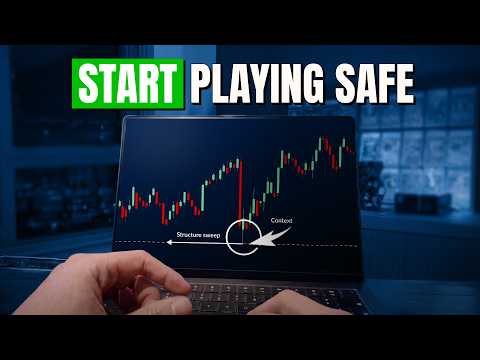
Give me 20 minutes, and I will change how you see trading forever

The Unthinkable Is About to Happen After the USA Midterm Elections

If You Master Failed Breakouts, You Will Master Trading

Don't Use RSI Until You Watch This Video
Give me 20 minutes, and I will change how you see trading forever
The Unthinkable Is About to Happen After the USA Midterm Elections
If You Master Failed Breakouts, You Will Master Trading
Don't Use RSI Until You Watch This Video
More News

In-Depth Analysis

The USD faces a decisive period ahead of the November 3 midterm elections. While markets anticipate another interest rate increase from the Fed in December, the battle for control of Congress could reshape fiscal policy expectations and, indirectly, the path of US monetary policy in 2027.
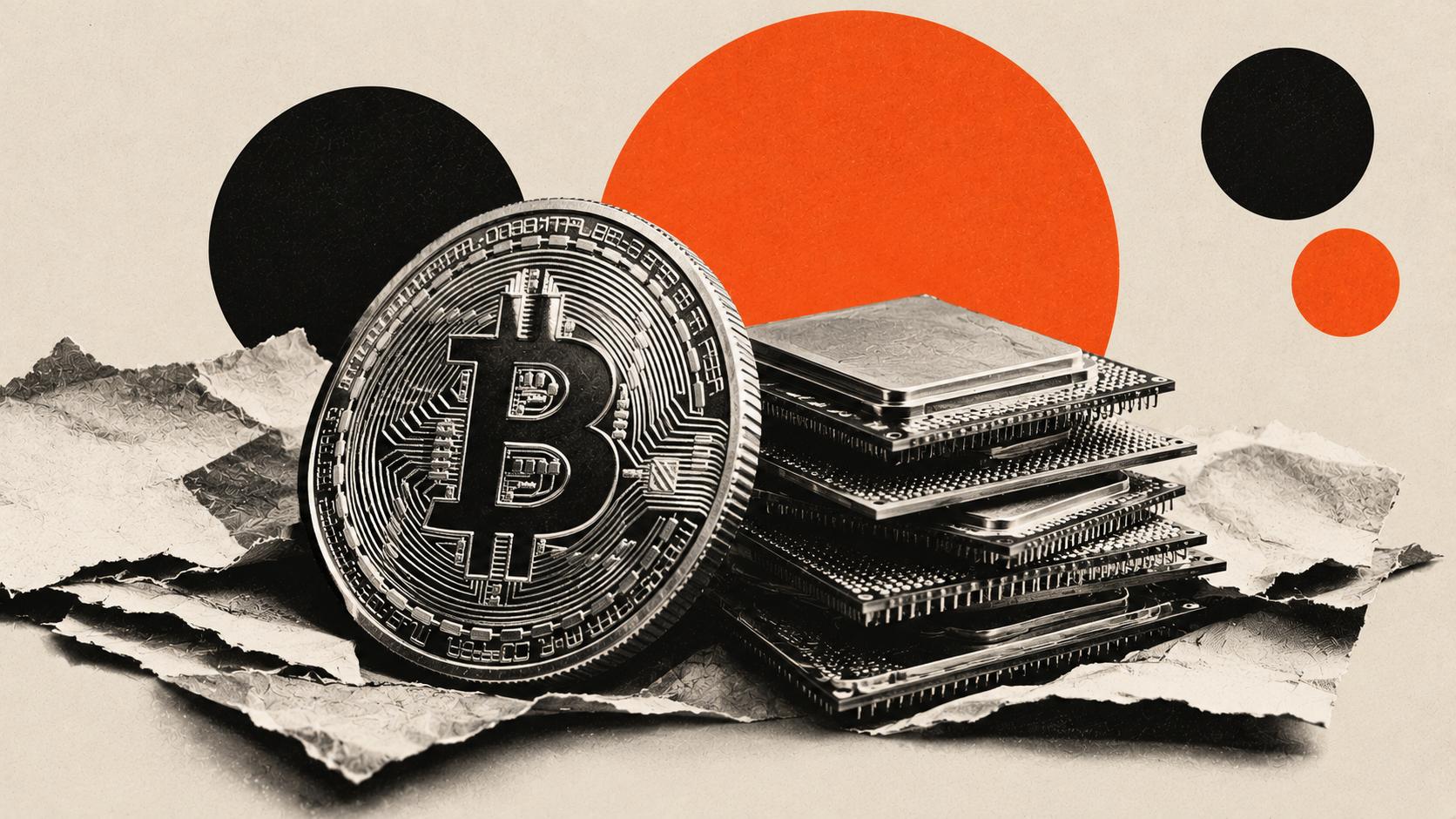
The threat that Artificial Intelligence (AI) and quantum computing pose to Bitcoin (BTC) and cryptocurrencies in general is no longer a matter of if hardware will catch up; it is a matter of when.
Cryptocurrencies

Hyperliquid has named Payward, the parent company of crypto exchange Kraken, as its intended first Commodity Futures Trading Commission-regulated deployer on HIP-3 markets. In an X post on Monday, Hyperliquid stated that Payward plans to use its infrastructure to deploy perpetual futures markets for US customers. The proposed arrangement remains subject to regulatory approval.

Pi Network holds steady above $0.0760 stalling after a roughly 2% rebound the previous day. The broader market's weak sentiment and reduced trading volume weigh on the PI token. The technical outlook is bearish, with price capped below a long-term resistance trendline and weak momentum.

Ripple and Stellar continue to remain under pressure, trading below $1.30 and $0.169 respectively, after a mild recovery the previous day. Both XRP and XLM remain below their key Exponential Moving Averages, indicating bearish price action. Moreover, mixed derivatives metrics and cautious on-chain data are capping sustained recovery in XRP and XLM.
Smart insights by real people. Every day.
Stay ahead with key market trends from Orange Juice Newsletter.
Broker Reviews
Find independent, trusted reviews and choose your perfect broker.
Stocks

Weekly Forecast


The United States midterm elections, scheduled for November 3, could trigger a major repricing of the US Dollar, Treasury yields, and Gold, but the outcome is not predetermined.

Bitcoin remains under pressure, trading around $81,800 on Friday, recording modest losses so far this week. Despite a mild pullback, institutional demand showed signs of a comeback with spot Exchange Traded Funds recording $442.67 million in net inflows through Thursday.


![You’re watching pre-market levels wrong [Video]](https://editorial.fxsstatic.com/images/i/Fear-2.png)











