AUD/USD trades sideways above 0.6700 ahead of US data
- AUD/USD stays in a tight range above 0.6700 despite multiple tailwinds.
- A hawkish guidance from RBA Bullock on interest rates fails to uplift the Australian Dollar (AUD).
- Weak US JOLTS Job Openings data weighs heavily on the US Dollar.

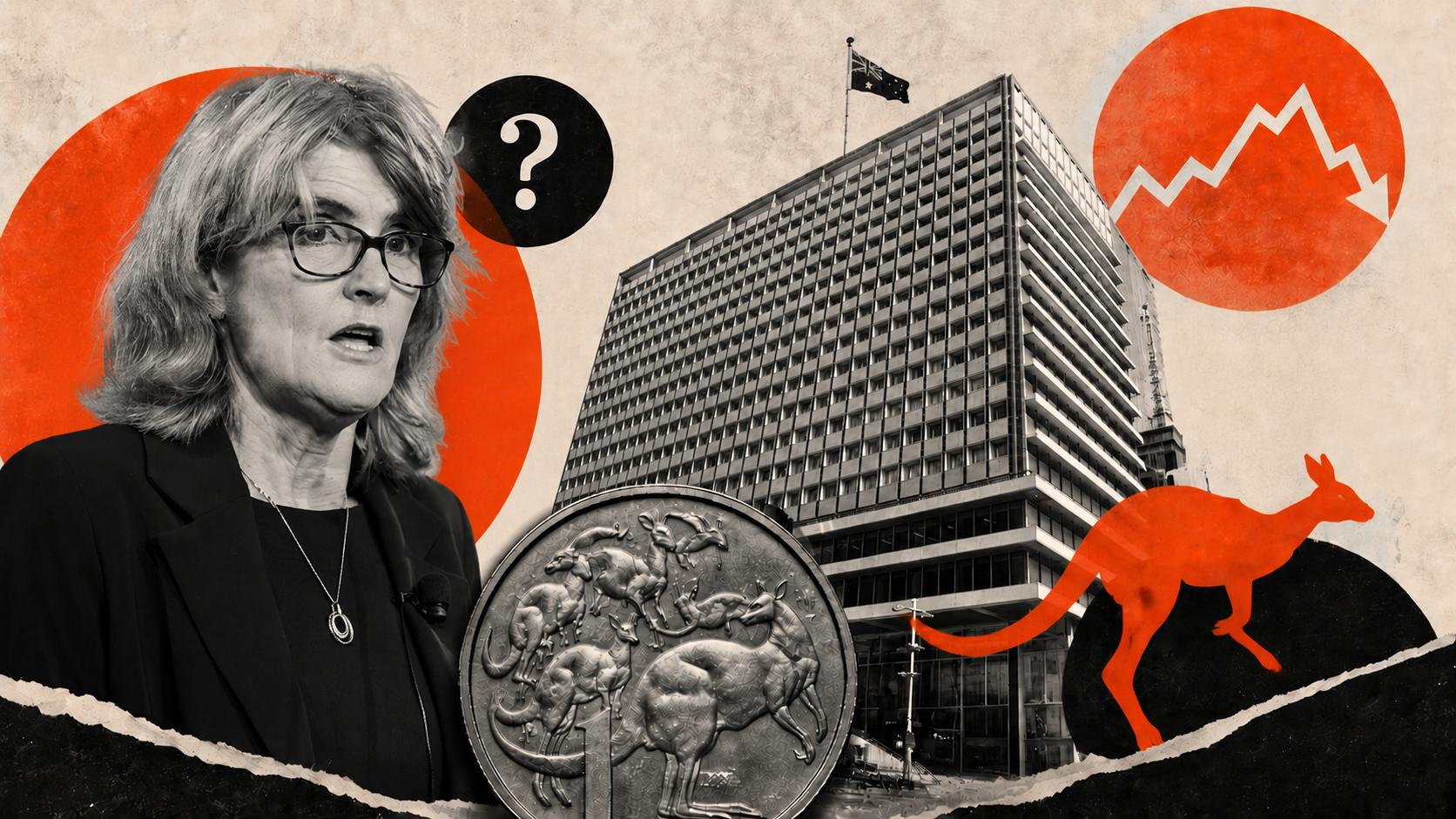
The AUD/USD pair trades in a tight range above the round-level support of 0.6700 in Thursday’s European session. The Aussie asset fails to find bids despite weakness in the US Dollar (USD) and Reserve Bank of Australia (RBA) Governor Michele Bullock’s hawkish guidance on interest rates.
The US Dollar Index (DXY), which tracks the Greenback’s value against six major currencies, extends its downside below 101.20. The US Dollar faced selling pressure after the release of weak United States (US) JOLTS Job Openings data for July, which raised red flags to labor market conditions.
Michele Bullock said in his speech at the Anika Foundation in Thursday’s Asian session, "If the economy evolves broadly as anticipated, the board does not expect that it will be in a position to cut rates in the near term.” Her comments strengthened market speculation that the RBA will unlikely cut interest rates this year.
The Aussie asset consolidates as investors look for fresh cues about how much the Federal Reserve (Fed) will cut interest rates in its September meeting.
The Fed is widely anticipated to start reducing interest rates this month as downside risks to the United States (US) labor market have increased and the progress in the disinflation process towards bank’s target of 2% remains intact. For meaningful cues about the likely interest rate cut size, investors await the US Nonfarm Payrolls (NFP) data for August, which will be published on Friday.
In today’s session, investors will focus the US ADP Employment Change and ISM Services PMI for August. Economists estimate that payrolls in the private sector rose by 145K from 122K in July. In the same period, activities in the service sector, which accounts for two-thirds of the economy, are expected to have expanded at a slower pace to 51.1 from the former reading of 51.4.
Author

Sagar Dua
FXStreet
Sagar Dua is associated with the financial markets from his college days. Along with pursuing post-graduation in Commerce in 2014, he started his markets training with chart analysis.