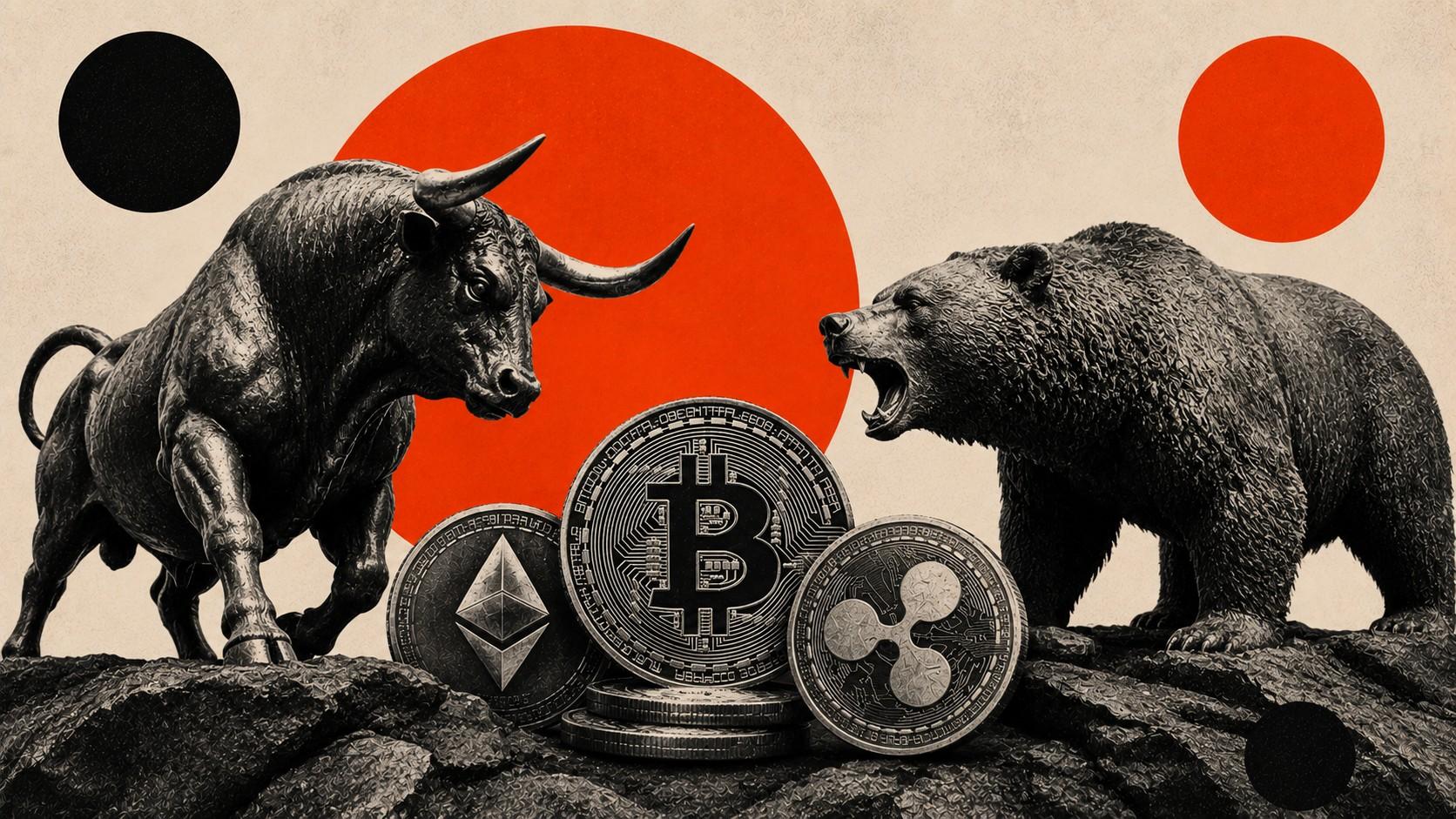
Elon Musk is long ETH as Ethereum grows beyond DeFi to power the next decentralized Twitter
- Ethereum plans to innovate beyond DeFi with potential base layer for decentralized social media.
- Elon Musk confirmed to own ETH during a discussion with Jack Dorsey and Cathie Wood.
- Evolving possibilities of DeFi to attract more attention from regulators could lead to financial instability.

Founder Vitalik Buterin is considering decentralization and building applications that go beyond DeFi using Ethereum. The smart contracts leader prepares to move on from DeFi to create value and utility rather than driving profits for creators.
Ethereum to focus on applications outside of DeFi
Ethereum’s creator, Vitalik Buterin, has plans to shift the altcoin’s focus from profit-centric applications to projects that impact society. One such move is creating decentralized social media applications like Twitter and Facebook on the Ethereum Network.
Buterin referenced a tweet by Stani Kulechov, the founder and CEO of open-source DeFi protocol Aave.
Since @jack is going to build Aave on Bitcoin, Aave should build Twitter on Ethereum
— stani.eth =(⬤_⬤)= (@StaniKulechov) July 17, 2021
Kulechov’s plan to bring decentralized Twitter to Ethereum may not be entirely set in stone, but the involvement of team members suggests that the groundwork is on. Building social media on the Ethereum network is a project that Buterin cares about since the list of problems plaguing centralized social media is a long one.
From arbitrary censorship and manipulation to social engagement favored by centralized providers and misaligned with quality, there are numerous concerns with existing social media. Spreading misinformation and promoting content through multiple accounts or spam is common on centralized social media.
The Ethereum founder emphasized that the Ethereum community needs to work on issues that plague centralized services and create viable options to combat them. In his talk at ETH cc Paris, the largest and most talked-about annual Ethereum non-profit event in Europe, he argued that using Ethereum as a decentralized login service could give users more control of their identities. Buterin proposed that social recovery wallets could be used to recover lost or stolen addresses as an alternative to the centralized process for recovery.
Vitalik remarked,
Ethereum accounts that are social recovery wallets potentially can outcompete the centralized providers and the decentralized providers on both fronts. So you have both better self-sovereignty and better recovery.
Despite Buterin’s large vision for the Ethereum network, it currently hosts over 96% of DeFi. ETH powers the lending protocols, staking tokens, and liquidity mining projects of DeFi that are key to attracting more users to Ethereum. Recognizing this explosive growth, Buterin asserted the need to expand beyond it and reinvent social media.
Buterin warned of the financial instability that may arise from projects that build layer upon layer on the ETH network and stack profits “to infinity.” He remarked that there is a risk that this whole thing will collapse and potentially get a couple of regulators angry. At the same time, it will have a negative impact on the growth of the Ethereum network.
Elon Musk owns Ethereum, admits he is a fan of DeFi
Ethereum network’s growth through decentralized applications has garnered attention from analysts and investors in the past few years. In conversation with Twitter CEO Jack Dorsey and ARK Invest’s Cathie Wood at ‘The B word’ conference, Tesla CEO Elon Musk publicly stated that he owns Ethereum.
Musk confessed that he is a fan of decentralized finance and that it makes sense. Commenting on the price volatility that arises from his tweets, Musk said that he has something to gain by promoting Bitcoin since he is personally invested in Bitcoin, Ethereum, and Dogecoin. If the price of these cryptocurrencies goes down, he loses money. He added,
I might pump, but I don’t dump.
Author

Ekta Mourya
FXStreet
Ekta Mourya has extensive experience in fundamental and on-chain analysis, particularly focused on impact of macroeconomics and central bank policies on cryptocurrencies.