Theresa May gives the pound a temporary break, as euro faces key test
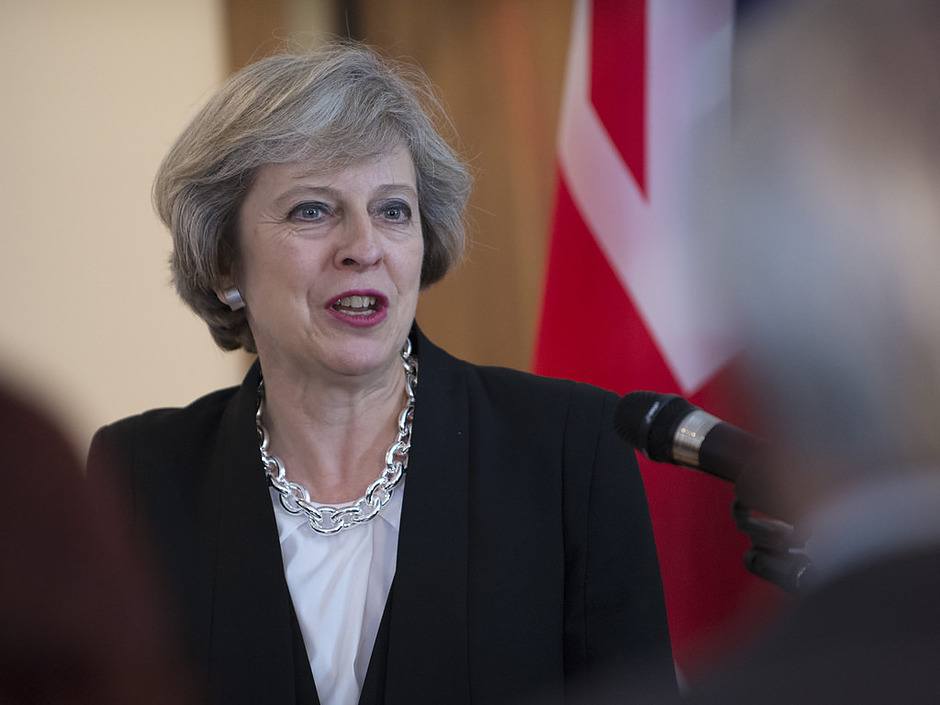

The pound initially popped higher at the market open last night, potentially on the back of newspaper comments that Theresa May will stay in place as leader until August 2019, once we have negotiated our exit from the EU. Although this story has been refuted, it may reduce the chance of her stepping down, or getting ousted, during the October Tory Party conference.
This is only likely to impact the pound in the short term, we continue to think that the outlook remains bleak for sterling, especially after EUR/GBP surged above 0.92 last week and the trade weighted pound also dropped to a fresh low. Even if May does stay on for another two years’, this is unlikely to sustain a pound bounce. Firstly, May's cabinet seem to do what they want anyway, and even if she does stay on as PM this makes her the lamest of lame duck leaders and she's unlikely to have a major grip on power or influence in the next two years. Secondly, the continuing challenges of the Brexit negotiations, a weakening economic outlook and the strength of the euro are all major challenges that stand in the way of a meaningful pound recovery.
Brexit “shambles” expectation limits sterling upside
Sterling hasn't had a strong reaction to "good" political news since June 2016, suggesting that the FX market is still expecting Brexit to be a shambles. However, a weak pound is good for the FTSE 100, so we could see some of last week's downward pressure on the FTSE 100 bluechips lift in the next few weeks if we continue to see GBP declines as we expect.
Overall, markets in the UK are likely to be quiet on this Bank Holiday Monday, however, Europe and the US are open today so it is worth looking to see if we continue to get a reaction to the comments from the Jackson Hole symposium at the end of last week which sent the euro surging. Will we get another leg higher in the single currency, or has the euro trend overshot and is due a breather?
Does Draghi even matter for the runaway euro?
This could be a pivotal week for the euro, it rallied more than 1% after Draghi spoke on Friday even though neither Yellen nor her counterpart at the ECB mentioned monetary policy and instead focused on financial regulation and the importance of free trade. You could argue that Draghi spurred the euro rally through his failure to mention current euro strength, but we think the move on Friday was largely down to positioning and the single currency may have rallied no matter what Draghi said.
European stocks set to suffer
All of this is bad news for European stocks, particularly the export heavy Dax, and we could see further moderation for European stocks at the start of this week. The latest positioning data found that money was moving out of European equities, which could be down to euro strength.
European stockholders’ may not get much comfort from the fact that the prospect of life above $1.20 in EURUSD is now very real, especially since the high on Friday was 1.1941, and it fell less than 20 pips at the close. This suggests the euro’s runaway trend could be here to stay. The one thing that could halt the euro in its tracks in the short-term at least is next week’s US data; this includes the July CPI data and NFPs at the end of the week. Overall, we think that CPI and wage data will likely be the biggest drivers of the dollar, although the market may take note if we get another 200k plus reading for headline NFPs. A strong set of data could trigger a dollar recovery, which had been looking like it would take shape even though it has stalled in the last two weeks’.
Is Yellen’s time up at the Fed, we think so…
While all eyes will be on whether or not the euro can continue with Friday’s rally and punch through $1.20, the other thing to consider is the impact Yellen’s speech could have on the next Fed governor. Her term expires in February 2018, and it is looking increasingly unlikely that she will be given a further term after she used the Jackson Hole symposium to disparage one of Trump’s key economic policies – the dismantling of financial market regulation. The President has not taken kindly to any criticism from his own staff members, who he seems keen to replace, thus one can assume he won’t have warmed to Janet Yellen after what she had to say last Friday. So, who could take over the helm at the Fed? Some had thought Gary Cohn, however, the President didn’t take kindly to a recent interview he gave to the FT critising the President’s response to Charlottesville. However, even though Cohn is not a trained economist he would be a good pick for Fed chair if Trump wants support to roll back on post-financial crisis regulation. At this stage the next Fed chief is still up for debate, although Yellen is looking like an increasingly unlikely choice. This is unlikely to be market moving at this stage, although Yellen’s fierce defence of financial market regulation may weigh on financial stocks at the start of this week.
Hurricane Harvey and the oil price
Oil will also be in focus after Hurricane Harvey closed approx. 25% of the output from the Gulf of Mexico. This hurricane has now been downgraded to a Tropical Storm, so we may see any upward pressure on the oil price short-lived. Oil jumped 0.9% on Friday, even though it was lower on the week overall.
Risky assets remain supported by low Vix as pound looks set to fall further
Elsewhere, recent correlation analysis suggests that the risky assets remain well correlated with the Vix index. The 2-month daily correlation between the Vix and USD/JPY is -0.6, with Amazon at -0.8 and with Netflix at -0.75. The Vix moderated further last week, which may be good news for these assets as well as other growth stocks in the tech and biotech sectors.
Author
Kathleen Brooks
XTB UK
Kathleen has nearly 15 years’ experience working with some of the leading retail trading and investment companies in the City of London.