S&P 500 Futures, US Treasury yields retreat as US President Biden’s SOTU bans Russian flights
- Market sentiment improves following US President Biden’s first SOTU.
- Biden confirms the earlier speculations of banning flights from Russia.
- S&P 500 Futures pare early-day gains, US 10-year Treasury yields ease as well.
- Fed Chair Powell’s testimony, US ADP Employment Change will be important but nothing more than geopolitical headlines.
Traders struggle to extend early Asia’s cautious optimism as US President Joe Biden delivers his first State of the Union (SOTU) speech on early Wednesday.
While portraying the mood, the US 10-year Treasury yields hold onto the early Asian session’s bullish consolidation around 1.76%, up five basis points (bps) at the latest. However, the S&P 500 Futures fades the initial mild gains by the press time, up 0.10% intraday around 4,310.
That said, US President Biden said, “The US will join its friends in banning Russian flights from using US airspace.”
Read: US President Biden’s SOTU: Announcing a ban on Russian flights from using US airspace
Market sentiment worsened the previous day as Russia refrains to accept Western push towards peace with Ukraine. The 40 mile long troops and bombings on the civilian buildings were some of the key negatives.
Before the SOTU, President Biden’s prepared remarks showed that the US leader will say on Tuesday that the West was ready for Russian President Vladimir Putin's invasion of Ukraine and his administration is prepared with a plan to fight inflation.
On the same line were comments from the International Monetary Fund (IMF) and World Bank (WB) officials, as well as US Treasury Secretary Janet Yellen.
The International Monetary Fund (IMF) and World Bank (WB) mentioned, “War in Ukraine creating significant spillover effects in other countries, commodity prices rising, risk driving further fueling inflation.” Further, Reuters mentioned that US Treasury Secretary Yellen denounces in strongest terms Russia's illegal, brutal invasion of Ukraine.
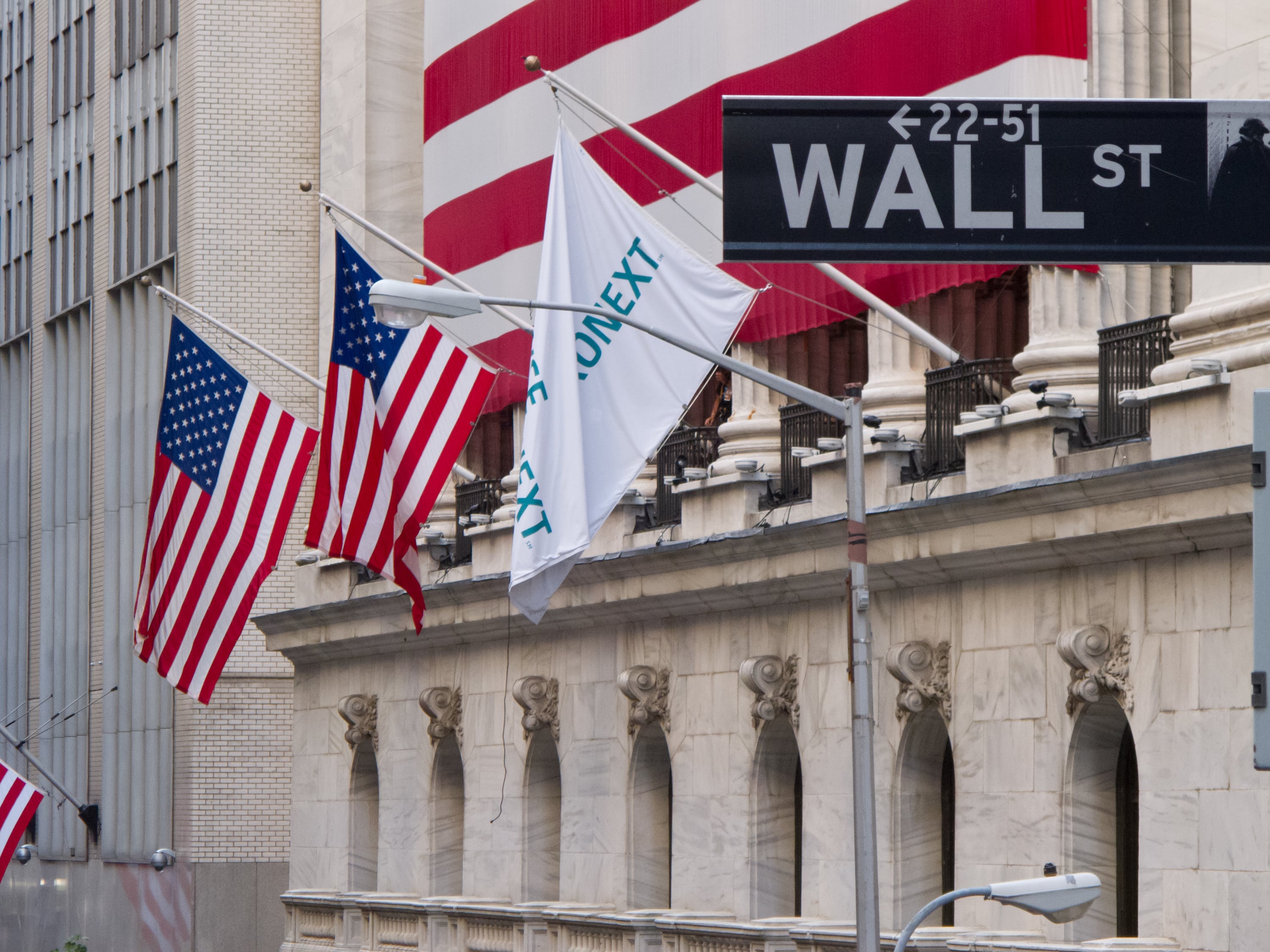
It’s worth noting that heavy fall in the US Treasury yields and upbeat US data, not to forget recently easing expectations of a 0.50% rate-hike by the US Federal Reserve (Fed) also weighed on the risk appetite the previous day. The same could be witnessed in the Wall Street benchmarks’ negative closings.
Having witnessed the initial reaction to US President Biden’s first SOTU, market players will return to the Ukraine-Russia headlines for fresh impulse. Also important will be Fed Chair Jerome Powell’s bi-annual testimony and the US ADP Employment Change for February.
Author

Anil Panchal
FXStreet
Anil Panchal has nearly 15 years of experience in tracking financial markets. With a keen interest in macroeconomics, Anil aptly tracks global news/updates and stays well-informed about the global financial moves and their implications.