XRP is the next Bitcoin if we solve a multi-trillion-dollar problem, Ripple CEO Brad Garlinghouse
- Brad Garlinghouse says XRP could be the next Bitcoin if “we solve a multi-trillion-dollar problem."
- The CEO says Ripple has been working with regulators and regulated institutions like banks all along where there is regulatory clarity.
- The allure of XRP, like XLM, is that countries use it for cross-border payments.
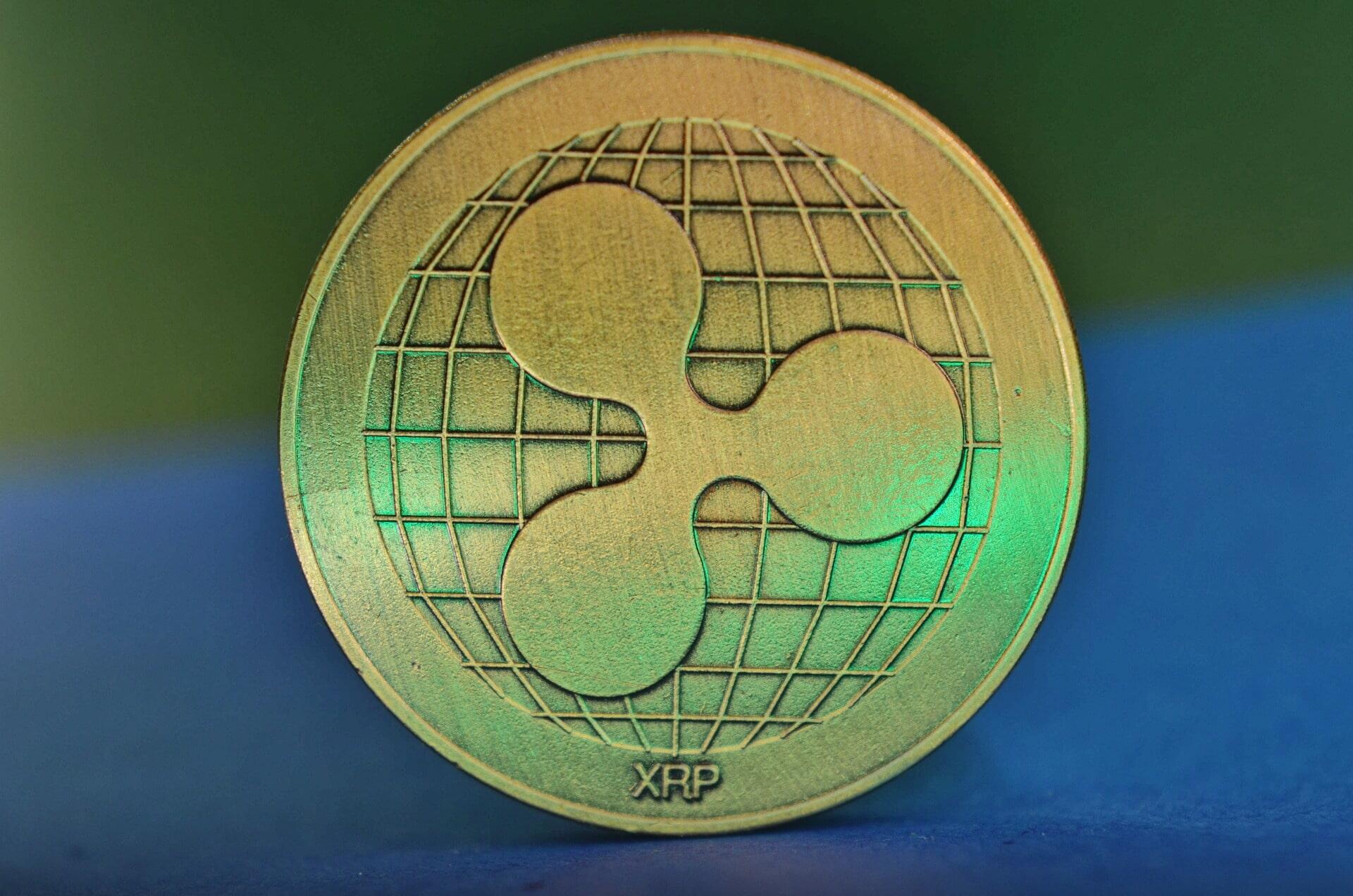
XRP is the next Bitcoin if we solve a multi-trillion-dollar problem, as Ripple CEO Brad Garlinghouse said during an interview with Bloomberg. The remittance token has been a popular topic since Ripple secured a victory in court against the US Securities and Exchange Commission (SEC) when Judge Annalisa Torres determined that XRP is a security only when sold to institutional clients. The ruling, though only partial, provided some level of clarity for the payments token.
Also Read: Ripple records landmark win against the SEC as court rules XRP is not a security except...
XRP may be the next Bitcoin
Ripple Labs CEO Brad Garlinghouse says XRP could be the next Bitcoin, as it has a strong competitive edge over its peers in the crypto sector. Specifically, he says, “From the get-go, Ripple has worked with regulators and regulated institutions like banks,” In his opinion, the digital asset’s exposure to a space where there is no regulatory uncertainty, such as the traditional finance sector (TradFi) is in itself a competitive advantage, increasing the chances of the token’s success long term.
BOOOOOOOOOOOOOOOOOM!!!#XRP IS THE NEXT BITCOIN! @bgarlinghouse pic.twitter.com/Mpn3rhlkFV
— JackTheRippler ©️ (@RippleXrpie) September 16, 2023
As such, Garlinghouse articulates that with XRP at the core of what Ripple wants to do, it is working to solve some of the original problems that Bitcoin (BTC) set out to solve, which is expected to map out the next generation of digital assets. It comes as RippleNet takes on the SWIFT messaging system in an innovative attempt to solve the nature of a payment taking days to settle instead of seconds.
The innovation currently boasts over 100 customers, according to Garlinghouse, “ranging from some of the biggest banks in the world to payment providers, to the Western Union and MoneyGram,” among others, with Garlinghouse noting that they are signing up more than a bank every week.
Decrease in cost, increase in speed
The allure of XRP, like XLM, is that countries use it for cross-border payments, unlike tokens used to manipulate the market. Garlinghouse notes that XRP is at the helm of digital asset maturity, providing real value to customers by solving real problems. More broadly, he says, “XRP is 1000X faster than Bitcoin, which means the volatility risk taken around XRP is only for three seconds.”
Also Read: BlackRock rumors of shifted focus from Bitcoin to XRP fail to deflate BTC Spot ETF flare.
Ripple FAQs
What is Ripple?
Ripple is a payments company that specializes in cross-border remittance. The company does this by leveraging blockchain technology. RippleNet is a network used for payments transfer created by Ripple Labs Inc. and is open to financial institutions worldwide. The company also leverages the XRP token.
What is XRP?
XRP is the native token of the decentralized blockchain XRPLedger. The token is used by Ripple Labs to facilitate transactions on the XRPLedger, helping financial institutions transfer value in a borderless manner. XRP therefore facilitates trustless and instant payments on the XRPLedger chain, helping financial firms save on the cost of transacting worldwide.
What is XRPL?
XRPLedger is based on a distributed ledger technology and the blockchain using XRP to power transactions. The ledger is different from other blockchains as it has a built-in inflammatory protocol that helps fight spam and distributed denial-of-service (DDOS) attacks. The XRPL is maintained by a peer-to-peer network known as the global XRP Ledger community.
What blockchain technology does XRP use?
XRP uses the interledger standard. This is a blockchain protocol that aids payments across different networks. For instance, XRP’s blockchain can connect the ledgers of two or more banks. This effectively removes intermediaries and the need for centralization in the system. XRP acts as the native token of the XRPLedger blockchain engineered by Jed McCaleb, Arthur Britto and David Schwartz.
Author

Lockridge Okoth
FXStreet
Lockridge is a believer in the transformative power of crypto and the blockchain industry.