NFT traders alert: Post Elon Musk takeover, Twitter quietly rolls out NFT trading feature
- Elon Musk’s takeover of Twitter has ushered in a new era of crypto and NFT integration on the social media platform.
- Twitter announced the beta test of NFT tweet tiles alongside Musk’s $41.39 billion takeover.
- Select users are testing the feature in tandem with Magic Eden, Rarible, Dapper Labs and Jump.trade marketplaces on different blockchain protocols.
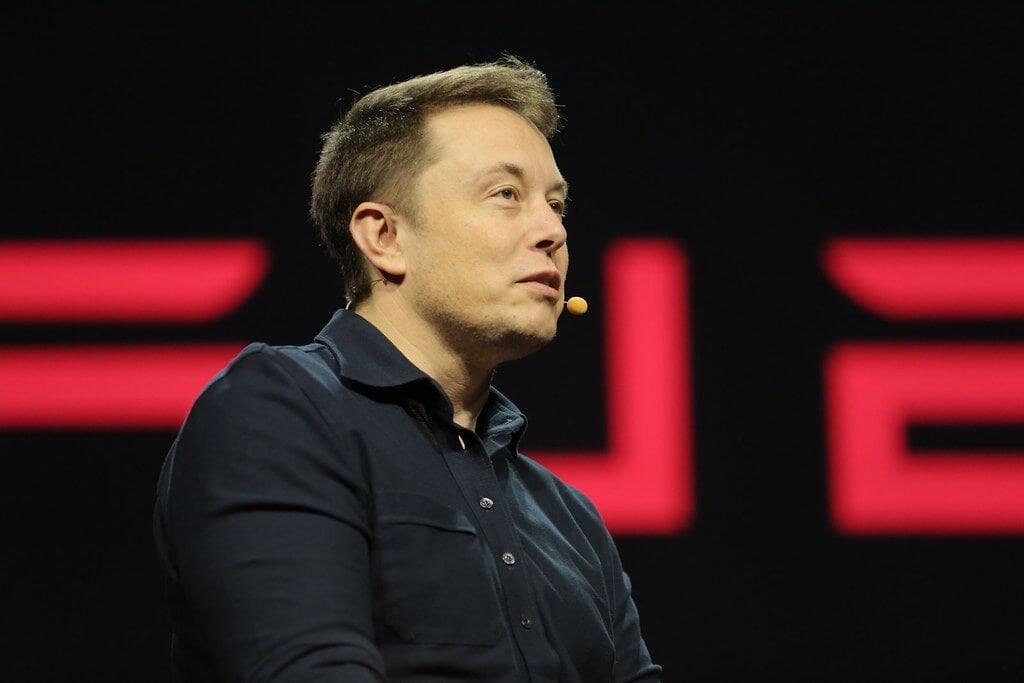
Elon Musk, the billionaire CEO of Tesla began his takeover of the social media giant and the platform started testing exciting new NFT features. Twitter rolled out NFT trading integration as a beta test for a select group of users.
Also read: Cardano price: Key ADA dynamics to watch out as Ethereum-killer climbs higher
Elon Musk’s Twitter now powers NFT trade through new rollout
Elon Musk completed his $41.39 billion acquisition of Twitter and the social media platform rolled out an NFT-trading feature. Twitter announced that it will let users buy, sell and display NFTs directly through tweets in partnership with four key marketplaces: Magic Eden, Rarible, Dapper Labs and Jump.trade.
The integration is called NFT Tweet Tiles and it displays the artwork of an NFT in a panel within a tweet. A button is included, through which users click through to the marketplace listing. Four specific marketplaces are integrated as partners for the beta test. Creator of the Flow blockchain, Sports-focused Jump.trade and top NFT marketplace platforms Rarible and Magic Eden are actively involved in testing the integration.
The marketplaces involved in Elon Musk’s Twitter rollout are hosted on several different blockchains like Ethereum, Solana, Flow, Polygon, Tezos and Immutable X. A Twitter representative told Decrypt that the “feature is currently being tested with select Twitter users across iOS and web.”
Users who are included in the test will see the NFT Tweet Tile integration and unlike popular belief, a premium subscription is not required to use the feature.
Twitter has supported crypto and NFTs since 2021, through the integration of Bitcoin and Ethereum for tipping content creators on the platform and support for verified NFT profile pictures. It is important to note that only Ethereum NFTs are supported as of now by the social media platform.
Author

Ekta Mourya
FXStreet
Ekta Mourya has extensive experience in fundamental and on-chain analysis, particularly focused on impact of macroeconomics and central bank policies on cryptocurrencies.