How Bitcoin interest is spiking to help buffer rapid African inflation

Overview
Africa is notorious for having some of the highest inflation rates in the world, with countries such as Venezuela and Zimbabwe leading the pack. With the Covid-19 pandemic, it is uncertain whether there will be super inflation or deflation in a post-Covid-19 world.
The majority opinion leans towards deflation due to high unemployment rates with weak demands while supply chains have shown some resilience in the hope that it will storm back to offer a lot of goods to tempt the weaker demand.
The wide acknowledgement is that the performance of an economy regarding per capita growth is attributed to the rate of inflation in a specific country. High inflation is detrimental to any economy, and persistently high inflation even more so.
Inflation not only erodes the value of money, but it also erodes the purchasing power that citizens have as prices increase drastically. When considering the pandemic world that we live in, where there is high unemployment, it spells trouble for a lot of economies.
How Bitcoin is helping to buffer inflation in Africa
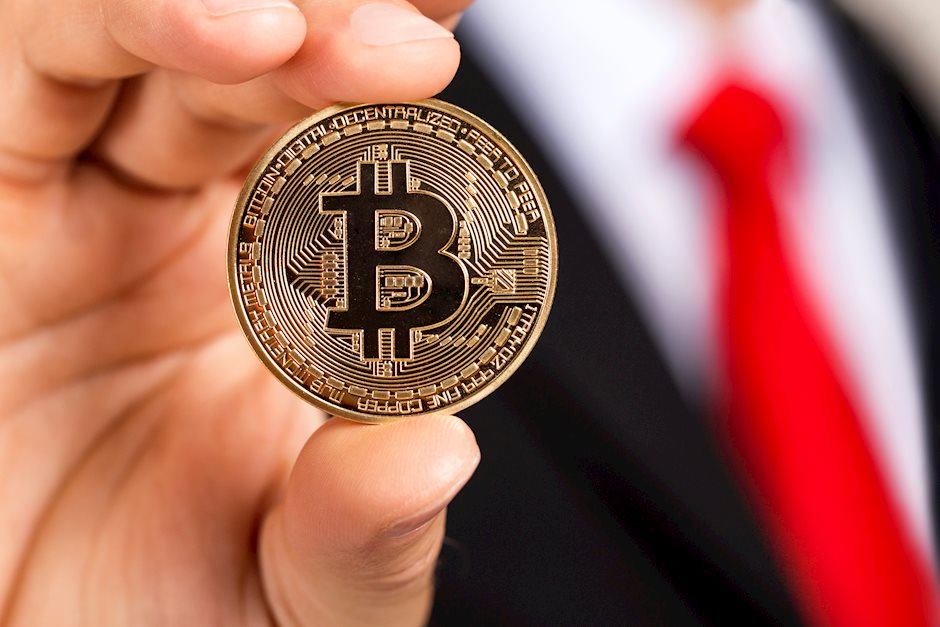
Bitcoin is a digital currency which is neither issued, manipulated, nor controlled by any central bank or authority. It lays under the amount of computing power which is used to mine blocks and which subsequently rewards miners in Bitcoin.
There are strong algorithms which control the generation of Bitcoin in addition to the maximum number of Bitcoins which can ever be generated.
This unique characteristic of Bitcoin takes away the mining, printing, and destruction power of governments and banks, and it places such power in the hands of people who are dedicated and willing to spend their time and energy in mining them.
This characteristic alone stands against the power of inflation. In addition, should Bitcoin be adopted as a primary currency around the globe, it may lead to substantial changes which may liberate people permanently from the cause and effect of inflation.
The more people use it, the more the long-term demand for it increases, resulting in a driving force to increase the value of each coin, and subsequently decrease the price of goods purchased with Bitcoin.
Due to the limited supply of Bitcoin, the currency will become scarcer and this will inevitably serve as a deflationary force. This bodes well for the many Africans who are already mining and trading Bitcoin.
The more African traders join the cryptocurrency market to mine and exchange Bitcoin, the stronger its hold will become as demand increases, helping Africans liberate themselves from the inflation associated with traditional, or Fiat, monetary systems.
Final Thoughts
Bitcoin trading has surged in Africa in the past few years as more Africans have joined the market says James Cook from 55Brokers.com
There are numerous benefits associated with Bitcoin, and it may be the way forward for many African countries in liberating themselves from the control and corruption that monetary systems are susceptible to by governments.
Bitcoin holds great potential to alleviate inflation if there is adequate demand for it, and if interest in it continues to surge as it has in recent times.
Author
Louis Schoeman
SA Shares
SA Shares is one of Africa’s leading forex and shares platforms direct to the public.