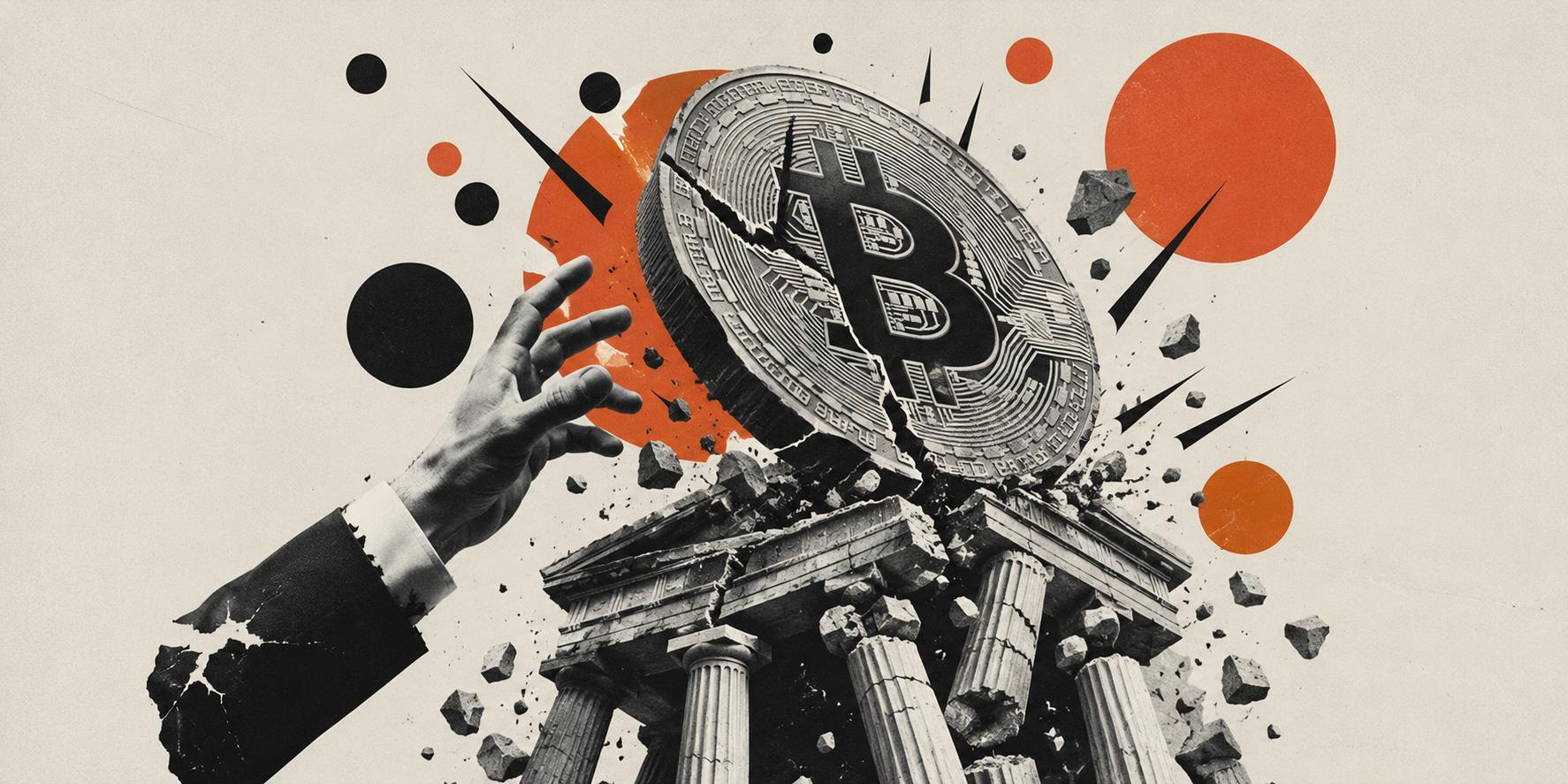
Elizabeth Warren’s crypto bill eyes inclusivity as audit firm Mazars drops Binance
- Senator Warren reckons that the crypto industry must conform to rules like banks, brokers and other financial institutions.
- “Digital Asset Anti-Money Laundering Act of 2022” comes amid heated discussions about FTX’s collapse.
- The international audit firm Mazars pauses engagement with all its crypto clients, including Binance.

United States Senator Elizabeth Warren introduced a new bill referred to as the “Digital Asset Anti-Money Laundering Act of 2022.” The bill comes after FTX and its sister company Alameda Research filed for bankruptcy due to embezzlement of customer funds. Warren says the crypto industry is not special and should work within the existing laws, like banks, brokers, and Western Union.
New crypto bill could strengthen law enforcement
Warren’s bipartisan crypto bill comes at a time when the world is mulling over what caused the collapse of a once-thriving cryptocurrency exchange. Led by Samuel Bankman-Fried (SBF), FTX quickly became a force to be reckoned with in the crypto market and other sectors of the economy.
However, rumors of financial trouble at the exchange surfaced in early November, leading to cascading events and the company’s untimely death. In testimony before Congress, the new CEO of FTX, John Ray III, said there were no accounting records and all decisions were made via Slack (a workspace application).
Senator Warren’s crypto bill targets “rogue nations, oligarchs, drug lords, and human traffickers are using digital assets to launder billions in stolen funds, evade sanctions, and finance terrorism.” It is said to lean toward financial freedom and inclusivity – not just reduce fraud.
“The crypto industry should follow common-sense rules like banks, brokers, and Western Union, and this legislation would ensure the same standards apply across similar financial transactions,” Senator Elizabeth Warren outlined earlier in the week.
The introduction of the “Digital Asset Anti-Money Laundering Act of 2022” could not have come at a better time, especially with investigations slowly bringing to light shadows that saw SBF’s FTX fall to its knees, leaving millions of customers and creditors counting immense losses.
What are the implications of the crypto bill 2022?
Warren’s bill aims at classifying self-hosted wallets as “money service businesses.” A self-hosted wallet is any digital wallet used to hold crypto assets – think of it as a traditional wallet or purse. Currently, these self-hosted wallets operate outside the surveillance of the government. This means they will no longer be safe from censorship.
Individuals and firms identified as miners, validators, and other network participants will also fall under the “money service businesses” category. The bill further states that the “Treasury shall promulgate a rule that prohibits financial institutions from … handling, using, or transacting business with digital asset mixers, privacy coins, and other anonymity-enhancing technologies.”
Undoubtedly, this crypto bill will have far-reaching implications on the crypto industry – some of which will be positive, others negative. However, the contagion from FTX leaves the crypto industry with little to no say.
Binance in the spotlight again after audit firm Mazars drops crypto clients
Mazars is reportedly pausing all engagements with its crypto clients, including KUCoin, Crypto.com and Binance. The move comes a few days after questions were asked about a report the audit firm recently published on Binance’s “proof of reserves.” Centralized cryptocurrency exchanges have recently come under increased surveillance because stakeholders hope to prevent the FTX debacle from happening again.
Binance maintains that it is stable and has over $60 billion in assets. However, the report published by Mazars did not include the exchange’s liabilities – raising questions about Binance’s stability.
“Over the past week, Binance passed a stress test that should give the community extraordinary comfort that their funds are secure,” Binance wrote in a statement sent out on Friday.
The largest exchange confirmed the rumor that Mazars is not working with crypto clients on Friday. An article in the Financial Times cited a person (unnamed) privy to Mazars’ decision. The CEO of Binance, Changpeng Zhao (CZ), told CNBC this week that the company was “financially OK.”
Author

John Isige
FXStreet
John Isige is a seasoned cryptocurrency journalist and markets analyst committed to delivering high-quality, actionable insights tailored to traders, investors, and crypto enthusiasts. He enjoys deep dives into emerging Web3 tren