Arbitrum proposes 75 million ARB distribution, critics worry about impact on ARB price
- Arbitrum Improvement Proposal calls for distribution of 75 million tokens to active protocols.
- Critics criticize the proposal and argue that it increases inflation in the long-term, likely pushing ARB price lower.
- The proposal calls for two rounds of community votes and fund distribution through the multisig.

The Arbitrum community will vote on an Arbitrum Improvement Proposal (AIP) that calls for the distribution of 75 million ARB tokens to active protocols on the chain. The proposal is aimed at meeting short-term community needs.
Critics have expressed opposing viewpoints, concerned with inflation in the ARB token and a negative impact on its price over the long term.
Also read: Ethereum Cancun upgrade development is on track, testing phase comes next
Arbitrum proposal outlines distribution of up to 75 million ARB to DAO-funded incentives
A new proposal on the forum in Arbitrum Foundation outlines a one-time, community-created program to distribute up to 75,000,000 ARB of DAO-funded incentives. The funds are to be distributed to Arbitrum-based projects. The rationale behind it is increased volume, transactions, users and liquidity, laying the groundwork for a dynamic ecosystem.
The proposal is an experimental program, and the community members that are concerned about inflation and selling pressure for ARB tokens have expressed their dissent in the comments.
The process is outlined below:
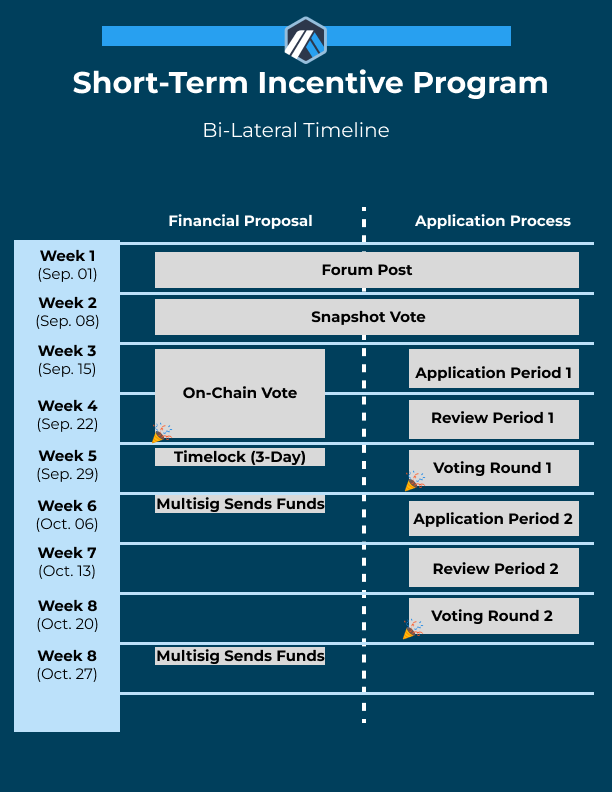
Short-term incentive program process
Distribution of 75 million ARB tokens could fuel inflation
A community member behind the handle “mfer” explained his two key concerns: a rise in inflation in Arbitrum with increased selling pressure on ARB token. The user explains that starting the experiment with a smaller volume of ARB tokens would be appreciated.
The current incentive proposal reminds the user of money printing measures by the Federal Reserve to stimulate the economy. Short-term printing solutions typically artificially inflate the Total Value Locked (TVL) and metrics only temporarily.
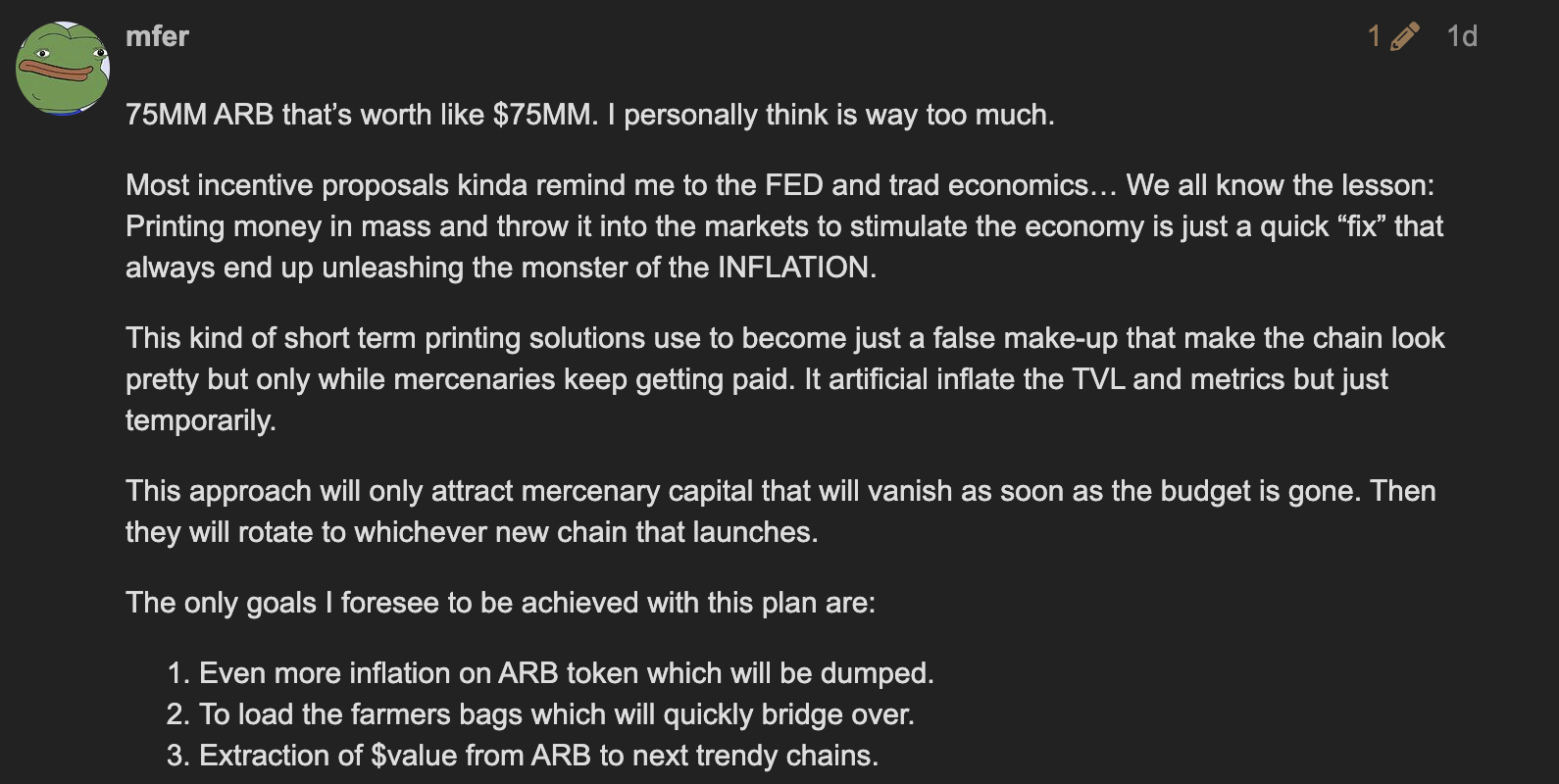
ARB critic concerns
“Mfer” thinks that a short-sighted approach will only attract mercenary capital that is likely to vanish as soon as the budget is distributed to different projects. ARB holders can typically expect an extraction of value from ARB to other blockchains at the end of the token distribution.
Impact on ARB price
At the time of writing, ARB price is $0.9098 on Binance. The Layer 2 token has yielded a 0.57% gain for holders on the day. $2 billion worth of ARB tokens have been unlocked over the past eight months. The Layer 2 token has attempted to recover, however, it has been in a downward trend since the unlock of April 17.
In the event of large volumes of ARB tokens flooding exchanges, selling pressure is expected to increase, driving ARB price lower in the long term and delaying the Layer 2 token’s recovery from the token unlock event.
Bitcoin, altcoins, stablecoins FAQs
What is Bitcoin?
Bitcoin is the largest cryptocurrency by market capitalization, a virtual currency designed to serve as money. This form of payment cannot be controlled by any one person, group, or entity, which eliminates the need for third-party participation during financial transactions.
What are altcoins?
Altcoins are any cryptocurrency apart from Bitcoin, but some also regard Ethereum as a non-altcoin because it is from these two cryptocurrencies that forking happens. If this is true, then Litecoin is the first altcoin, forked from the Bitcoin protocol and, therefore, an “improved” version of it.
What are stablecoins?
Stablecoins are cryptocurrencies designed to have a stable price, with their value backed by a reserve of the asset it represents. To achieve this, the value of any one stablecoin is pegged to a commodity or financial instrument, such as the US Dollar (USD), with its supply regulated by an algorithm or demand. The main goal of stablecoins is to provide an on/off-ramp for investors willing to trade and invest in cryptocurrencies. Stablecoins also allow investors to store value since cryptocurrencies, in general, are subject to volatility.
What is Bitcoin Dominance?
Bitcoin dominance is the ratio of Bitcoin's market capitalization to the total market capitalization of all cryptocurrencies combined. It provides a clear picture of Bitcoin’s interest among investors. A high BTC dominance typically happens before and during a bull run, in which investors resort to investing in relatively stable and high market capitalization cryptocurrency like Bitcoin. A drop in BTC dominance usually means that investors are moving their capital and/or profits to altcoins in a quest for higher returns, which usually triggers an explosion of altcoin rallies.
Like this article? Help us with some feedback by answering this survey:
Author

Ekta Mourya
FXStreet
Ekta Mourya has extensive experience in fundamental and on-chain analysis, particularly focused on impact of macroeconomics and central bank policies on cryptocurrencies.