Yen pairs the best to trade in 2017 due to high volatility and good ATR

A volatile and wild 2016 is coming to an end and at FXStreet we are already looking forward to what 2017 may bring to the markets, which doesn't seem to be less interesting from a trading point of view. To get a glance on the upcoming trends and developments for the markets, we have asked our best contributors ten questions to help us understand what may be ahead. Here are the views from Nenad Kerkez, Senior Lecturer and Market Analyst at Admiral Markets:
1. What will 2016 be remembered for?
The two major events of the year included:
the Brexit - where most polls indicated a Vote to remain to win, a shock result saw the UK vote for an Exit from the EU. This rocked most Equities markets several percentage points in a single day. GBP also declined across the board several percentage points. Whilst the Equities recovered in days to come, the GBP remained under pressure.
Trump winning US Presidential race – where Equities markets across the globe were rocked, losing several percentage points due to the uncertainty of Trump’s policies, most Equities recovered and entered a bullish phase the following days as markets and the USD rallied to new interim highs.
2. Which were your most important achievements this year?
My biggest achievements are yet to come :)
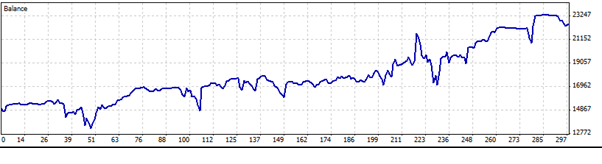
Trading related – I got my CAMMACD ™ method to the top. The analysis has never been so accurate and trading has been excellent too with one of the 1.5y old accounts ending up with 50 % of profit with only 21 % DD. Remember trading is different to analysis. Due to different mentalities and money/risk management, we can all trade the same method but we will all have different results. I also showed how low accounts can be traded successfully with more than 150 % profits and low DD.
Now when I think of achievements in a more serious way, maybe the single biggest one was helping my friend who is a full-time trader to overcome the problem with revenge trading. He was losing heaps of money (literally), money that ordinary retail traders can’t imagine. We handled the problem together, but honestly it was a bit hectic and emotional process. Fortunately, we made it together and it makes me a very happy person. He is doing great now!
Every smile, every positive reaction, every good comment I get really makes me smile and happy as I really like helping both aspiring (and experienced) traders.
Being nominated for FXstreet awards was also a nice achievement that I appreciate.
Personally, outside of trading, I am a bit sporty and I do a lot of exercise including running. Some achievements worth mentioning outside of trading include running a half marathon for 1:48 and swimming 5 km in my beautiful Novi Vinodolski in Croatia below 2h time.
3. What emerging trends or issues should traders prepare for in 2017?
Perhaps the possibility of elections in Italy after Renzi resigned after losing the Constitutional Referendum this month. Should the Popular party take parliament in this election, expect further uncertainty in the EU project, as they are Anti-EU, and this may make way for another Exit EU Referendum.
In addition, with a rate-hike environment on the cards in the US, this may cause issues to Foreign-owned USD denominated debt. The value of repayments required from foreigners with USD dominated debt increase in two-fold, first the value of the loan and repayments required in the foreign currency increase due to unfavorable foreign exchange rate moves, and secondly, the rising interest rate all has the same effect.
Whilst the ECB have recently released an extension of the QE program until the end of December 2017, any signals before the deadline date of Tapering of the program will send the EUR higher. Keep future ECB meeting dates on the calendar, particularly ahead of the QE deadline date.
4. Which will be the best and worst performing currencies in 2017 and why?
Yen pairs should be the best to trade due to high volatility and good ATR. Its connection to Equities is high. I really like it. It is the currency widely used all over the world with GBP/JPY being my favorite. When you couple it with GBP you get a win-win situation. GBP will be volatile and might perform well if we see positive Brexit developments and good eco data. The GBP is used in Forex world banking a lot. UK’s government bond prices are high and money is still flowing into UK assets. For other currencies, I might say USD/JPY too. 100.00 has been protected heavily and due to Yield differentials and inflation expectations, longs on USD/JPY could prove well. RUB might go well especially vs USD when sanctions on Russia are lifted.
Anyone mentioning Bitcoin? A virtual currency has been one of the top 2016 performers.
Out of worst performers, I expect Bolivar ( Venezuelan currency ) to be the worst performer due to an extremely bad economic situation. Anyone trading it? GBP can also be the worst performer if we don’t see positive data and “hard” Brexit scenario. If that happens investors might again dump the GBP. I cannot say for sure as we there are always some unexpected events that might happen.
5. Which under-the-radar currency pair do you expect to make a big move in 2017?
USD/RUB as I expect the sanctions vs Russia to be lifted in 6-12 months, just place it on your radar and watch it. Other currencies worth mentioning - CHF/JPY, AUD/NZD, USD/NOK and USD/MXN.
6. Which macroeconomic events will have the biggest impact on the FX markets in 2017?
One of the items of contention is whether US and EU Sanctions on Russia will remain in place. The wild card that has come to light that may influence a change in stance on this matter is Trump’s appointment as President of the USA. Trump has indicated that he think’s Putin is a strong leader, and I expect closer ties between Moscow and Washington in the coming year. In addition, EU Sanctions on Russia can be revoked in the absence of an unanimous decision to keep the sanctions in place by EU member states. Following recent elections in Bulgaria, an EU member state, a Pro-Russian Prime Minister won the elections, and this may place the EU Sanctions unanimous decision under pressure. Should the Sanctions be lifted, this will immediately cause an upward revaluation of the RUB.
7. Which asset class will cause the next financial crisis?
As mentioned above, in a rate tightening environment in the USA, the main risk that has been flagged by the IMF is Foreign-owned USD denominated debt. As mentioned above, foreign borrowers will face increased risks of servicing such debt.
As we indicated in an earlier article and according to a PWC study, a rate hike may see that some Emerging markets, particularly Turkey, Colombia, South Africa and Peru adversely affected by the large amount of foreign currency debt they hold relative to their GDP. The problem with a normalizing rate environment in the US means an increase in the loan repayments required by these countries, due to the rising rates and the rising USD relative to their local currency. This may be the wild card event that precipitates the next Global Financial Crisis, that being the foreign currency debt in Emerging Markets. Emerging markets least affected by foreign currency debt include the Philippines, India and Mexico.
8. What will you be focused on next year?
I will be focused on providing even more trading related stuff. Making pips and educating traders about the holy grail of trading – Money management. I might be focused also on seminars across Europe and wider. Of course, friends and family won’t be neglected.
9. Who are the people to watch in 2017 in terms of impact on the industry?
People in the FCA board :)
10. What are your New Year's resolutions?
Get more sleep. It is the most beneficial to our health and memory. I definitely won’t be feeling guilty about it :)
Author

Nenad Kerkez
Top-XE

















