When will the BoE cut?

Stocks on this side of the Atlantic Ocean are better bid these days than their American peers thanks to a combination of too-lofty valuations in the US, good corporate earnings from European companies and the expectation of looser monetary policies in Europe and the UK sooner than in the US. Plus, the AI rally – that’s been boosting the major US indices - looks like it is losing momentum.
The Stoxx 600 and the FTSE 100 traded at fresh records yesterday, as the S&P500 stalled. Nvidia for example, hasn’t hit a fresh record since March and AMD lost more than 30% since its March peak. Arm holdings, on the other hand, tanked 9% in the afterhours trading yesterday, after lowering its revenue and profit forecast for this fiscal year. Nvidia’s earnings – due May 22nd – can’t come soon enough to confirm or reject the fear that AI spending might start slowing. If that’s the case, the US stocks will need the help of a favourable Federal Reserve (Fed) stance to hold ground near ATH levels, but the macroeconomic picture is – what it is.
Yesterday saw another Fed speaker, Susan Collins, echo that reaching the 2% inflation goal could take longer than previously, while Lisa Cook said that firms have ample earnings to cover their debt payments, that financial firms are well positioned to absorb shocks and that the commercial real estate risks are sizeable but manageable. All in all, she didn’t sound like there is any sense of emergency for cutting the interest rates while inflation is comfortably stagnating above 3% in the US.
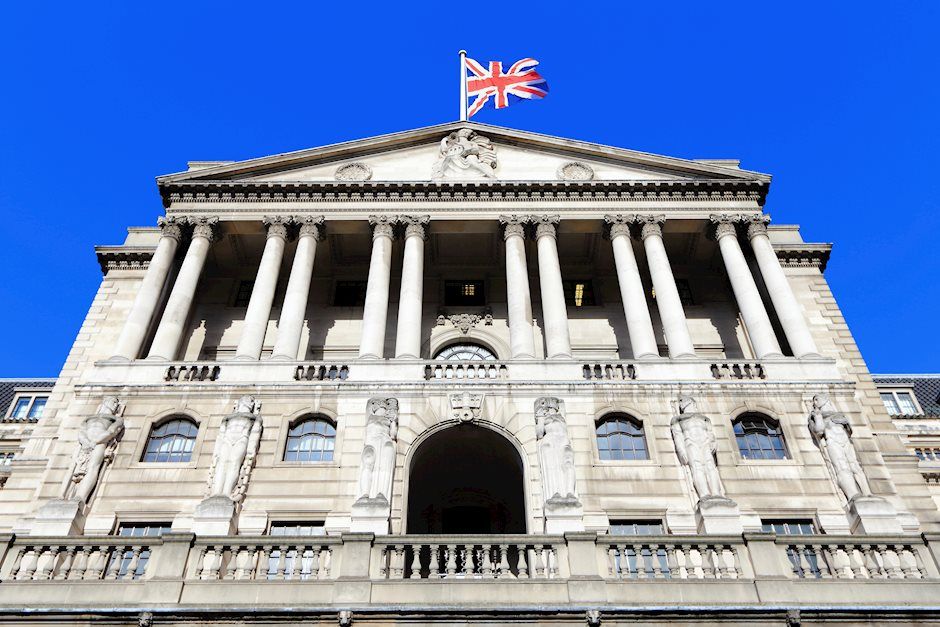
In Europe, however, things look different. The Swiss National Bank (SNB) lowered its policy rate in the Q1 due to a sufficient slowdown in inflation, the Riksbank opted for a 25bp cut yesterday, as expected, and said that there could be two more rate cuts this year, the European Central Bank (ECB) is expected to cut its rates when it meets in June, and the Bank of England (BoE) will – maybe – give more details on its plans to lower rates at today’s MPC decision.
What’s interesting is the European and Brits’ determination to ease their monetary policies regardless of what the Fed will do despite the risk of seeing their currencies depreciate and re-boost the domestic price pressures. Yet the European policymakers’ new slogan ‘data-dependent, not Fed-dependent’ will seemingly keep them on a dovish diverging path as long as the dollar’s appreciation remains manageable. For now, the undiscourageable Fed doves keep the dollar appetite contained. But as long as this focus on economy continues – which will require a steady slowdown in inflation – we shall see the European currencies continue to depreciate against the US dollar.
Zoom into the BoE
The BoE is not expected to cut its policy rate today, but the MPC is expected to agree less on when to cut rates. Four MPC members out of nine are sitting in the hawkish camp, Governor Bailey has shifted his stance from ‘it’s too early to talk about cuts’ to ‘the inflation dynamics between the US and UK are diverging’. Some see a small chance that the BoE could cut rates in June meeting, In tandem with the ECB. But a more realistic scenario is an August BoE cut.
Walking into the meeting, Cable trades in the bearish consolidation zone - below the major 38.2% Fibonacci retracement on October to March rebound, and unless we hear anything unexpectedly hawkish, there is no reason for it to reverse trend. Cable should continue to attract sellers near the 1.25 level into next week’s US inflation report. Then, things will likely take a clearer turn.
Author
Ipek Ozkardeskaya
Swissquote Bank Ltd
Ipek Ozkardeskaya began her financial career in 2010 in the structured products desk of the Swiss Banque Cantonale Vaudoise. She worked in HSBC Private Bank in Geneva in relation to high and ultra-high-net-worth clients.

















