Top five things traders have to watch this week

Stock bulls remain on shaky ground as we head into another week of heavy retail earnings and Fed speculation.
Earnings
Disappointing earnings results last week from the likes of Walmart, Target, and others revealed that supply chain dislocations and skyrocketing labor costs have delivered deeper-than-expected damage to company balance sheets as changing consumer habits and higher prices begin to crimp sales.
The headwinds have forced cuts to full-year forecasts that some insiders fear may need to be lowered further, especially if the economy slips into a recession as many bears expect.
Retailers reporting this week include Advance Auto Parts today, followed by AutoZone, Best Buy, and Nordstrom on Tuesday; Dick's Sporting Goods and Williams Sonoma on Wednesday; American Eagle, The Buckle, Burlington Stores, Costco, Dollar General, Dollar Tree, The Gap, Macy's, and Ulta Beauty on Thursday.
Investors are also nervous ahead of some key tech earnings this week, including Zoom today; Intuit Tuesday; NVIDIA and Snowflake on Wednesday; and VMware on Thursday.
Fed
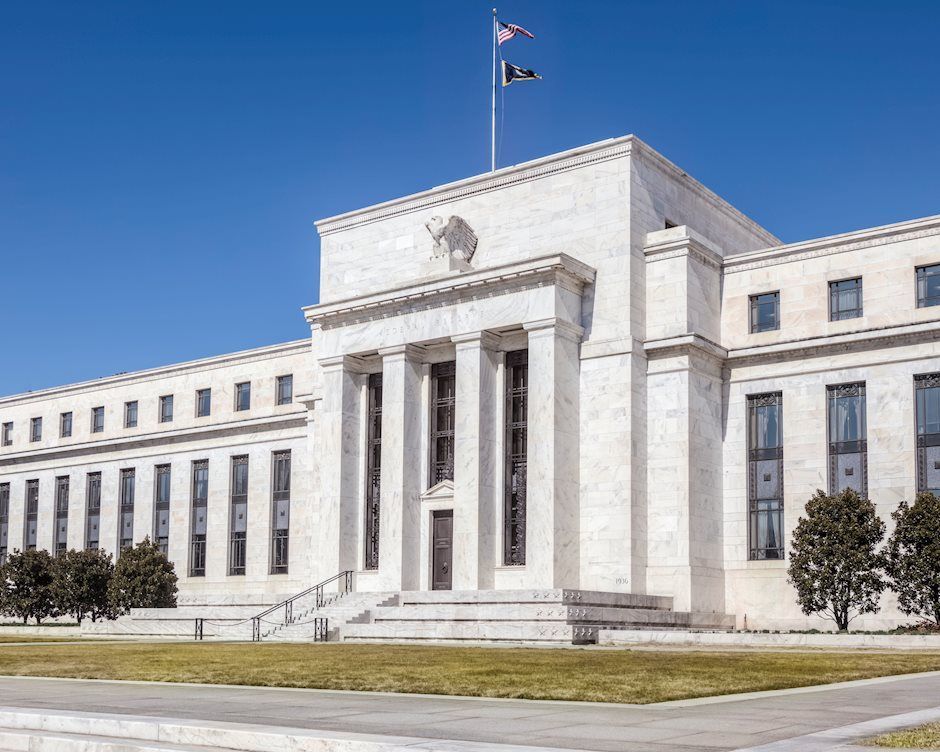
Turning to the Federal Reserve, there are only a couple of speakers scheduled this week, though one of those is Fed Chair Jerome Powell, who delivers opening remarks at an economic conference in Vegas tomorrow.
The speech is expected to be pre-recorded, however, and he won't be taking questions, so it may not provide much in the way of new insight.
Wednesday brings the "minutes" from the Fed's May FOMC policy meeting which could provide clues as to the size of upcoming rate hikes. Wall Street widely expects the Fed will lift its benchmark rate by 50-basis points at both its June and July meetings.
From perspective, the stock market is trading poorly because of Fed uncertainty, the market is trading poorly because investors are nervous and uncertain about how companies are going to perform in the wake of the shift in Fed policy. In other words, I think the market might still be too overly optimistic considering the underlying landscape and shift in Fed rhetoric from easing to tightening.
Economic data
The economic data highlight this week will be the Core PCE Prices Index on Friday. The Core PCE Index, which strips out food and energy, is one of the Fed's preferred inflation gauges. The year-over-year headline rate rose +6.6% in March, while the Core rate actually pulled back a tenth of a percentage point to +5.2%.
Bulls are hoping to see more meaningful signs that consumer prices are starting to moderate in April's numbers. Inflation hawks warn that even if price gains slow or stall, that still leaves it running at more than double the Fed's target +2% rate and question where real price declines are even possible in the near future.
War in Ukraine
Russia's war in Ukraine complicates the outlook even further as it has such extreme repercussions for commodities.
As long as upward pressures remain on energy, food, fertilizers, metals, and other key materials, inflation will be hard to reverse. And as many commodities and supply chain experts continue to warn, even if the war ended tomorrow, the fallout could be felt for several years considering the massive infrastructure destruction, the seasonality of crops, a loss of workers, etc.
The war in Ukraine and global inflation pressures will be key topics at the annual World Economic Forum in Davos, Switzerland, this week. The conference is usually held in January but this year's event was rescheduled for May 22 to May 26, marking the first in-person version of the conference in over two years. There are only a handful of U.S. officials attending and no big Fed names, at least none that have been announced.
The conference typically generates a lot of financial headlines as attendees usually include leaders from many top global companies as well as political leaders and central bankers from across the world.
Monkeypox
It's also worth noting some growing talk concerning outbreaks of "Monkeypox" in 15 countries, including here in the U.S. While some cases have been linked to travel from Africa, where the disease is generally found, more recent infections are thought to have spread in the community. However, scientists stress that the root cause of the recent spike in cases remains very much unclear at this point. The disease is from the same family as smallpox but typically less severe. It requires close contact with an infected person for the virus to spread and health authorities say the risks to the general public remain very low. However, there is always a concern that a disease outbreak will prompt the media to go nuts with the headlines and perhaps spook the consumer at a time when some fear the economy is already experiencing a slowdown.
Author
Inna Rosputnia
Managed Accounts IR
Inna Rosputnia is a stock and futures trader, portfolio manager and financial analyst that has been in the trading industry for the last 12 years.

















