The Peso – Choose your Pugilist and Position
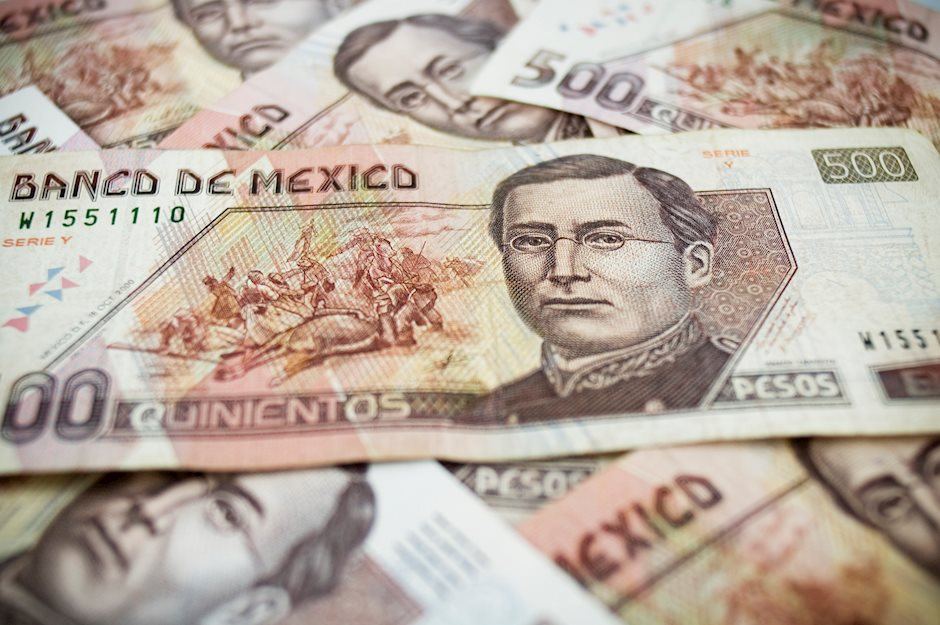

Mexico. The country is the fifteenth largest economy in the world, 11th in terms of purchasing power. It is home to the largest proven silver reserves in the world and the tenth largest oil reserves, yet to an extent the value of its currency against the U.S. dollar seems linked with the fate of a man obsessed with building a wall to stem the arrival of migrant workers. With Trump threatening NAFTA agreements and tariffs earlier this year, buyers and sellers of the peso are keeping a keen eye on U.S. polls. As Trump appears to flounder in light of the controversy surrounding his attitudes towards women, the peso climbs. Should he manage to dust himself down and win a bout or two in the political ring, it is likely the peso will shed recent gains.
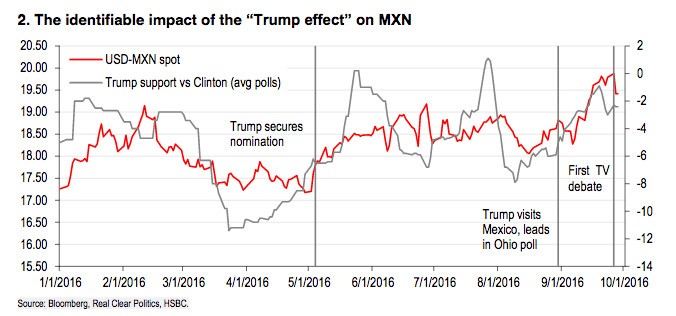
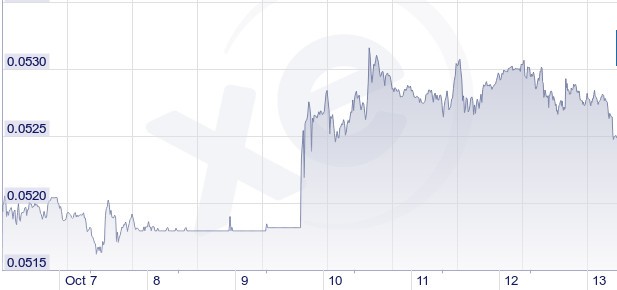
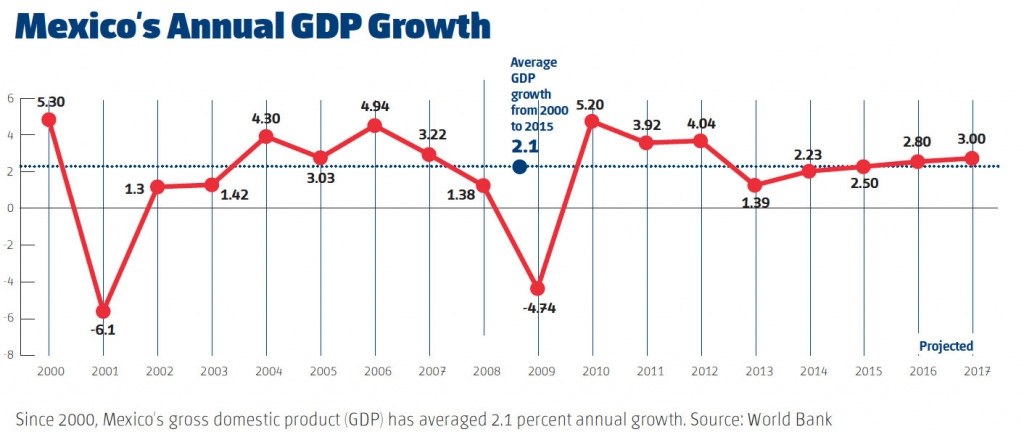
It is true that Trump is not the sole driver of the currency's fluctuations, however Matt Simpson, senior market analyst at ThinkMarkets, has argued that "the [Trump] tapes dictated the [recent] action" that saw a 1.6% rise in the value of the peso. Since the first Presidential TV debate, the peso has risen by 4.8% against the dollar from an all-time low. Despite this rise however, the currency is valued significantly lower than it was a year ago. In November last year one dollar would buy you around sixteen and a half pesos. Today, that figure is around nineteen. Clearly, not all of this can be Trump's influence. The Mexican economy has itself been fragile of late. It contracted in the second quarter for the first time in three years. Moreover, whilst other resource rich economies have seen their currencies rise in relation to the dollar, the peso is being held back by concerns about the risks facing the Mexican economy in the medium term should its trade with the U.S. come under threat. With the two way goods trade in 2015 totalling $531bn, this is certainly understandable.
While it is true that even the Mexican president has acknowledged Trump's impact on his nation's currency, saying 'this uncertain scenario about the outcome of the US election causes this uncertainty about Mexico', other factors such as oil prices and U.S. interest rates have also had an impact. As the eighth most traded currency continues to experience a difficult period, Mike Moran of Standard Chartered describes it as 'really at the bottom of the bucket'. The question is whether there is an end in sight for its difficulties or whether the peso will fall further to the twenty per dollar level that will shock the cautious generation of 12.50, the moniker adopted by those who grew up with a peso dollar peg.
For investors there is quite a simple rubric in play. If you believe in the efforts of economists such as Agustín Carstens, president of Mexico's central bank, who has made it his goal to help keep the Mexican economy on an even keel, lean, globally integrated and fiscally responsible, then its fundamentals appear secure. Should you hold this view and see a Clinton win in the U.S. election as a certainty, as an emerging markets analyst quoted in the FT is reported to have said 'you should be buying the hell out of Mexican assets.' If you don't, or if you don't put as much faith in the links between the peso and the controversial Trump, then taking a position against the currency might come into consideration.
There are of course other factors to consider. Rising debt levels threaten a ratings agency downgrade for Mexico and a weak peso will impact the country's austerity budget which aims to create a primary surplus, but is based on a USDMXN rate of $18.20 and not the present $19. It is also worth remembering that threats of protectionist measures from the U.S. do not solely come from the Trump camp. Senior Democratic senator Sherrod Brown, for instance, believes that a Clinton win will lead to a reassessment of U.S. trading positions. In an interview with the Washington Post he says, 'I’m certain of it. She [Clinton] understands these issues. We’ve talked about them. She understands them in depth, and she feels them.' Should this be the case, the peso, despite a probable surge in the aftermath of a Clinton win, would quickly slide.
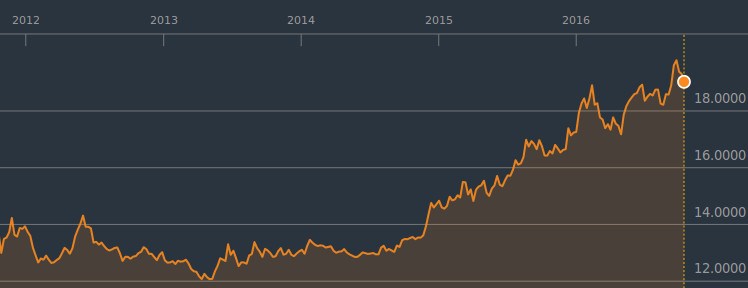
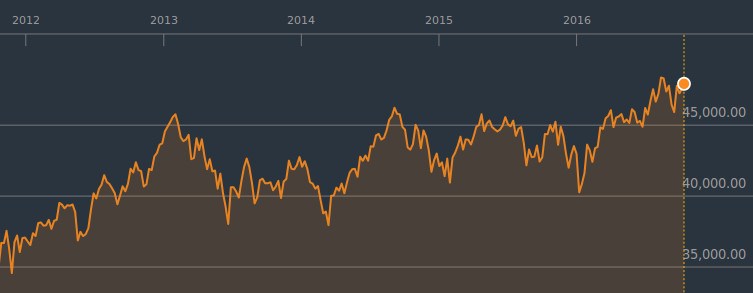
Amongst the emerging economies, the Mexican economy is a safe bet in terms of stability and the peso as a currency has served as a hedging tool for those invested in EM markets. The Mexican stock market, The Bolsa, has in fact been performing quite strongly for the last five years, showing that there are significant positives to be found in the country's current economic situation. Since 2011, the exchange has increased its value by just under thirty percent, not a rise to be taken lightly. However the peso has moved in precisely the opposite direction. In 2011 $1 bought between 13 and 14 pesos. Today's exchange rate sees the peso having lost around 30% of that.
Given the five year downward pressure on the value of the peso and potentially strong headwinds facing the Latin American country, it would seem quite the risk to take a long term FX position on the currency. However, with the currency likely to experience rises and falls in line with the fortunes of the two U.S. Presidential pugilists, there remains a significant chance to profit from speculation should you feel confident you are backing the right horse. Goldman Sachs analysts have in fact predicted that in the event of a Clinton win, the peso surge might be sufficient to gain back most of this year's losses against the dollar, yet should Trump triumph the peso would be in line to more than double its losses. More controversial revelations about the latter, or more leaks about the former, are almost certain to cause fluctuations in the valuation of the Mexican currency.
One final short term risk to the peso, as Miguel Bendetty notes, comes from the Mexican Central Bank's meeting on the 13th of October. He observes that 'If the minutes are hawkish, the peso could move past 19 per dollar, but if the market thinks it lacks the hawkish tone, it could move back to record weak levels around 20.'
While there are plenty of investment opportunities in Mexico, including some interesting ETFs such as the DBMX which has hedged its exposure to the Mexican peso, FX plays on the currency itself would seem to be immediately profitable only in short term as the currency tracks the fortunes of two very different contenders for the U.S. hot seat.
Author
Oisin Breen
Accendo Markets