The Aftermath of the Brexit Delay

What happened:
Three days and three votes down the road, the UK Parliament has managed to convince markets of nothing but its eagerness for inactivity: in the first two days, where action was to be assumed, the Parliament voted against, while on the third day it agreed to push the decision further down the road, if the EU allows it.
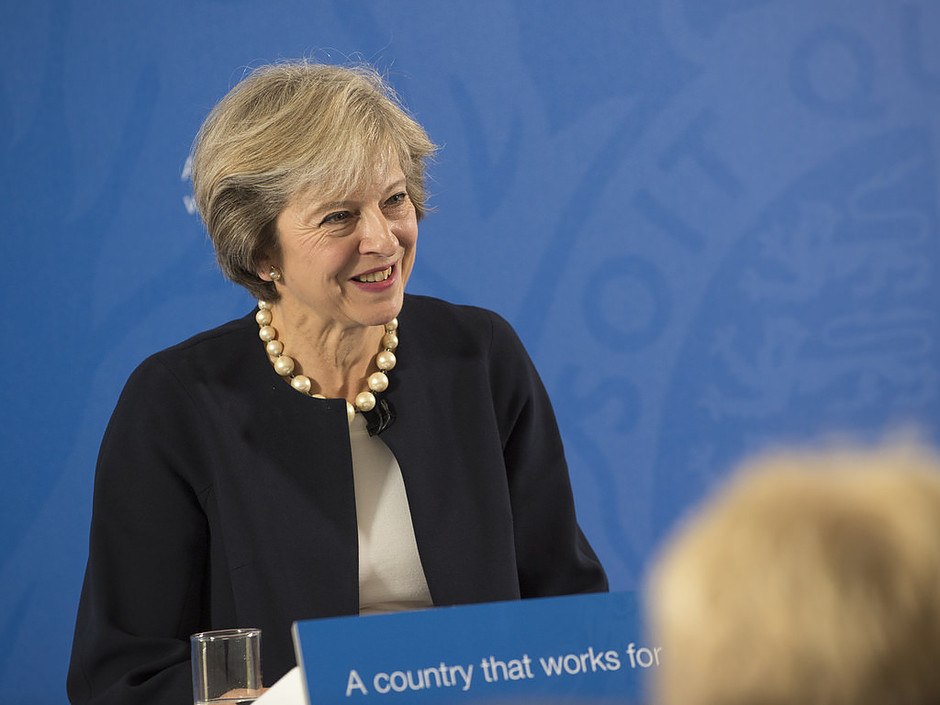
While businesses have taken this in a mildly positive way, this is a big IF. To begin with, another vote will take place before Wednesday, March 20, where Theresa May hopes to persuade at least her own party to approve of her existing deal with the EU. This will mark the third time May tries to obtain a meaningful vote on her Brexit deal, after losing with a 149-vote difference last Tuesday.
What’s next:
May needs the vote as she will be travelling to Brussels for the EU Council Summit, possibly for the last time before Brexit. It is there where she will request the extension of Article 50 from other EU leaders. The only issue is that May is likely to be viewed as a student trying to find excuses for not handing in her assignment in due time if good reason(s) for the delay is not offered. Furthermore, even if good reason(s) is offered, the EU leaders reserve the ability to reject the delay proposal, regardless of length of the proposed extension; all it takes is one country to reject the proposal and the UK will not be granted its delay.
The Brexit saga does not appear to have become any clearer, even though markets have been reacting on what they perceive to be best for countries’ prospects. Theresa May’s last minute strategy may work if the UK Parliament ends up between a choice for a no-deal Brexit or the acceptance of the PM’s deal, but finding themselves between the proverbial rock and hard place can only take place if the EU rejects the delay on March 21-22.
The possibilities:
May’s strategy could backfire in the case where the EU accepts the delay, as it will give the opposition enough time to pursue a no-confidence vote, as May’s leadership will likely appear less attractive if it is perceived that she has wasted two years and failed to reach an agreement. Still, May would continue to head the UK if the next no-confidence vote has the same result as the first.
Unfortunately, the possibilities for action remain as many as before, given that the Parliamentary decisions have not really enlightened the markets. At this time, even the possibility for the cancellation of Brexit from the UK side cannot be ruled out, even though MPs rejected calls for a second referendum.
Unless political decisions finally offer clear guidance as to where the UK is headed and stop issuing both positive and negative signals with regards to the country’s economic prospects, the Pound is due for a volatile second half of the month.
Author
With more than 4 years of experience at the Central Bank of Cyprus where he obtained hands-on experience with real-life economics, Dr Nektarios Michail is a supporter of a balanced approach between science and art when it comes to