RBNZ Preview: Changing the words to stay pat on OCR for longer
- The Reserve Bank of New Zealand (RBNZ) is expected to stay pat on the Official Cash Rate (OCR) in June as no key data changed much since its May meeting.
- With Governor Orr at the helm, the RBNZ is likely to change the wording of the policy statement, but keep the main message of being data-dependent and risk-aware in place.
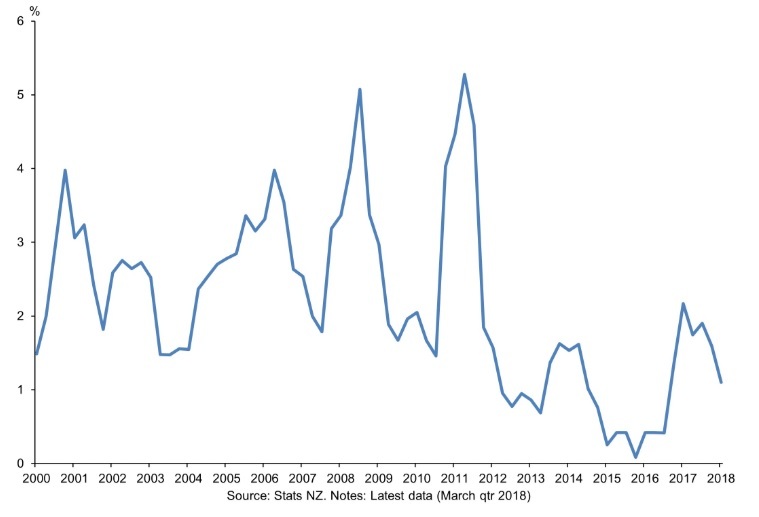
- With inflation decelerating at the lower boundary of the targeted range, the underlying dovish tone of the monetary policy statement is set to prevail.

The Reserve Bank of New Zealand (RBNZ) is expected to keep the Official Cash Rate (OCR) unchanged in June based on the outlook for more gradual inflation and GDP increase compared to previous estimates.
With quarterly inflation at 1.1% in March quarter, just one-tenth of a percent above the targeted range of 1%-3% and the outlook for inflation muted in the current environment, the RBNZ is expected to voice the data dependency before it indicates any changes to the current setup of the OCR.
With new RBNZ Governor Adrian Orr the monetary policy statement was enriched by the new form of solid uncertainty pointing to data dependence with RBNZ saying: ”The direction of our next move is equally balanced, up or down. Only time and events will tell.”
I believe the RBNZ statement will change in wording, but not the meaning of the message from the policymakers that the data dependency is still in place with great risks in the form of trade wars appearing on the horizon.
That would first mean that the outlook for inflation would turn into more gradual inflation increase and that would translate to even longer period of interest rate stability in New Zealand. With markets pricing in the August 2019 as the most probable time of the next OCR increase, inflation lower for longer would mean a shift in expectations of a rate hike towards November 2019.
The wage growth is not present yet to generate enough of price pressures for inflation to pick up higher and faster than estimated to see the horizon of the next rate increase sooner.
The RBNZ is likely to voice risks stemming from recent trade-related pressures. Although implications of trade wars for New Zealand are not yet clear, the benefits from a global free trade for a small and open economy like the one of New Zealand clearly overweigh the risks. Therefore the impact of trade wars escalating would be profound for New Zealand, especially if China was to slow down significantly.
Author

Mario Blascak, PhD
Independent Analyst
Dr. Mário Blaščák worked in professional finance and banking for 15 years before moving to journalism. While working for Austrian and German banks, he specialized in covering markets and macroeconomics.