Oil, Asian data and protests weigh on FTSE
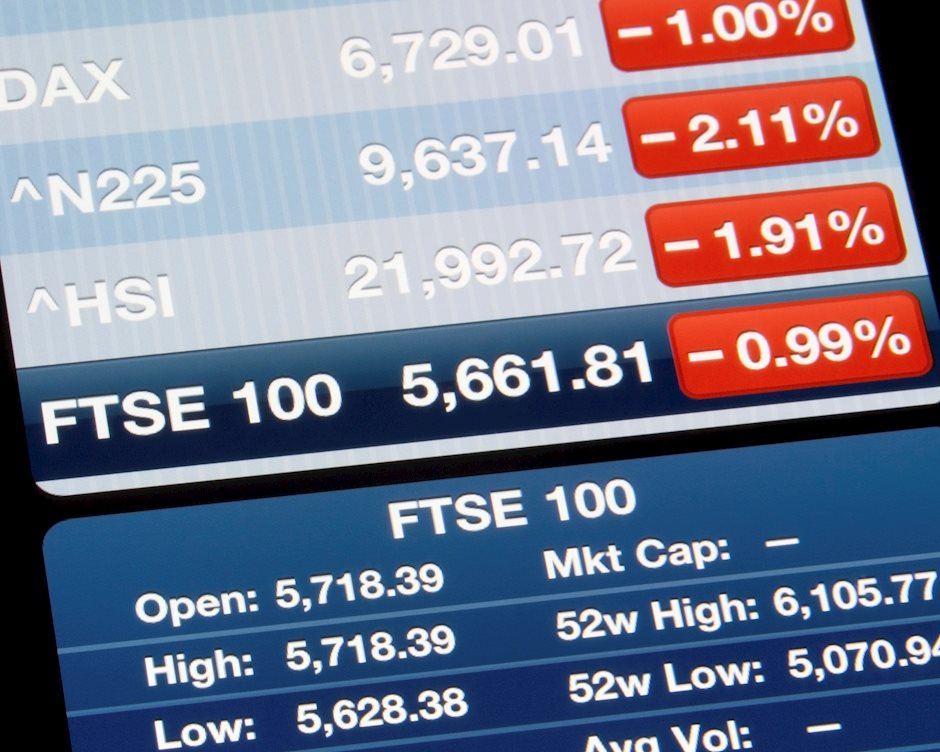

The FTSE started the day on a weaker note digesting weaker oil prices, Asian data and the aftermath of the violent protests in Hong Kong this week. Banks, oil firms and retailers attracted the most volume but declines were only moderate.
Chinese industrial data played a part in the FTSE’s decline as the UK is the second largest European exporter into the country. Industrial production in China is now at a 17-year low, reflecting weaker domestic demand but also the escalating trade tensions which became worse during May, the month of the latest data reading.
There was some volatility in the oil market with Brent crude prices slipping in early trade after the International Energy Agency cut its forecasts for global demand this year. There has not been an escalation in the Strait of Hormuz following yesterday’s attacks on two tankers but the situation remains fragile and is creating a support level for oil prices.
Tory leadership vote puts Johnson in the lead
The pound is barely showing any signs of life, trading in a narrow channel against the dollar and the euro since late yesterday when Conservative MPs went into the first round of voting on their next party leader. Boris Johnson emerged far in the lead ahead of the second candidate, foreign secretary Jeremy Hunt, with more than twice as many votes.
For the pound, one of the key aspects of Johnson’s stance is his view of a no-deal Brexit and sterling’s inactivity this morning reflects his recent more conciliatory view saying that he was not aiming for a no-deal outcome. For the moment the fabled volatility in the currency market has not materialised but there is time yet for the temperature to start rising.
US retail sales to channel EUR/USD action
US industrial production data and retail sales due out later today will be the focal point for euro/dollar trading as this is the last set of significant economic data before next week’s FOMC meeting.
Recent economic pulse taking in the US showed weaker data, particularly in the job market and Friday’s numbers will be key to deciding on whether there is a case for a change in US interest rates, as the markets are expecting, or not.
Author
Fiona Cincotta
CityIndex

















