Forex: Weaker NFP and a dovish Chair Powell could revitalise US Dollar bears
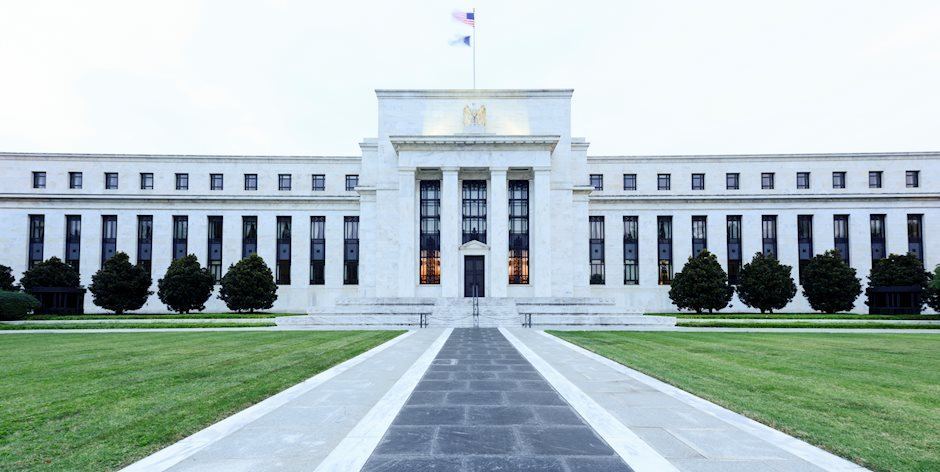

Job creation fell short, unemployment rose, and wage growth remained subdued in the April employment report, setting the stage for a possible dovish turn from some key Fed officials this week. This shift could revitalize US dollar bears, although the dollar may consolidate for now pending key US inflation data next week.
The underperformance of the Yuan today comes as a surprise, especially after China took steps to counter excessive currency weakness and announced plans for more supportive macro policies aimed at bolstering growth. Regional sentiment received a boost, but USDJPY moved higher as traders viewed the current intervention run to have temporarily subsided, causing Yuan traders to look over their shoulders at Yen's weakness today.
As we turn the page on a somewhat troubling and perhaps misleading first quarter of inflation and labour market data, the recent non-farm payrolls report suggests that the economy is still following its path of rebalancing labour markets, moderating wage growth, and cooling inflation. Let’s hope this trend continues without any head fakes.
The rate futures markets, known for their speculative volatility, saw a significant turnaround as the May FOMC meeting approached last week. The previously inflated rate-cut premium, which had reached nearly 175 basis points, dissipated due to a string of positive economic data releases.
However, Federal Reserve Chair Jerome Powell's remarks during the post-meeting press conference downplayed the likelihood of rate hikes in 2024. This served as a tacit repudiation of the market's efforts to price in the possibility of such
Even though Thursday's update on unit labour costs might have been expected to weigh on US rates, the sharp rally in the two-year sector suggested otherwise. Market participants began to realize that if rate hikes were off the table, shorter-term yields started to look keen.
In hindsight, it's evident that the initial market reaction, pricing in multiple rate cuts in 2024, may have been overly optimistic. On the other hand, with only a few months of data available, forecasting just one cut might have been even more pessimistic. Now, there is a chance the Fed was right all along when they forecasted 3 cuts in 2024; it’s just that the market may have been sent on a round trip.
This week seems pretty quiet on the economic front in the US, with minimal macroeconomic data releases except for the University of Michigan sentiment index. It'll be interesting to see if there's any indication of a further decline in consumer confidence.
The mood among Americans appears to be cautious and divided, a sentiment echoed by both the Michigan and Conference Board surveys. This uncertainty is unlikely to dissipate before the upcoming election.
Traders will likely keep an eye on the refunding auctions, considering that yields have retreated from year-to-date highs. While these auctions represent substantial supply events, it's worth noting that the Quarterly Refunding Announcement confirmed no coupon increases for the rest of 2024. Additionally, the Treasury buyback program, coinciding with the Federal Reserve's tapering of Quantitative Tightening (QT), presents a supportive technical environment.
Despite the large volume of bonds being sold by the US, the technical backdrop seems favourable. However, it's wise not to discount the possibility of concessions during this week's auctions. And for those expecting "failed" auctions, it might be best not to hold their breath.
As for Federal Reserve speakers, there's a long list scheduled for the coming days. While the frequency of communication from Fed officials might seem excessive, it's become a part of the market reality, even if it's sometimes seen as counterproductive.
Author
Stephen Innes
SPI Asset Management
With more than 25 years of experience, Stephen has a deep-seated knowledge of G10 and Asian currency markets as well as precious metal and oil markets.