Did Wall Street reach “peak bearishness”?
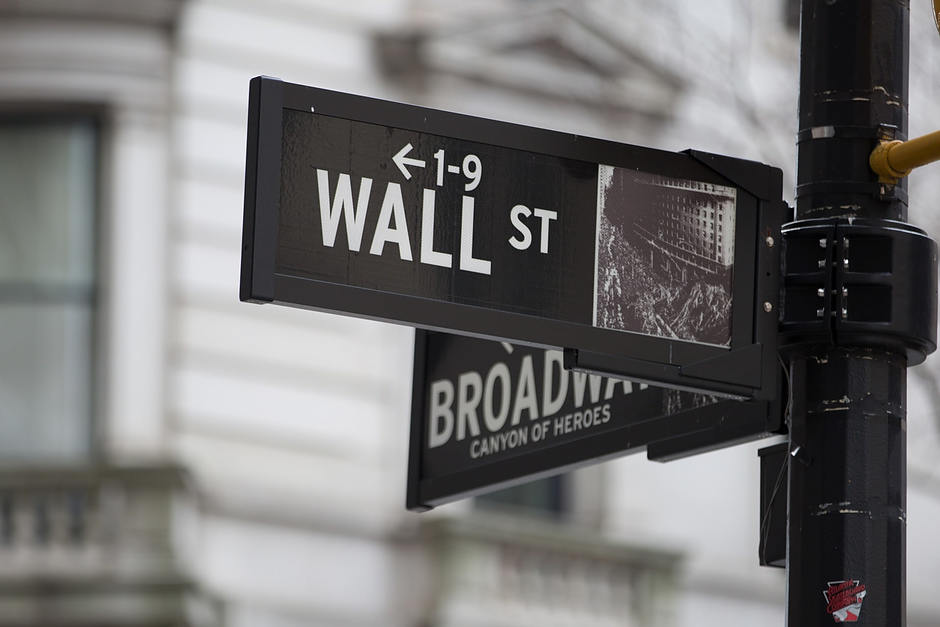

Stock bulls are wondering if Wall Street has reached "peak bearishness" as Goldman Sachs, Morgan Stanley, and BlackRock join the downbeat chorus of other major asset managers.
Fed’s tightening campaign
Most are citing concerns of a recession due to the Federal Reserve's aggressive tightening campaign. Fed officials this week have continued to acknowledge that some pain likely lies ahead for the US economy and job market as the central bank continues its campaign to beat back inflation.
Investors seem inclined to believe the tough talk at the moment, particularly as inflation has shown few signs of fading.
One big problem is that the areas where pressure does appear to be coming off are still highly elevated. Home prices for instance are still up nearly +16% year-over-year while energy prices remain nearly +24% higher than what consumers were paying last year. Meaning there is still a long way to go before inflation is back down to the Fed's target rate of around +2%. Until there are more widespread and consistent signs of declining inflation, it will be hard for economists and investors alike to forecast how long that might take.
Likewise, it makes trying to guess how high and for how long the Fed will continue lifting rates extremely difficult. In turn, the high degree of uncertainty over where the Fed's rate hikes might end means investors are lacking a key piece of the puzzle when it comes to stock valuations.
If we end up over +4.5% or even +5% like some are predicting, bears argue that stock prices need to fall even further.
History repeats?
The S&P 500's average peak-to-trough decline during past bear markets is about -36%, taking an average of around 10 months to hit bottom. The S&P 500 yesterday sunk to a new 2022 low and is now down just over -24% from its most recent peak in January.
Some on Wall Street that have been looking to history for clues as to where markets might go from here are pointing to the bear market of 1973 to 1974. It was second-longest bear market since 1928, lasting about 21 months, and similarly coincided with a period of high inflation and slowing economic growth, as well as extreme energy market volatility.
Since the 1950s, the longest bear market was in the early 2000s, when the dot com bubble burst. It lasted about 25 months.
Data to watch
Today, investors will be digesting Pending Home Sales and advance reads on Retail Sales, International Trade, and Wholesale Inventories.
It's worth noting that data yesterday showed Consumer Sentiment ticked up nearly 5 points this month. The gauge is considered a leading indicator of consumer spending.
Consumer spending is the single-largest driver of the US economy, so if that's not slowing down, inflation is not likely going to either. Today also brings several key earnings with Bed Bath & Beyond, CarMax, Carnival, Micron, and Nike the main highlights.
Author
Inna Rosputnia
Managed Accounts IR
Inna Rosputnia is a stock and futures trader, portfolio manager and financial analyst that has been in the trading industry for the last 12 years.