Is the Federal Reserve truly an independent institution?
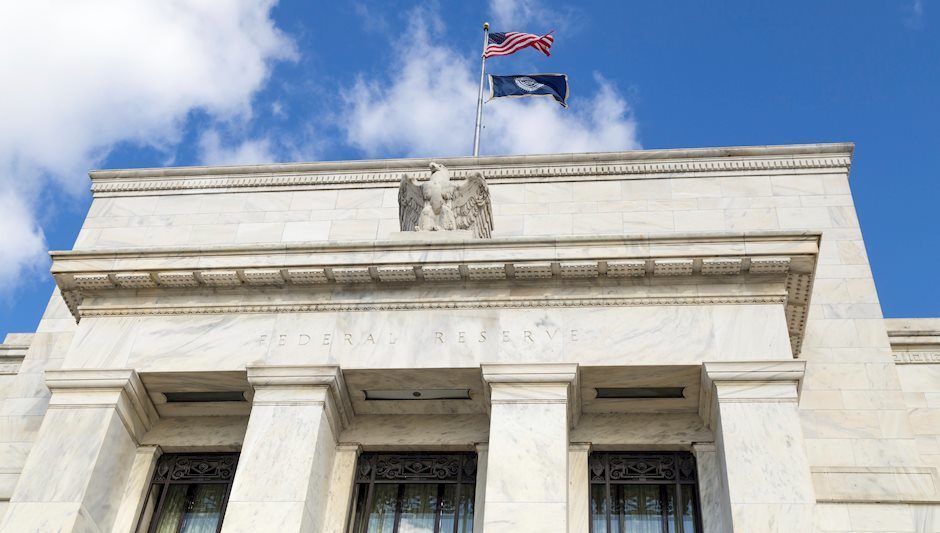

In a revealing episode of the Money Metals podcast, host Mike Maharrey is joined by Ken Silva, an investigative reporter for Headline USA, to delve into the opaque operations of the Federal Reserve, particularly in relation to its gold holdings and the broader implications of its secretive practices.
Silva, known for his focus on clandestine government activities, discusses his skepticism regarding the Federal Reserve’s proclaimed independence. Citing economic theories and historical data, Silva argues that the Fed has engaged in politically motivated financial maneuvers, such as adjusting interest rates around election times, which contradicts its claims of being a non-partisan entity.
The conversation turns to the "Doomsday Book," a document Silva came across through a Freedom of Information Act (FOIA) request, which outlines the extensive emergency powers the Fed believes it possesses.
Among these are the abilities to bail out cities and take ownership of companies under specific circumstances, revealing a level of authority that many may find alarming.
Additionally, Silva sheds light on the mysterious dynamics of the Federal Reserve’s gold reserves. After Russia's invasion of Ukraine, concerns about the safety and sovereignty of national gold reserves stored at the Fed have intensified, prompting Silva to investigate the actual movements of these assets.
Despite efforts to obtain detailed records from the Fed through FOIA requests, the organization’s response has been less than forthcoming, citing jurisdictional issues with the New York Fed, which is not subject to FOIA.
Silva's efforts highlight a broader issue of transparency within federal financial institutions. He advocates for a policy change that would make all federal records publicly accessible after a certain period, arguing that transparency is essential in a democratic society.
The podcast episode not only provides insights into the Federal Reserve’s operations but also underscores the challenges journalists face when trying to pry open the doors of powerful financial entities.
Silva’s ongoing quest for transparency exemplifies the crucial role of investigative journalism in holding institutions accountable and informing the public about the complex mechanisms that govern their economic environment.
Key questions and answers
Here are the key questions and answers from the Money Metals podcast interview between Mike Maharrey and Ken Silva:
Is the Federal Reserve truly an independent institution?
Ken Silva expressed skepticism about the Fed's independence. He referenced economic literature indicating that the Fed often manipulates interest rates around election times, suggesting political influence. Recent presidents, including Trump and Biden, have also made public calls for specific monetary policies, further questioning the Fed's impartiality.
What is the Doomsday Book, and what does it reveal about the Fed?
The Doomsday Book is an internal Federal Reserve document that Silva accessed through a FOIA request. It describes the extensive emergency powers the Fed believes it has, such as bailing out cities or taking ownership of companies under specific conditions. This document points to a significant level of authority and potential overreach by the Fed.
What prompted your investigation into the Federal Reserve’s gold holdings?
Silva's interest was piqued by global events and changes in the storage of gold reserves at the Fed, particularly after the Russia-Ukraine conflict. He sought to understand the total foreign gold holdings at the Fed and how these might have been affected by international tensions and sanctions.
What are the challenges in obtaining information about the Fed’s gold reserves?
Ken Silva faced difficulties obtaining detailed information about the Federal Reserve's gold holdings through a FOIA (Freedom of Information Act) request because the Federal Reserve Board directed him to the New York Fed, which is not subject to FOIA.
The Federal Reserve Board conveniently claimed that while it oversees the system, the New York Federal Reserve, which actually holds the gold and the relevant records, operates as a separate entity and thus falls outside the scope of FOIA requirements.
This jurisdictional nuance creates a significant barrier to transparency, as the regional banks like the New York Fed are not legally obligated to comply with FOIA requests.
How does the Fed justify its non-compliance with FOIA requests?
The Fed argues that while the Federal Reserve Board is subject to FOIA, its regional banks, such as the New York Fed that holds the gold, are not. However, recent policy changes suggest these regional banks will try to comply with the spirit of FOIA, which might offer a new avenue for Silva to challenge their lack of transparency.
What are your views on government secrecy and the public’s right to information?
Silva advocates for greater transparency, proposing that all government records should eventually be declassified. He criticizes the excessive secrecy and the use of national security as a justification to withhold information from the public, emphasizing the need for balance between security and transparency.
These questions and answers highlight the central themes of the interview, focusing on the Federal Reserve's transparency, its political independence, and the broader implications for democratic accountability.
Summary
Silva's investigations reveal the Fed's substantial, often hidden powers and the challenges faced in accessing transparent information.
This discussion not only highlights the complexities of monetary policy and its intersection with politics but also underscores the critical role of investigative journalism in ensuring governmental accountability.
As they peel back layers of bureaucratic secrecy, Silva's findings provoke serious questions about the Federal Reserve's role and its impact on global financial stability.
To receive free commentary and analysis on the gold and silver markets, click here to be added to the Money Metals news service.
Author
Ken Silva
Money Metals Exchange
Ken Silva is an investigative reporter for Headline USA whose reporting interests include FBI corruption, clandestine government activities, and extremist groups.

















