Asia Oil: Overnight oil gets hammered lower
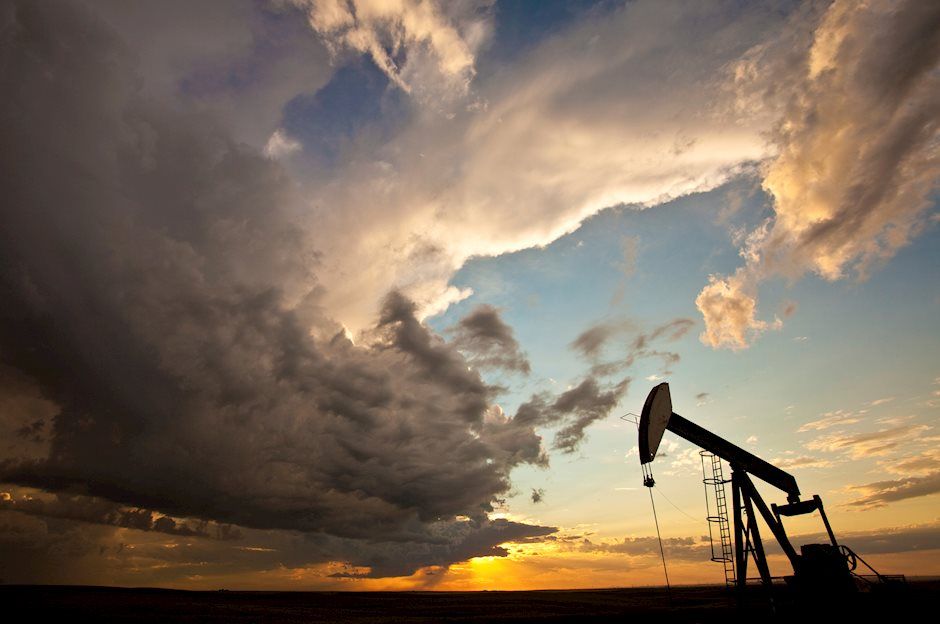

In line with broader markets, oil prices were hammered lower overnight as growth assets buckled amid lockdown fears. There continues to be concern around the effects on demand of the resurgence in Covid cases globally as countries have to counterbalance the economic and health issues of getting back to work; 2H20 was always going to reflect this price see-saw.
Tracking the afternoon US stock market recovery, oil prices recouped some of the NY morning losses during a lively afternoon session as risk sentiment showed signs of stabilizing after a feverish 24-hour sell-off.
While mother nature is doing its part as traders focus on hurricane season, OPEC+ cuts seem to be tightening the market. It’s complimentary that OPEC+ appears willing and able to take a proactive approach to defend and stabilize the oil price. Macro uncertainty means a broad range of possible demand outcomes, even if supply cuts are enforced.
With Libya set to add more barrels back to the market – with a rise by more than 400 kb/d by December 2020, a pace similar to the 2014 and 2016 restarts – OPEC's call for laggards to fully comply with their quotas by year-end must be delivered to offset Libya’s increased production risks.
The street expects the pace of economic recovery to slow over the next several quarters in most, if not all, economies. The virus is expected to spread faster with the arrival of cold weather in the northern hemisphere. And, thanks to a likely halt in US fiscal support until after the election this November, the near-term outlook for oil prices remains cloudy at best.
Many oil traders are subscribing to the dominant macro narrative that, as far as the oil prices recovery is concerned, last week's top might be as good as it gets for a while when mapping oil prices tangentially to the rebound in economic activity.
At least four oil tankers in the North Sea look like they’re being used as floating storage; between them, they’re carrying 4.2mn barrels. They have all been floating offshore for a week or more, suggesting that trading houses continue to buy and store offshore.
The medium-term trend seems supportive, but the longer-term looks challenging with several large oil companies expressing concerns about the demand outlook. Most recently, CNPC suggested refined product demand in China could peak much sooner than expected, with accelerating electric vehicle penetration reducing gasoline and diesel demand to less than 1% p.a. in the coming years before a peak in 2025.
Indeed, in the not too distant future, electric cars will surely do to the oil industry what the Edison light bulb did for the candle factory.
Author
Stephen Innes
SPI Asset Management
With more than 25 years of experience, Stephen has a deep-seated knowledge of G10 and Asian currency markets as well as precious metal and oil markets.