A Banking crisis is quietly brewing
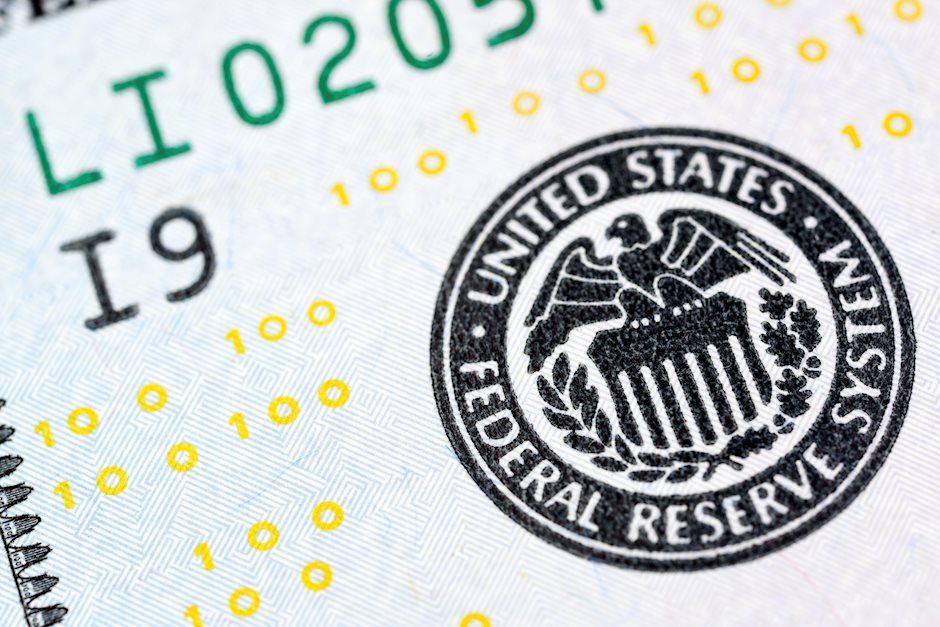

The Federal Reserve’s most recent policy statement came with a curious omission. Fed officials removed language from previous statements that proclaimed “the U.S. banking system is sound and resilient.”
That begs the question: Is the banking system no longer sound and resilient?
The Fed initially inserted the language in March 2023 following the collapse of Silicon Valley Bank (SVB) – whose balance sheet obviously wasn’t sound or resilient.
Fed officials and banking regulators went out of their way to assure us that SVB’s troubles were particular to its portfolio of assets. But higher interest rates, falling bond values, and shaky commercial real estate markets are negatively affecting other large banks as well.
Last week, shares of New York Community Bancorp suffered a dramatic selloff after it reported $252 million in losses for the fourth quarter of 2023.
Broader troubles for regional banks loom in this supposedly strong economy. In the event of (or ahead of) a recession, a wave of bank failures could trigger another financial crisis, some industry analysts warn.
None other than JPMorgan Chase CEO Jamie Dimon is warning of a debt crisis gathering. In recent remarks, Dimon said unsustainable growth in U.S. government debt is heading toward a “cliff” that will trigger a “rebellion” among global holders of Treasuries.
Meanwhile, JPMorgan Chase, Bank of America, PNC, and other big banks have recently announced the closures of hundreds of physical branch locations across the United States.
It’s meant to reduce overhead costs and push customers into online banking.
Some customers of Chase Bank have recently reported thousands of dollars in deposits missing from their accounts and having difficulty obtaining a resolution. Other customers have had their accounts abruptly closed without warning or explanation.
Last summer, attorneys general in 19 states accused JPMorgan of discriminating against banking customers by closing their accounts for having the wrong political beliefs or engaging in too many cash transactions, for example.
In the current environment, holding some of one’s liquid wealth outside the banking system is an essential asset protection strategy. Physical precious metals represent hard money that is no one else’s liability and cannot be digitally “lost” or canceled.
Some bullion holders make the mistake of storing their coins, rounds, or bars in a bank safe deposit box.
While the contents of safe deposit boxes are generally not known to bank employees or reported to the government, risks remain. They include branch closures, bank failures, thefts, and in some circumstances raids by law enforcement agents. Your personal information is held at the bank and is ultimately tied to any safe deposit box you own.
In a few cities, non-bank safe deposit box facilities exist that claim to offer greater security and privacy protection. Unfortunately, those very claims of privacy invited suspicions from the Feds – in at least one instance – that such facilities are used to hide ill-gotten assets.
In March 2021, the FBI raided hundreds of anonymous safe deposit boxes offered by a company called US Private Vaults in Beverly Hills. The agency attempted to seize everything in customers’ boxes worth more than $5,000 without even bothering to charge them individually with a crime.
Last month, the 9th Circuit Court of Appeals ruled that the FBI acted unlawfully in rummaging through boxes looking for valuables to take – and even refusing to return the property to lawful owners.
That doesn’t mean the FBI or other government agencies won’t be able to find legal workarounds to conduct future, more narrowly targeted raids of “private” safe deposit box facilities.
To be sure, what likely attracted the FBI’s attention to US Private Vaults was its unusual business model of eschewing all identification information on any box holder. In other words, not even US Private Vaults knew the identity of their own safe deposit box holders, much less the actual contents.
The most secure way to store bullion is through a dedicated bullion vault facility such as Money Metals Depository that operates outside the banking system and doesn’t allow clients to use it for cash, jewelry, or anything else that could attract unwanted attention from authorities.
Bullion held on behalf of clients in the Money Metals Depository is held in separate, individualized accounts. And in the unlikely event of theft or natural disaster, it is fully insured by Lloyd's of London.
Of course, physical precious metals themselves represent the ultimate insurance against meltdowns in the financial system and devaluations of government-issued fiat currency.
To receive free commentary and analysis on the gold and silver markets, click here to be added to the Money Metals news service.
Author
Stefan Gleason
Money Metals Exchange
Stefan Gleason is President of Money Metals Exchange, the national precious metals company named 2015 “Dealer of the Year” in the United States by an independent global ratings group.

















