Natural Gas drops 10% with COP28 agreement disenchanting
- Natural Gas drops 10% during US trading session taking over from the European one.
- Natural Gas prices are heading to $2 at this pace.
- The US Dollar is steady ahead of US CPI and the last Fed’s policy meeting for 2023.
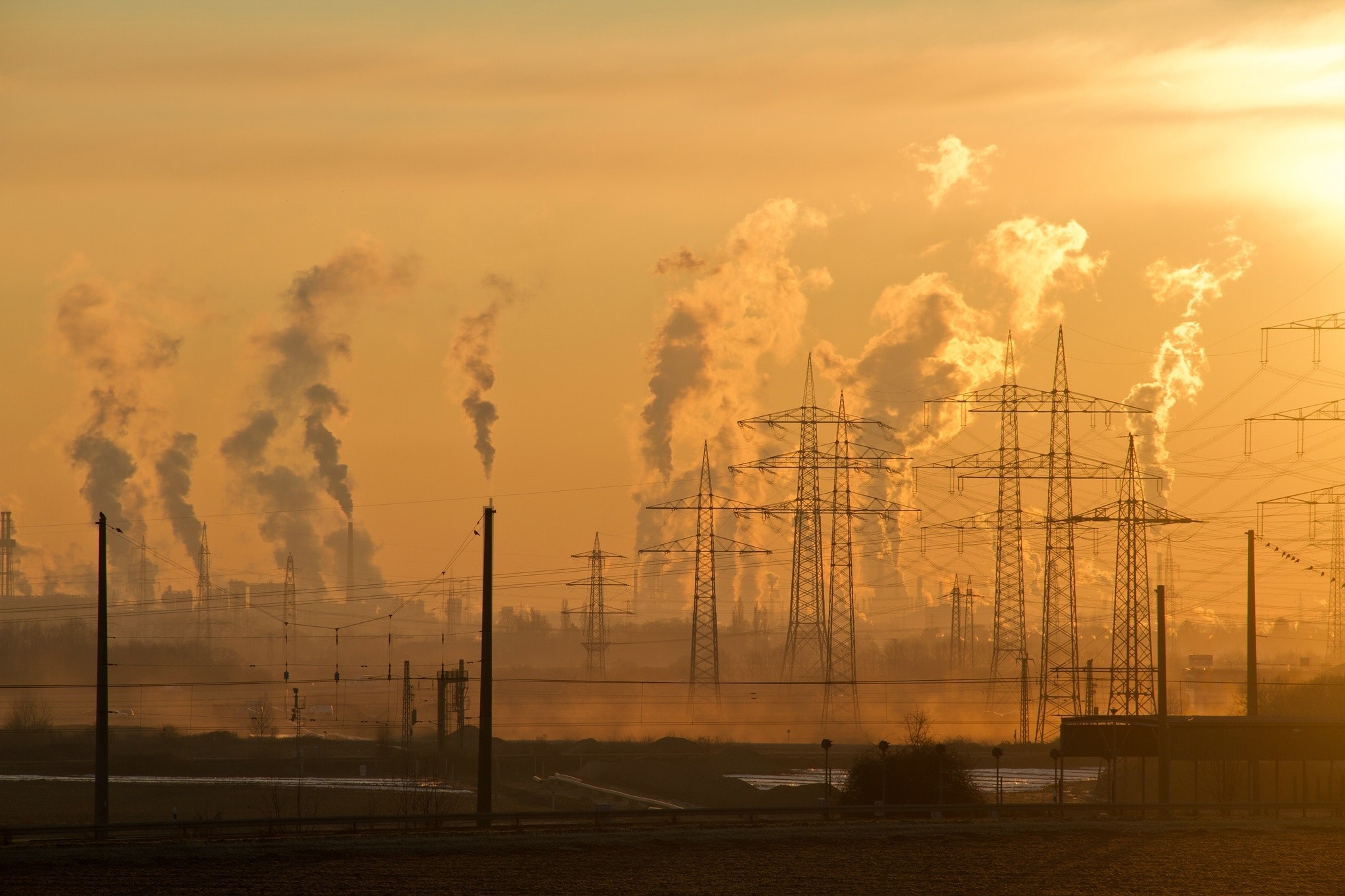
Natural Gas (XNG/USD) prices are accelerating their decline on Monday with headlines that a COP28 draft agreement is around the corner. The fossil fuels are set to be reduced, in stead of being phased out, after oppositions from oil and gas-producing countries under the lead of Saudi Arabia. It is the first time in history that a country that is organising the COP-gathering, is asking for a less severe agreement in terms of climate control and reduction of usage for fossil fuels.
Meanwhile, the US Dollar (USD) is strengthening this Monday with one of its counterparts, the Japanese Yen, weakening again. Its central bank, the Bank of Japan, issued a statement which contradicts earlier comments which drove the Japanese Yen higher against the US Dollar and triggered substantial down moves in the US Dollar Index. That same US Dollar Index (DXY), is back to where it was earlier last week, ahead of the last US Federal Reserve meeting for 2023, taking place on Wednesday.
Natural Gas is trading at $2.27 per MMBtu at the time of writing.
Natural Gas market movers: COP28 disappoints
- A COP28 statement is on the table after host Saudi Arabia itself oppossed earlier drafts and asked to have an easing of fossil fuels in stead of a full phasing-out commitment.
- More Asian Gas traders are demanding trading licences in London to set up shop. China is facing deflation, which means less demand for Liquified Natural Gas (LNG). Asian traders are now trying to offload surplus volumes in Europe where dependency on imports is still very high.
- The Futures markets are pricing in more downturn for gas demand in Europe, with January futures being priced below April prices at the moment.
- Weather forecast models are seeing no negative temperatures for the coming two weeks in Europe.
- Recent congestion issues at the Panama Canal are continuing, with Gas tankers blocked in the region not posing any supply risk as those volumes have already been replaced or allocated with other third-party supplies.
Natural Gas Technical Analysis: Green transition puts pressure on gas
Natural Gas is sinking and it is difficult to find any bottom that might help its downturn at the moment. The decline is a sum of factors which all point to one and the same issue: demand is absent. European tanks are still very much full and equipped to pass this winter without any hiccups. Meanwhile Chinese demand is turning into oversupply and traders are now seeking other regions to offload the surplus.
Should the weather models be wrong and several days of severe frost take a grip of mainland Europe, expect the reserves to erode quite quickly and additional supply might be needed. Expect to see a return to the purple line near $2.60 as the first hurdle. Next the 200-day Simple Moving Average (SMA) at $2.74 will act as a resistance before allowing Gas prices to soar to $3 with the 100-day SMA nearby.
Traders are facing further discounts in nearterm expirations in Futures contracts, which means more downside to come as buyers will wait for further declines before starting to buy. Small support could be seen near $2.20, with the low of June. Though, rather expect to see firm support coming in near $2.10, at the low of April from this year, at the yellow supportive line.
-638378898198125840.png)
XNG/USD (Daily Chart)
Natural Gas FAQs
What fundamental factors drive the price of Natural Gas?
Supply and demand dynamics are a key factor influencing Natural Gas prices, and are themselves influenced by global economic growth, industrial activity, population growth, production levels, and inventories. The weather impacts Natural Gas prices because more Gas is used during cold winters and hot summers for heating and cooling. Competition from other energy sources impacts prices as consumers may switch to cheaper sources. Geopolitical events are factors as exemplified by the war in Ukraine. Government policies relating to extraction, transportation, and environmental issues also impact prices.
What are the main macroeconomic releases that impact on Natural Gas Prices?
The main economic release influencing Natural Gas prices is the weekly inventory bulletin from the Energy Information Administration (EIA), a US government agency that produces US gas market data. The EIA Gas bulletin usually comes out on Thursday at 14:30 GMT, a day after the EIA publishes its weekly Oil bulletin. Economic data from large consumers of Natural Gas can impact supply and demand, the largest of which include China, Germany and Japan. Natural Gas is primarily priced and traded in US Dollars, thus economic releases impacting the US Dollar are also factors.
How does the US Dollar influence Natural Gas prices?
The US Dollar is the world’s reserve currency and most commodities, including Natural Gas are priced and traded on international markets in US Dollars. As such, the value of the US Dollar is a factor in the price of Natural Gas, because if the Dollar strengthens it means less Dollars are required to buy the same volume of Gas (the price falls), and vice versa if USD strengthens.
Author

Filip Lagaart
FXStreet
Filip Lagaart is a former sales/trader with over 15 years of financial markets expertise under its belt.

















