EUR/JPY weakens as China stimulus revives carry trade, weighing on Yen
- China’s bumper stimulus package has supported emerging market FX, reviving the carry trade.
- This is weighing on the Yen which is a popular funding currency for the carry trade.
- BoJ commentary and weak Eurozone data weigh on EUR/JPY.
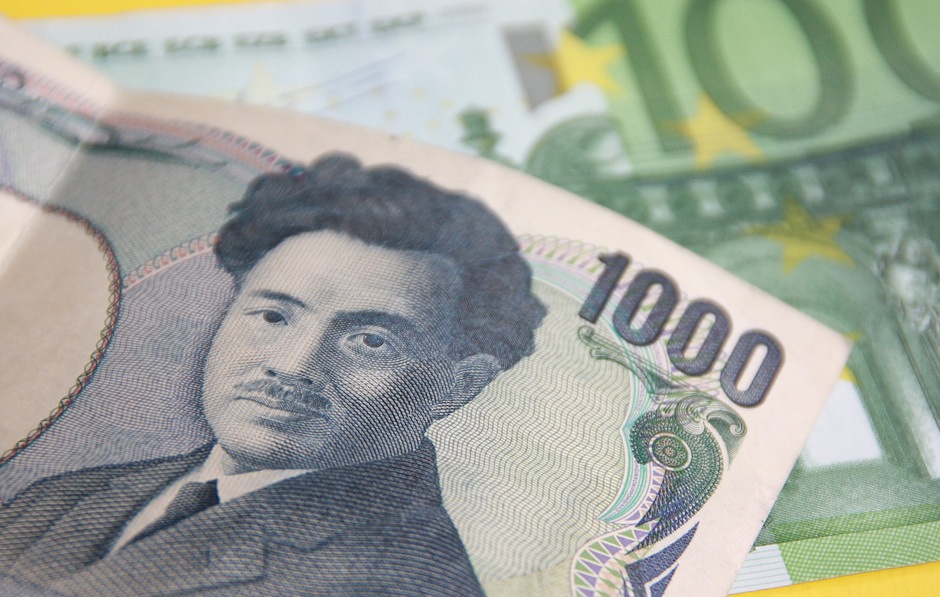

EUR/JPY is trading in the 160.20s, up almost 0.40% on Tuesday, after the announcement of substantial new stimulus measures by China revived the carry trade, which weighed on the Japanese Yen (JPY), the most popular funding currency for this type of trade.
The carry trade is an operation in which traders borrow money in a currency with low interest rates, such as the Yen (around 0.25% APR) and use the money to purchase a currency with a high interest rate such as the Mexican Peso (10.75% APR).
The carry trader profits from the difference in what it costs to service the loan and the interest earned. Because the Yen is so popular as a funding currency, increased carry trading can be a negative factor. China’s stimulus package has revived the carry trade because it had the side-effect of supporting emerging market FX, such as the Mexican Peso (MXN), which makes the trade even more profitable.
EUR/JPY is down from the day’s high of 161.11, however, because of a speech by the Governor of the Bank of Japan (BoJ) Kazuo Ueda which helped strengthen the Yen. The Euro (EUR) also lost some momentum due to more poor data from Europe’s largest economy Germany.
Kazuo Ueda was moderately hawkish (meaning in favor of raising interest rates) in his comments early Tuesday. He said that if inflation continues rising in line with the BoJ’s latest forecasts it would mean that the bank would increase interest rates – a positive for the Yen.
“We will raise interest rate if economy, (and) prices move in line with forecasts shown in our quarterly outlook report,” said Ueda.
A below-expectations result for the IFO German business sentiment index in September, a survey of 7,000 enterprises, further acted as a headwind for EUR/JPY.
Both the IFO Business Climate and Current Assessment indexes fell below both previous readings for August and economists’ forecasts. The IFO Expectations index, meanwhile, matched forecasts but was still lower than the previous month’s reading. The data reinforces the view that the German economy is at risk of falling into a recession.
The Euro lost ground in most of its pairs on Monday after the release of HCOB Purchasing Manager Index (PMI) data showed a stark decline in activity in the Eurozone economy, with the Composite PMI falling from growth to contraction.
In contrast, the Jibun Bank PMI in Japan, whilst showing a mild contraction in Manufacturing showed a slight rise in Services sector activity.
Author
Joaquin Monfort
FXStreet
Joaquin Monfort is a financial writer and analyst with over 10 years experience writing about financial markets and alt data. He holds a degree in Anthropology from London University and a Diploma in Technical analysis.