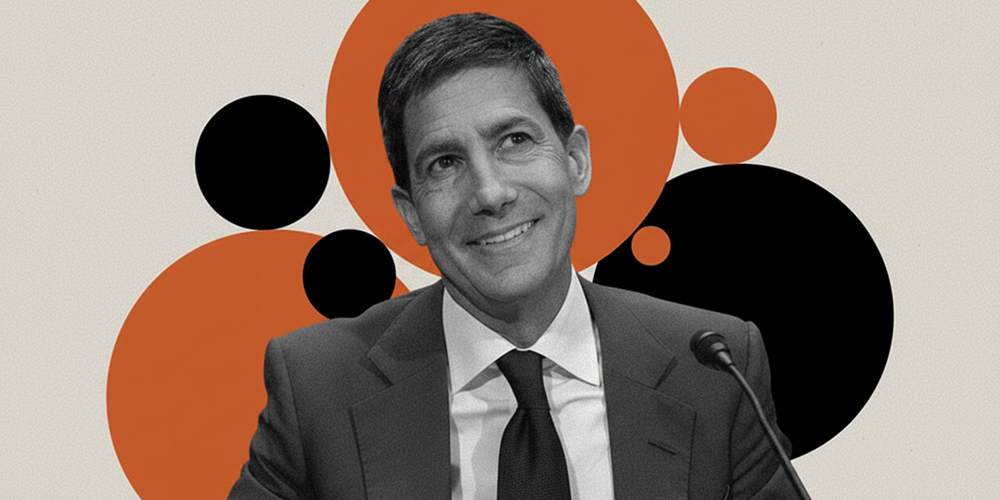
BoC Macklem: It’s still too early to consider cutting our policy rate

Bank of Canada Governor Tiff Macklem said on Friday that once the central bank “is assured that we are clearly on a path back to price stability, we will be considering whether and when we can lower our policy interest rate.”
Speaking at the Canadian Club Toronto, in his final speech of the year, Macklem explained that it “is still too early to consider” interest rate cuts. He added that they don’t need to wait until inflation “is all the way back to the 2% target to consider easing policy but it does need to be clearly headed to 2%.”
Key takeaways from the speech:
I expect 2024 to be a year of transition. The effects of past interest rate increases will continue to work through the economy, restraining spending and limiting growth and employment. Unfortunately, this is what’s needed to take the remaining steam out of inflation. But this period of weakness will pave the way to a more balanced economy
We expect growth and jobs to be picking up later next year, and inflation will be getting close to the 2% target. And once Governing Council is assured that we are clearly on a path back to price stability, we will be considering whether and when we can lower our policy interest rate.
But it’s still too early to consider cutting our policy rate. Until we see evidence that we are clearly on a path back to 2% inflation, I expect Governing Council will continue to debate whether monetary policy is restrictive enough and how long it needs to remain restrictive to restore price stability.
Over the coming months, you should expect to see some push and pull on inflation as the cooling economy reduces price pressures while other forces continue to exert upward pressure. That’s why further declines in inflation will likely be gradual. When it’s clear that inflation is on a sustained downward track, we can begin discussing lowering our policy interest rate. We don’t need to wait until inflation is all the way back to the 2% target to consider easing policy, but it does need to be clearly headed to 2%.
The 2% inflation target is now in sight. And while we’re not there yet, the conditions increasingly appear to be in place to get us there. The economy is no longer in excess demand, and underlying inflationary pressures are easing in much of the economy. We still need to see more downward momentum in core inflation, and we will be watching the demand-supply balance, wage growth, corporate pricing behaviour and inflation expectations closely as we assess where we are on the path to price stability.
Market reaction
The Canadian Dollar remained steady with USD/CAD hovering around 1.3370, on its way to the lowest weekly close since July.
Author

Matías Salord
FXStreet
Matías started in financial markets in 2008, after graduating in Economics. He was trained in chart analysis and then became an educator. He also studied Journalism. He started writing analyses for specialized websites before joining FXStreet.