BAYC holders beware: Phishing scammers are defrauding NFT holders for millions of dollars
- Crypto sleuth ZachXBT has identified two scammers who defrauded NFT holders for millions of dollars.
- The phishing scammers defrauded the holders of Bored Ape Yacht Club and left a trail of transactions behind.
- With the Ethereum Merge drawing close, NFT holders need to beware of phishing scams in the Web3 ecosystem.

An on-chain analyst and investigator has tracked down two scammers who defrauded investors of their Bored Ape Yacht Club NFTs. Fortunately by following a few simple steps, NFT holders can stay safe from phishing scams and impersonators in the Web3 ecosystem.
Also read: Here’s what to expect from Bitcoin, Ethereum price as Thailand tightens regulation
Analyst uncovers phishing scammers who defrauded users
Over the past year, scammers have become more creative at phishing users in Web3. ZachXBT, an on-chain analyst and investigator, concluded an investigation into NFT scams and identified two phishing scammers from France who defrauded people out of NFTs worth millions of dollars from their trail of transactions.
The two scammers claimed their first victim, Twitter user Dilly Dally for Bored Ape Yacht Club (BAYC) #237 after clicking on a link shared by a verified member of the BAYC Discord and approving a transaction on a website. The user was led to believe that clicking on the link would produce an animated version of his ape. Unfortunately, he fell victim to a scam and once the transaction was approved he lost his NFT to the scammer.
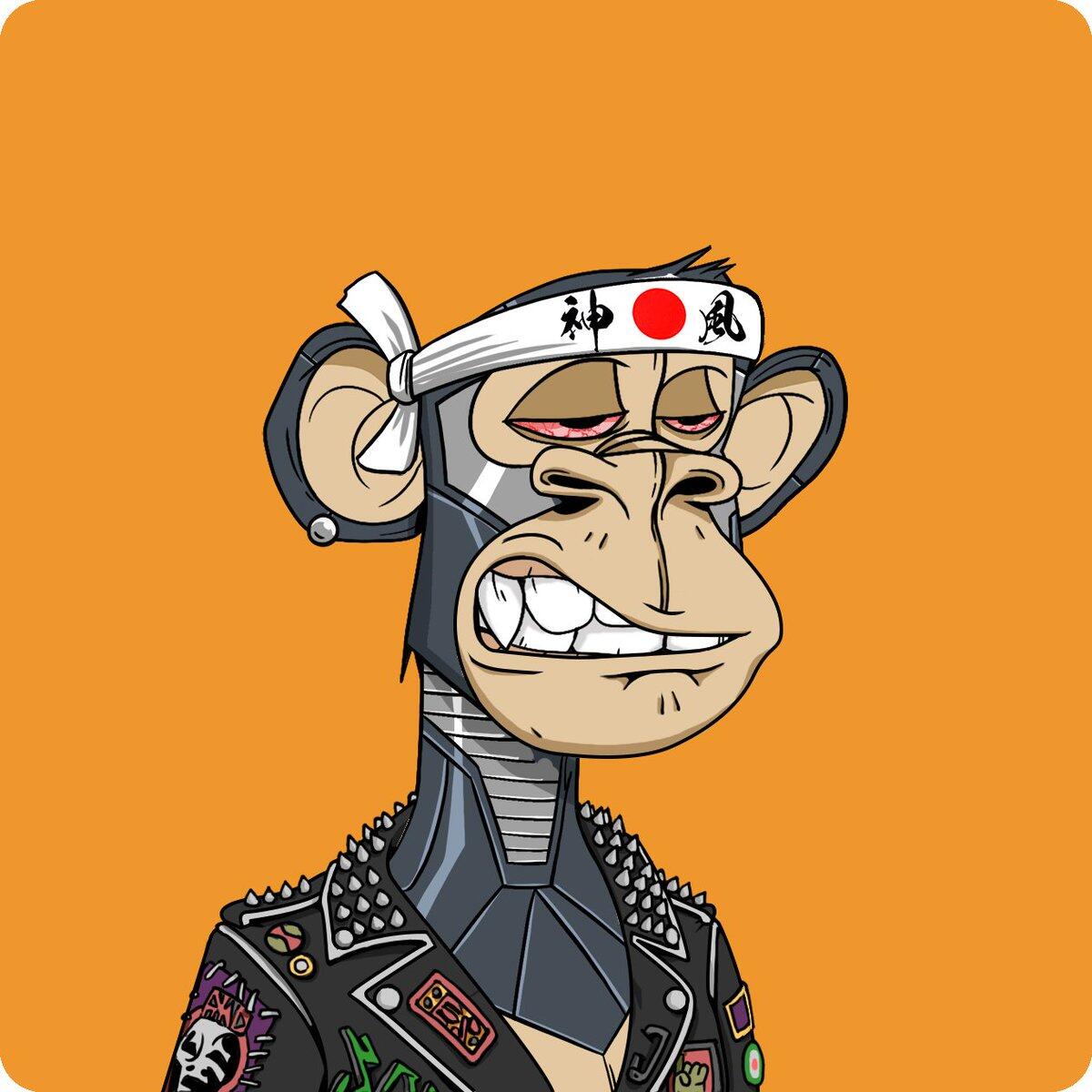
BAYC #237
The scammer sold BAYC #237 for $178,000 (47 ETH). The phishing scam continued and another user, holder of BAYC #6166 was defrauded in a similar manner. The scammer made several other attempts to defraud multiple BAYC owners on Twitter, sending them the same direct messages and a link to animate their NFT. The fraudster sold BAYC #6166 for 74.5 WETH, nearly $180,000.
The investigator identified the two scammers as Mathys and Camille from France. The two NFT holders are not the only victims of the fraudsters. The French scammers created phishing sites for Azuki, Sudoswap and Doodles, defrauding users for 497 ETH ($851,000) worth of cryptocurrencies.
Hacks are a growing concern for users and Hong Kong has seen a spike in crypto scams within the past few years. According to a recent report, crypto scams in Hong Kong climbed 105% in the first half of 2022. The irony is that Hong Kong is considered as the most crypto-ready nation in the world.
How to protect NFTs against phishing scams
To protect against phishing scams check URLs before opening them. Do not verify or perform any activity associated with clicking on links, leading to your wallet if they are external and shared in a DM on Twitter or an email.
When an individual, platform or service asks for sensitive information, confirm whether you are at the correct URL or get in touch with the customer support team. In case of MetaMask wallets fulfill verifications through the official domain URL MetaMask.io, make sure that you do not click on sponsored ads.
If you are unaware of a website’s legitimacy, do not click on links for whitelists or airdrop. Unless you verify the source, check every URL for malicious intent. Ipqualityscore.com is one of the several services that allow you to check URL for malicious intent, before you click on it.
Author

Ekta Mourya
FXStreet
Ekta Mourya has extensive experience in fundamental and on-chain analysis, particularly focused on impact of macroeconomics and central bank policies on cryptocurrencies.