UK Jobs Preview: Data set to reflect reality, potentially pounding the pound
- The UK's Unemployment Rate and jobless claims have likely risen amid the ongoing crisis.
- Economists expect wage growth to continue rising from the abyss, a silver lining.
- GBP/USD may suffer a blow, but that also depends on Brexit mood music.

Too good to be true? That may be the case of Britain's hailed furlough scheme – which is genuinely positive for the economy, but masks the real state of the economy. The last report published in 2020 is set to provide a dose of a reality check with data for the pre-vaccination period. Will GBP/USD react? That also depends on the Brexit mood at the moment of publication.
One of the "statistical victims" of the government's effort to keep people attached to their jobs has been the Unemployment Rate. While it has been creeping up from the post-financial crisis lows of 3.8%, it is still depressed at 4.8%, far from the worst of the post-2008 period. The upcoming report for October is set to show the jobless rate top 5%, which would be the worst since early 2016.
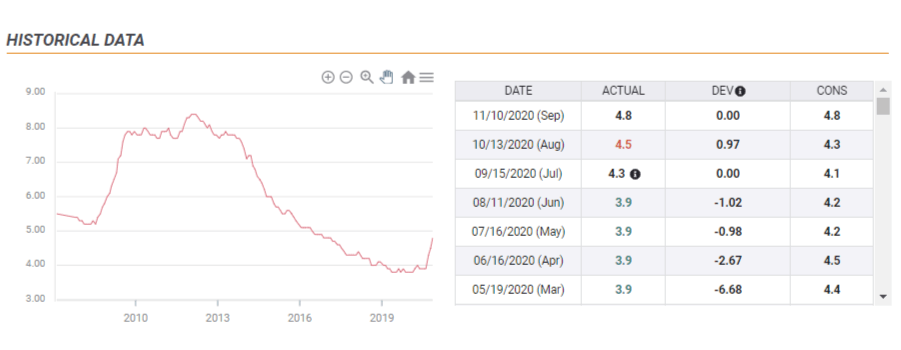
Source: FXStreet
An increase above that round number would likely serve as a reality check and weigh on sterling, even if the actual figure only meets expectations. It would show that the ongoing coronavirus crisis is taking its toll on the labor market.
The more up-to-date Claimant Count Change – aka jobless claims – is also forecast to provide depressing news, with a projected jump of 50,000 in November. The number of new applications surprised with a drop of 29,800 in October. If the more up-to-date figure more than reverses the previous improvement – it would compound an increase in the unemployment rate.
One component of the employment report that has been hit by the pandemic is wages. Average Earnings – both including and excluding bonuses – sharply decelerated, but have edged higher in recent months. The economic calendar is pointing to a leap, with pay excluding extras shooting from 1.9% yearly in September to 2.6%
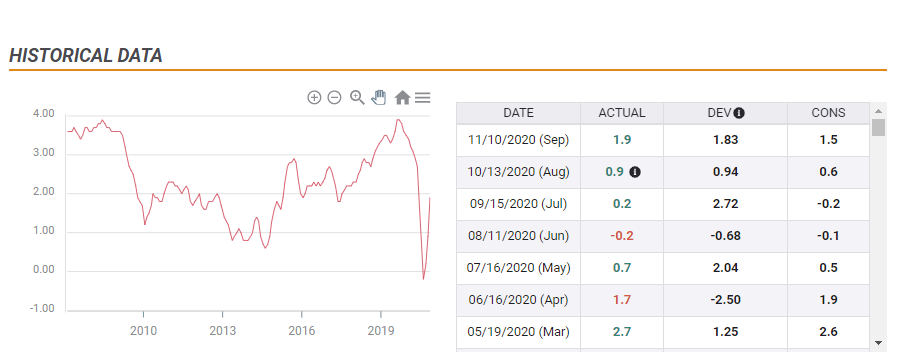
Source: FXStreet
An increase in salaries could serve as a silver lining, reducing the negative reaction of the pound to increases in the jobless rate and initial claims. However, with the Bank of England unlikely to raise interest rates anytime soon, a rise in wage inflation is unlikely to move the BOE nor boost the pound.
GBP/USD Reaction
If the data mostly point to a deterioration in the UK's labor conditions, the pound has room to fall. However, it is essential to note that Brexit headlines have the upper hand in impacting cable. A weak jobs report would have a stronger impact if it goes with the trend – if Brexit headlines are downbeat at the same time. On the other hand, optimism about an upcoming agreement will likely push traders to dismiss weak job statistics.
The same logic applies for the unlikely case of figures holding strong. A sub-5% Unemployment Rate would be pound-positive – but mostly if sterling is already riding higher on hopes for an EU-UK deal. If strong results come amid reports that talks are about to collapse, GBP/USD will likely shrug it off.
Conclusion
The UK's last publication of labor data for 2020 will likely provide a reality check and weigh on the pound. However, if reporters talk about an imminent Brexit deal, the chances that the pound could fall diminish.
GBP/USD Weekly Forecast: Brexit deal for Christmas or battle to the wire? Hundreds of pips at stake
Author

Yohay Elam
FXStreet
Yohay is in Forex since 2008 when he founded Forex Crunch, a blog crafted in his free time that turned into a fully-fledged currency website later sold to Finixio.

















