|

Three reasons for Gold and Silver’s appeal, but will it last?

Bank forecasts are rising for gold’s year-end price now after the latest SVB banking crisis. Citi raises its Q2 2023 gold price forecast to USD 1,875/oz (prev. USD 1,800/oz), Q3 to 1,900/oz (prev. 1,850/oz), and Q4 to 1,950/oz. ANZ has raised its gold price forecast to $2000 for year-end and sees very little downside risk. On Monday this week, gold moved 2.5% higher and silver went over 6% higher. So, what’s the appeal for gold and silver?

There are three drivers for Gold and Silver prices

The first is the fall in yields

With inflation still at high levels but the markets now expecting a Fed ‘pivot’, this would mean that real yields fall rapidly. The relationship between gold prices rising when real yields falling is strong.
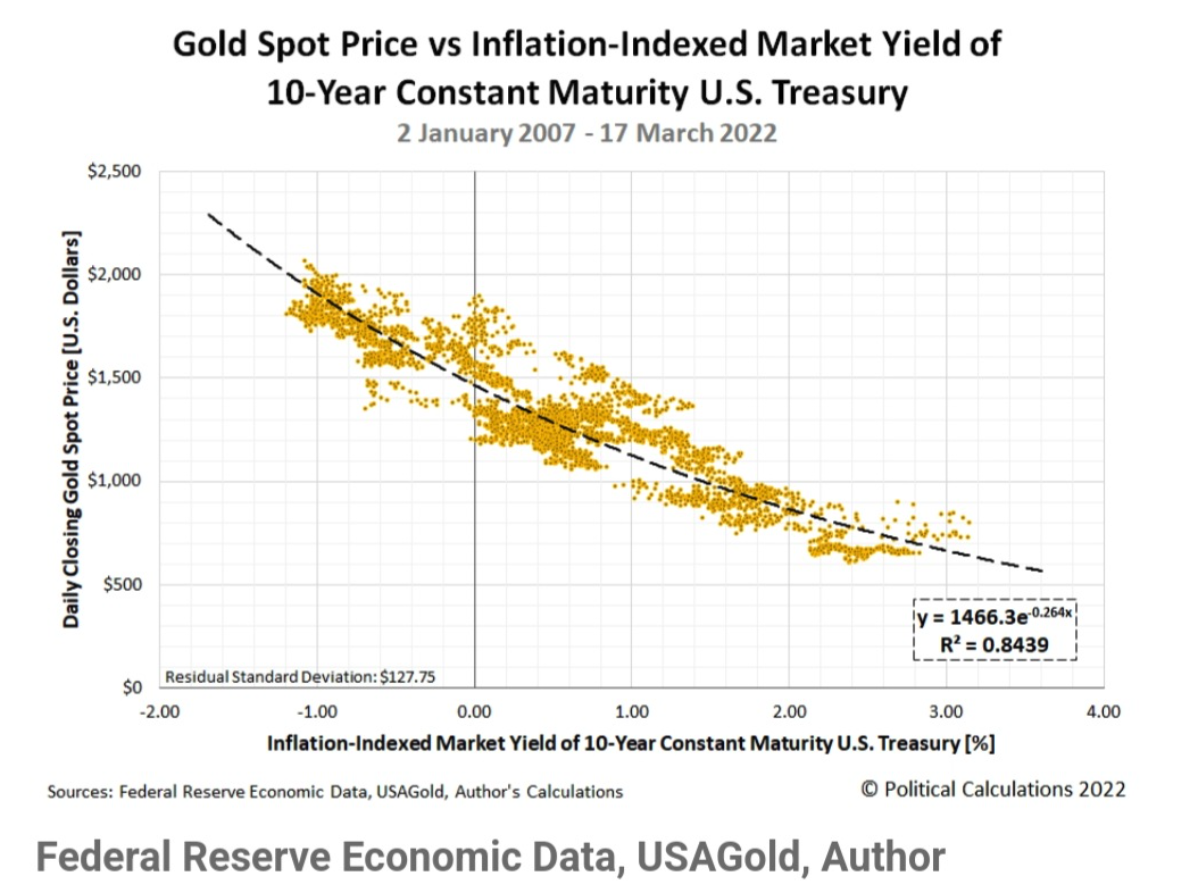
Chart

The second is the falling USD

A weak USD tends to be supportive for gold and silver and the rapid expectations of a Fed pivot have sent the USD sharply lower from Friday last week to the start of this one.
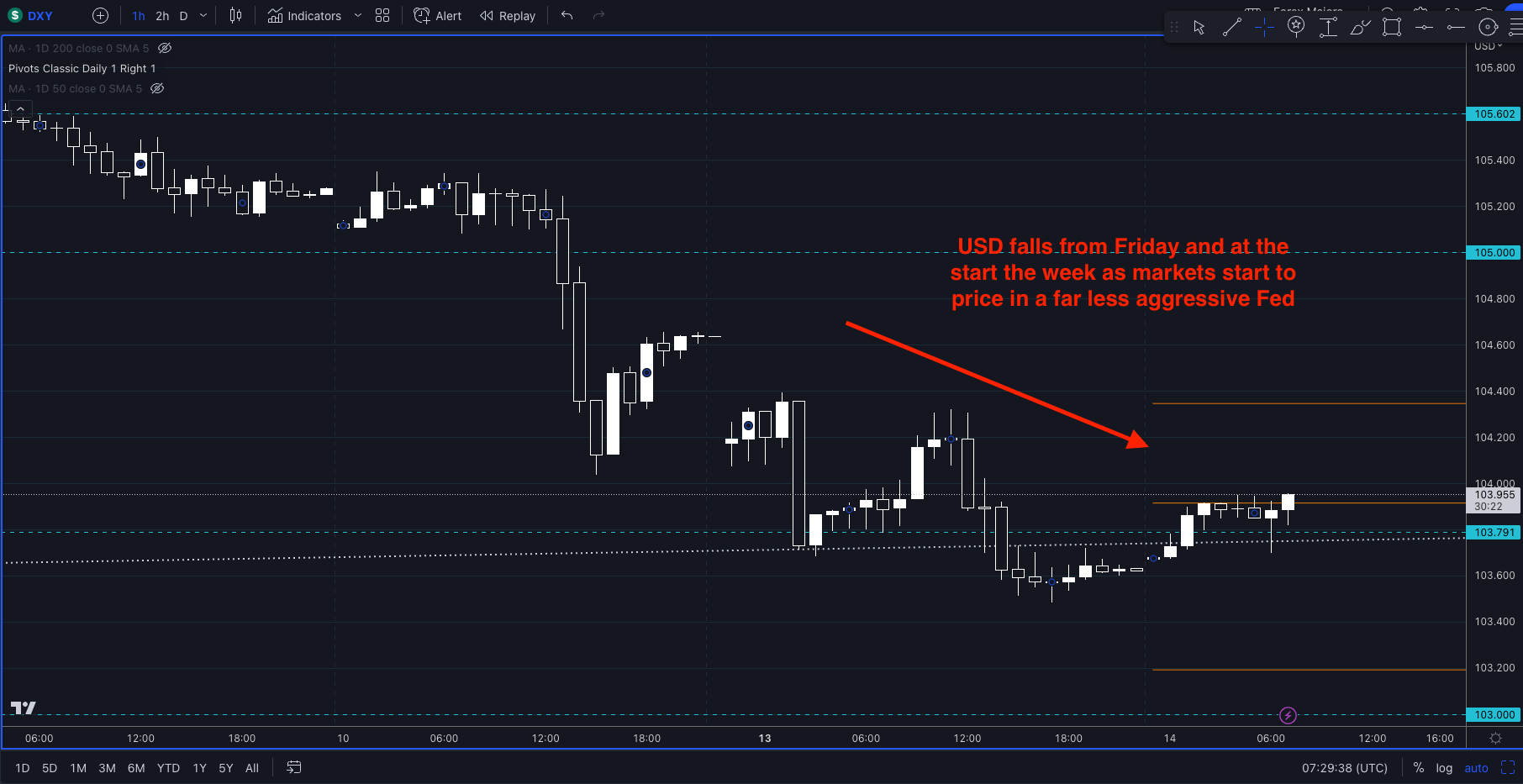
USD

The third is the Gold/Silver ratio

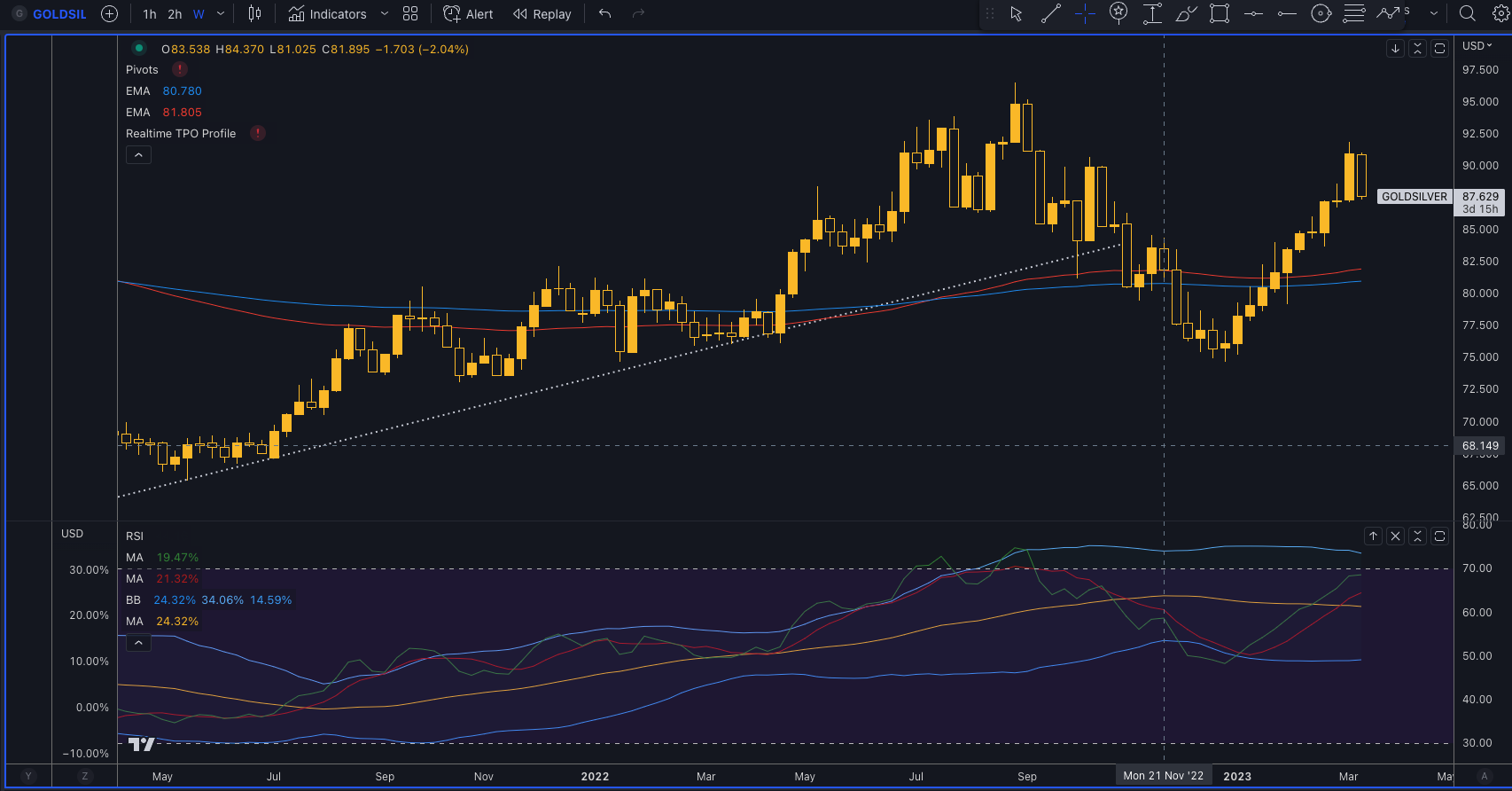
The outsized gains for silver vs gold were flagged with the gold-silver ratio pushing back above 90.
Chart

When the ratio is high it shows that silver is trading cheaper relative to gold. A big move higher in the gold/silver ratio can often flag a large move coming. Silver could well outperform gold if the falling yields and falling USD environment remain.

The Fed meets next week on Wednesday and traders will be keen to see whether it will start signaling a pivot in rates or not. These are uncertain times, so expect some volatility in asset classes, but the mood has turned very positive for buying gold and silver on the dips. However, the risk of more twists in the fallout from the SVB crisis remains very high.
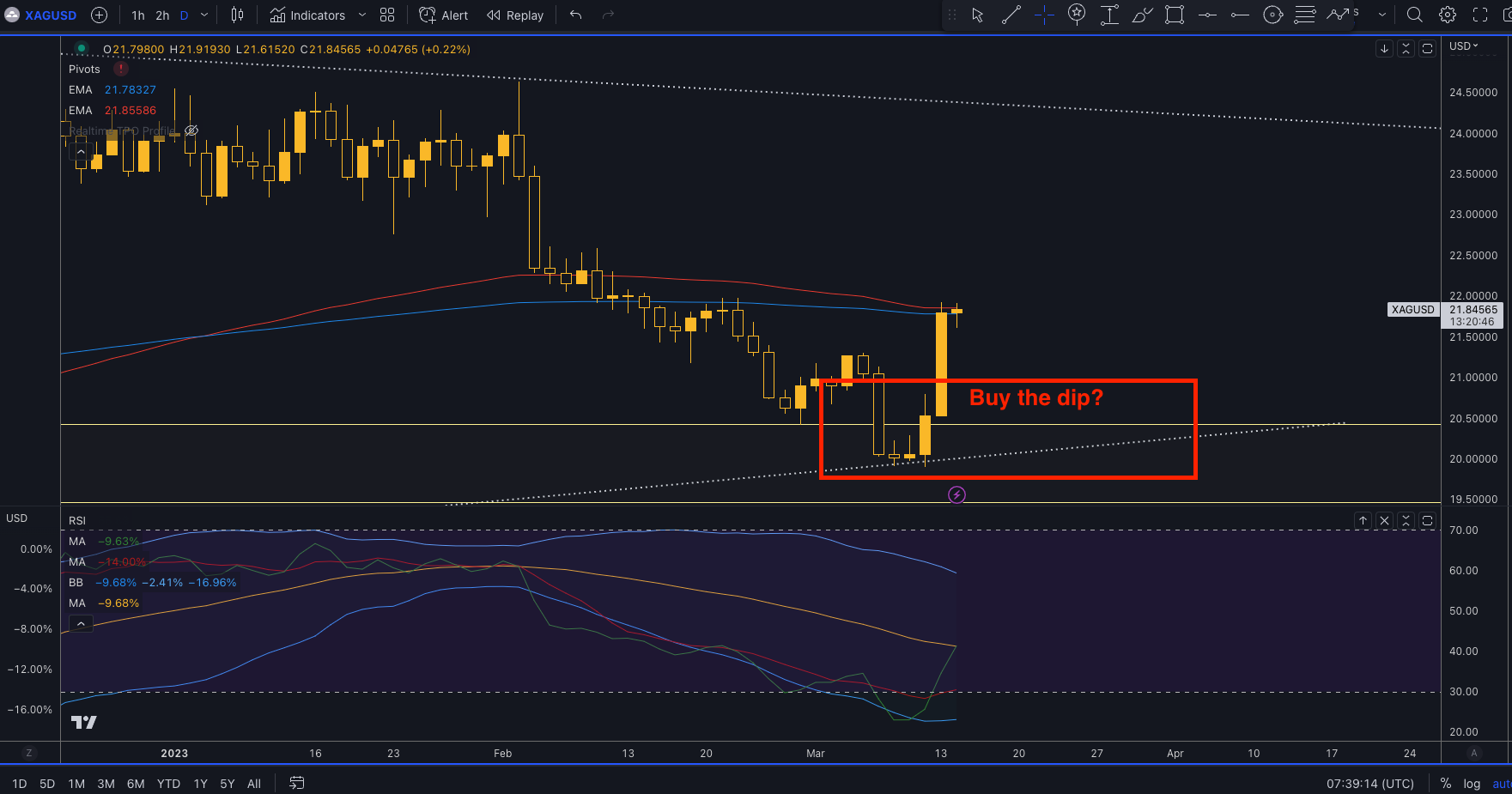
XAGUSD

Learn more about HYCM


Author

Giles Coghlan LLB, Lth, MA

Giles is the chief market analyst for Financial Source. His goal is to help you find simple, high-conviction fundamental trade opportunities. He has regular media presentations being featured in National and International Press.


More from Giles Coghlan LLB, Lth, MA
Share:

Editor's Picks

AUD/USD eyes 0.7150 barrier nine-day EMA

AUD/USD inches higher after registering modest losses in the previous day, trading around 0.7130 during the Asian hours. The technical analysis of the daily chart indicates that the pair is moving sideways within the rectangle pattern, suggesting a consolidation as neither the bulls nor the bears have enough momentum to take control of the market.

USD/JPY trades below 160.00 intervention threshold; bullish bias intact

The USD/JPY pair attracts some sellers during the Asian session amid fears that authorities will step in again to prop up the Japanese Yen. Furthermore, the Israel-Lebanon truce prompts some profit-taking around the US Dollar and exerts downward pressure on the currency pair.

Gold extends rebound to $4,500 as US yields edge lower

Gold (XAU/USD) preserves its recovery momentum following Wednesday's slide and tests the $4,500 mark in the second half of the day on Thursday. While US-Iran uncertainty remains, easing tensions between Lebanon on Israel seems to be helping the market mood improve, causing the USD to lose strength alongside falling US T-bond yields and opening the door for a decisive rebound in XAU/USD.

Bitcoin’s massive storm is back: Why the sell-off is far from over

Bitcoin price action over the last few weeks has felt less like a normal, healthy correction and more like a slow grinding crash that continues to wreak havoc on holdings and trading accounts. And everything suggests that the dramatic crash isn’t over.

Nonfarm payrolls: Testing the limits of Fed policy patience

The upcoming nonfarm payrolls report for May will provide the final update on the US labor market before Kevin Warsh attends his first policy meeting as the new Fed Chair later this month.

Recession on paper: What really moves the Canadian Loonie now?

Statistics Canada handed the headline writers a gift and the analysts a headache. Real GDP shrank 0.1% on an annualized basis in the first quarter, and with the fourth quarter of 2025 revised down to a 1.0% contraction, that is two negative quarters in a row, the textbook definition of a technical recession and Canada's first since the pandemic.