Should I stay or should I go?
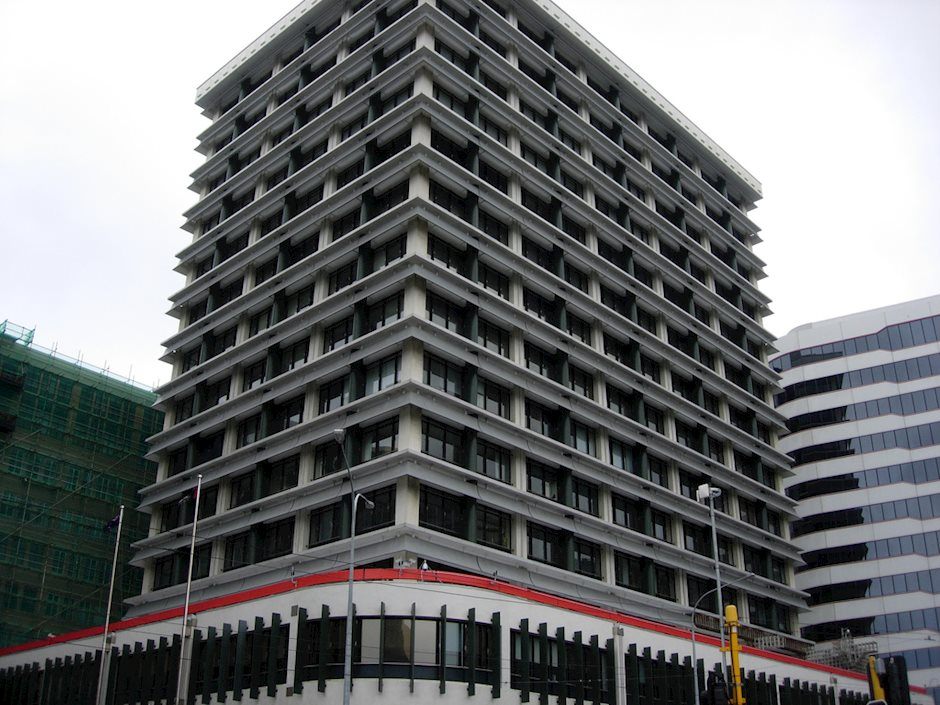

With the Reserve Bank's May policy decision coming into sight, the next move in the Official Cash Rate remains a close call. We continue to expect a May rate cut. That's supported by the continued low level of inflation and softness in business sector indicators. However, the longer-term outlook for the economy is looking less worrying than it did a few months ago, especially given the recent news that there won't be a capital gains tax. That could have an important bearing on the RBNZ's thinking.
Inflation in New Zealand remains subdued. The March quarter Consumers Price Index revealed that inflation has slowed from 1.9% at the end of 2018 to 1.5% now. That was a little below our own and the RBNZ's forecast for a 1.6% result. Much of the decline in inflation was due to falls in petrol prices. But even smoothing through the normal quarter-to-quarter volatility, measures of the underlying trend in prices point to inflation of 1.5-1.7% – still short of the RBNZ's 2% medium-term target. In fact, inflation has essentially remained below 2% for the past seven years.
This ongoing softness in inflation is obviously of concern to the RBNZ. Even with the Official Cash Rate at a record low, domestic demand hasn't been strong enough to generate the pickup in inflation that they've been looking for. On top of that, some near-term indicators of business sector activity, including last week's Performance of Services Index and other recent surveys, are pointing to a cooling in growth through the first half of 2019.
Those concerns, along with nervousness around the global backdrop, saw the RBNZ shift its stance at the time of its March policy decision. In March, the RBNZ noted the next move in the cash rate was more likely to be down. That was a significant dovish lurch from its comments in previous months when it noted that the next move in the OCR could be up or down.
Author
Westpac Institutional Bank Team
Westpac Institutional Bank