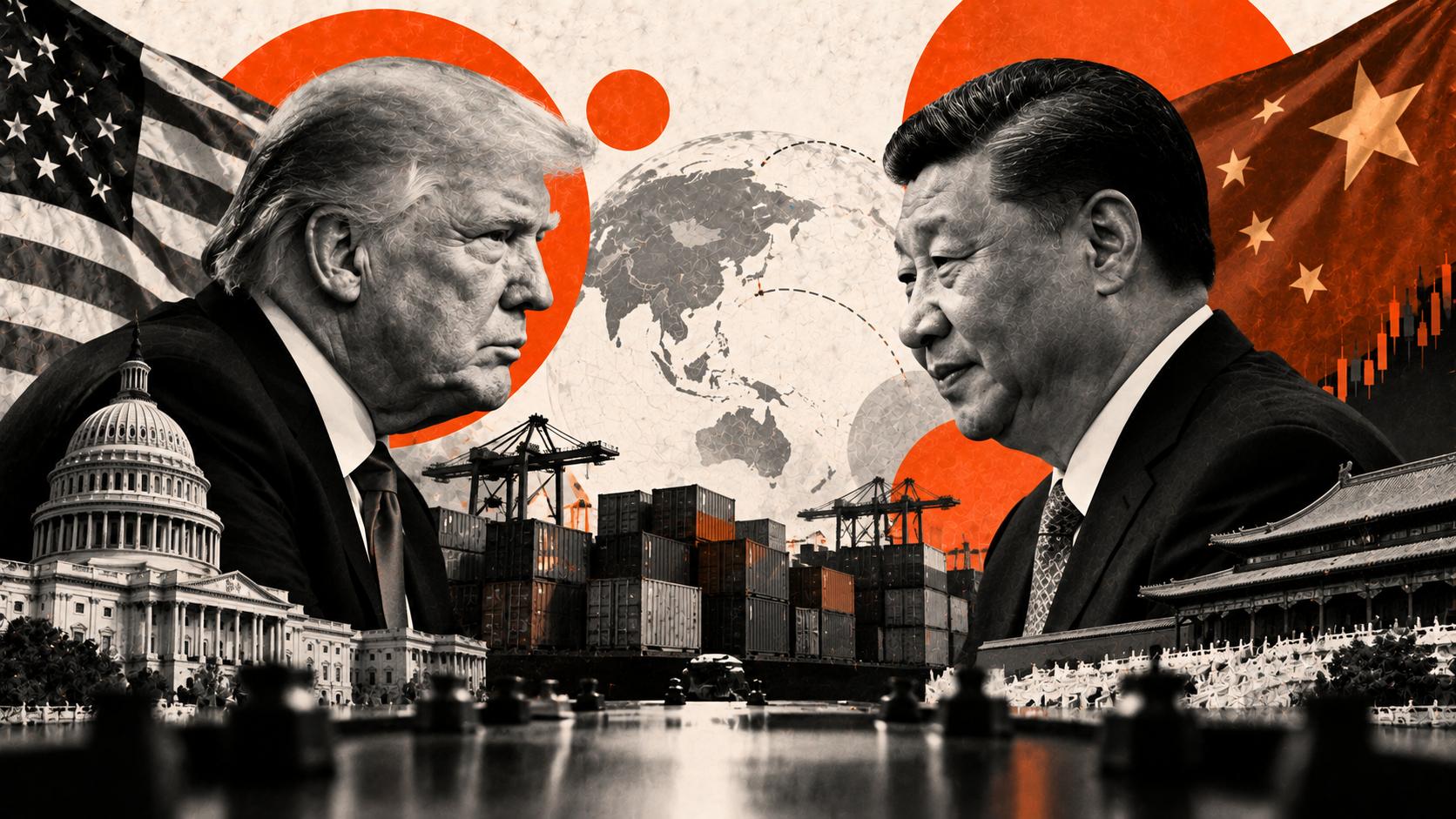
US election risk and the markets blind spots

In the Middle East, Hamas has accepted a ceasefire proposal from Qatar and Egypt, but the Israeli government has not acknowledged it. While this development carries significant humanitarian implications, its direct impact on the market seems limited, with only a slight increase in oil prices observed. This is largely due to the perceived weaker US demand remaining the current driver of oil price movements.
However, looking ahead, there may be broader political implications, especially given the divisive nature of the issue in the United States. With Republican and Democratic party conventions approaching in July and August, this matter could become a focal point of discussion, potentially influencing political dynamics both domestically and internationally.
US equities face two significant "unpriced" risks: domestic politics and legal proceedings against tech monopolies.
Regarding domestic politics, volatility markets appear to be underestimating the risk of an inconclusive election result or potential societal upheaval in the event of a Trump loss. This presents a notable blind spot in market pricing.
Similarly, legal actions against America's tech giants pose a risk that has yet to be fully incorporated into market valuations. Despite ongoing legal proceedings, there is little evidence to suggest that the threat of antitrust action is impacting multiples in the tech sector. Even though lawsuits have been filed and one has gone to trial, analysts seem relatively unconcerned about the potential consequences of increased regulatory scrutiny on Big Tech.
One possible outcome of heightened regulatory attention is a reduction in prospective growth for tech companies. Measures such as curbing market share, limiting pricing power, and blocking mergers could be imposed by regulators. However, there is minimal indication that company analysts are factoring these risks into their forecasts. Despite the potential implications, analysts have not significantly adjusted their sales and earnings estimates in anticipation of regulatory intervention.
Author

Stephen Innes
SPI Asset Management
With more than 25 years of experience, Stephen has a deep-seated knowledge of G10 and Asian currency markets as well as precious metal and oil markets.