Wall Street Close: Stocks rally aggressively into the close, S&P 500 back close to ATHs
- US equity markets saw an aggressive rally into the Friday close, with the S&P 500 now back close to ATHs.
- US data was largely ignored, with investors reverting to default bullishness on the prospects for the US economic recovery.
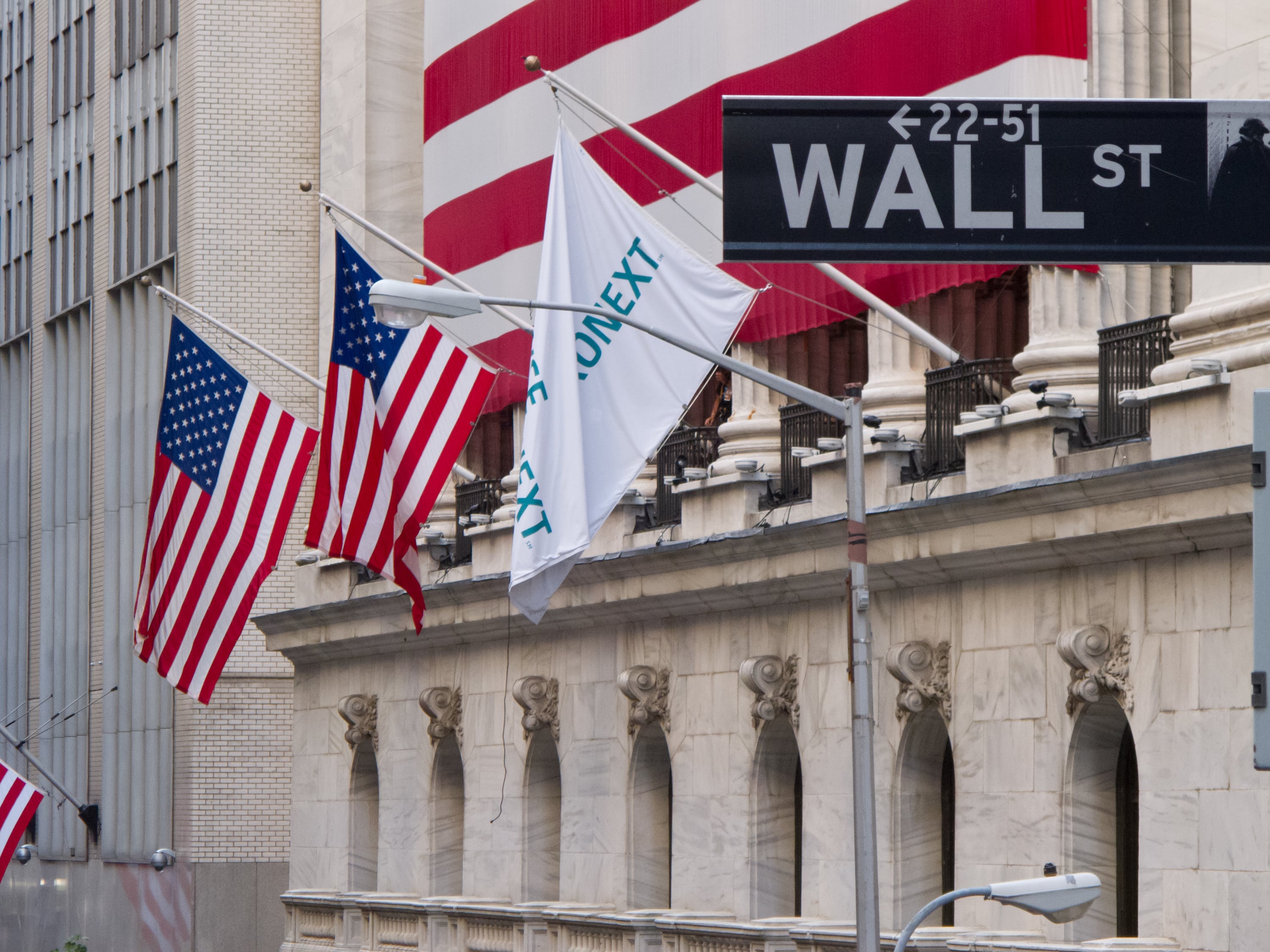
US equity markets were seemingly panic bought into Friday’s close, with the S&P 500 rallying nearly 40 points from the 3930s to the 3970s (only roughly 20 points away from all-time high levels set last week) in the final hour of trade. The scintillating rally meant that the S&P 500 ended the session up 1.7%, meaning the index closed the week with gains of close to 1.6%. The Dow and Nasdaq 100 also posted strong session, gaining 1.4% and 1.6% respectively, while small-cap Russell 2000 rose 1.8%. The CBOE Volatility index dropped another vol on the day to close at 18.83, erasing a momentary mid-session spike that saw it surge as high as 21.50.
In terms of the GICS sectors, there weren’t any clear outperformers. There were clear underperformers though, with utilities performing poorly on account of its classically defensive bias and Consumer Discretionary (+0.8%) and Communications Services (-0.3%) suffering amid downside in Tesla (-3.4%) and Google (-0.4%). Meanwhile, bank stocks performed well after the Fed announced that it would lift income-based restrictions on bank dividends and share buybacks for “most firms” in June following the next round of stress tests.
Driving the day
It was a relatively light session in terms of news flow and, given the end result with stocks finishing the session highs, there did not seem to be any of that widely touted quarter-end selling that a number of desks have been calling for. US data was also largely ignored, but for the reference; Personal Income dropped 7.1% in the month of February, roughly in line with expectations as the boost from the $600 stimulus cheques petered out. Personal Spending also saw a 1.0% MoM drop, a little larger than the expected 0.7% MoM drop. Capital Economics note that poor weather also contributed to the declines. Looking forward to March, the economic consultancy expects both metrics to pick up substantially as a result of the recently dispersed $1400 stimulus cheque, as well as amid better weather. Capital Economics expects overall consumption growth of close to 10% in Q1 2021.
Meanwhile, the Fed’s favoured measure of inflation Core PCE dropped unexpectedly to 1.4% YoY in February from 1.5% in January, but most still expect the April and May numbers to show big YoY increases as a result of weak base effects (reflecting the negative impact on prices of the first lockdown). Finally in terms of the US data; the final version of the University of Michigan’s consumer survey was better than expected, with the headline Consumer Sentiment index rising to 84.9 versus forecasts for a reading of 83.6.
As to why stocks were so intent on rallying on Friday; no specific fundamental reason stands out, but Fed officials have been sounding bullish on the prospects for the US economic recovery all week, but have been playing down inflation concerns – essentially, they continue to signal their desire to let the economy run hot and not do anything about it (a sweet spot for stocks). US President Joe Biden and US Treasury Secretary Janet Yellen both also sounded bullish on the recovery, with the former announcing his new target to get 200M Covid-19 vaccines in arms within his first 100 days in office.
With all this bullishness on the US economy, US equity market investors are perhaps right to shrug off third Covid-19 wave concerns in Europe and elsewhere that have emerged this week, as well as heightened geopolitical tensions with China, Russia, North Korea, and the Middle East – none of that is going to hurt the US economy in the coming year (so goes the thinking), so why sell stocks based on that news.
Author

Joel Frank
Independent Analyst
Joel Frank is an economics graduate from the University of Birmingham and has worked as a full-time financial market analyst since 2018, specialising in the coverage of how developments in the global economy impact financial asset