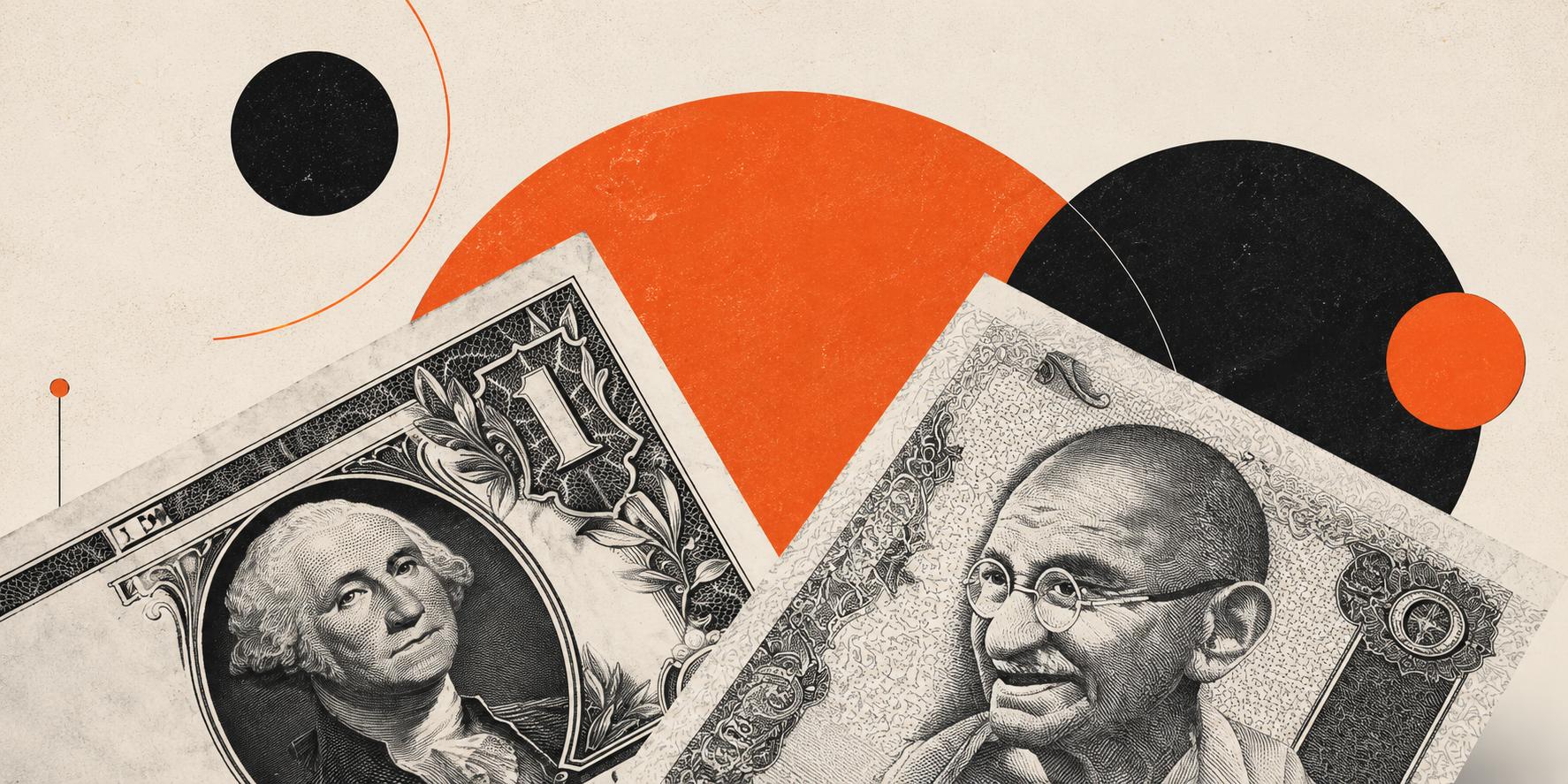
USD/INR Price News: Indian rupee stays weaker above 74.00 even as US yield curve flattens
- USD/INR reverses Friday’s pullback from late April lows.
- US dollar remains firmer amid Fed rate-hike, tapering concerns.
- RBI’s push for more reserves for trade exerts additional downside pressure.
- Fedspeak, Chicago Fed National Activity Index and Indian Balance of Payment eyed.

USD/INR bulls keep reins around 74.25, up 0.16% intraday, amid the initial Indian trading session on Monday. The Indian rupee (INR) pay stepped back from a two-month top the previous day amid market consolidation and improving covid conditions in India. However, fears of the Fed’s monetary policy adjustments keep the pair buyers hopeful.
Following the US Federal Reserve’s (Fed) hawkish performance the last Wednesday, St. Louis Fed President James Bullard became the first independent US banker to back the rate hike views on Friday. The non-voting member of the Federal Open Market Committee (FOMC) forecasted Core PCE at 3.0% for 2021 and 2.5% for 2022 while backing the tapering to start next year.
Even so, the US dollar index (DXY) marked the heaviest weekly jump in three months, currently around 92.30.
Although the fears of the Fed’s action propel the greenback bulls, the recent slump in the US Treasury yields probes the DXY upside. The US 10-year Treasury yield drops six basis points (bps) to 1.389%, the lowest in four months whereas the 30-year bond yield extends the previous two-day south-run to the mid-February lows, near 1.96% by the press time.
Read: US Treasury yields drop to early 2021 levels during three-day downtrend
Also challenging the USD/INR bulls could be the recent recovery in India’s coronavirus (COVID-19) conditions. As per the latest numbers from the Health Minister, conveyed by Bloomberg, “India reports 53,256 daily rises in coronavirus infections, lowest since March 24, taking total to 29.94 million.”
On the same line could be the Reserve Bank of India’s (RBI) rush to escalate the foreign exchange reserve to favor international trade. As per the latest monthly bulletin of RBI, India became the world’s fifth-largest reserve holding currency with $600 billion forex reserves, which further rose to $608.08 billion on June 11. While conveying the news, RBI also signaled, indirectly, of its move to escalate the reserve as saying, “This (forex reserves) will still cover less than 15 months of projected imports, against Switzerland's 39 months, Japan's 22 months, Russia's 20 months, and China's 16 months.
Given the lack of major data and mixed catalysts, USD/INR may remain mildly bid around 74.30-25 ahead of the Chicago Fed National Activity Index for May, prior 0.24, as well as a speech from New York Fed President John C. Williams. Also in the pipeline is India’s Trade Deficit and Balance of Payment (BOP) data for Q1 2021.
Technical analysis
USD/INR bulls need a clear break of 74.30 to keep the recent upside momentum, else a pullback towards the 74.00 and then to 50-day SMA near 73.68 can’t be ruled out.
Author

Anil Panchal
FXStreet
Anil Panchal has nearly 15 years of experience in tracking financial markets. With a keen interest in macroeconomics, Anil aptly tracks global news/updates and stays well-informed about the global financial moves and their implications.