|

USD/CNH: PBoC may continue to restraint the RMB – OCBC
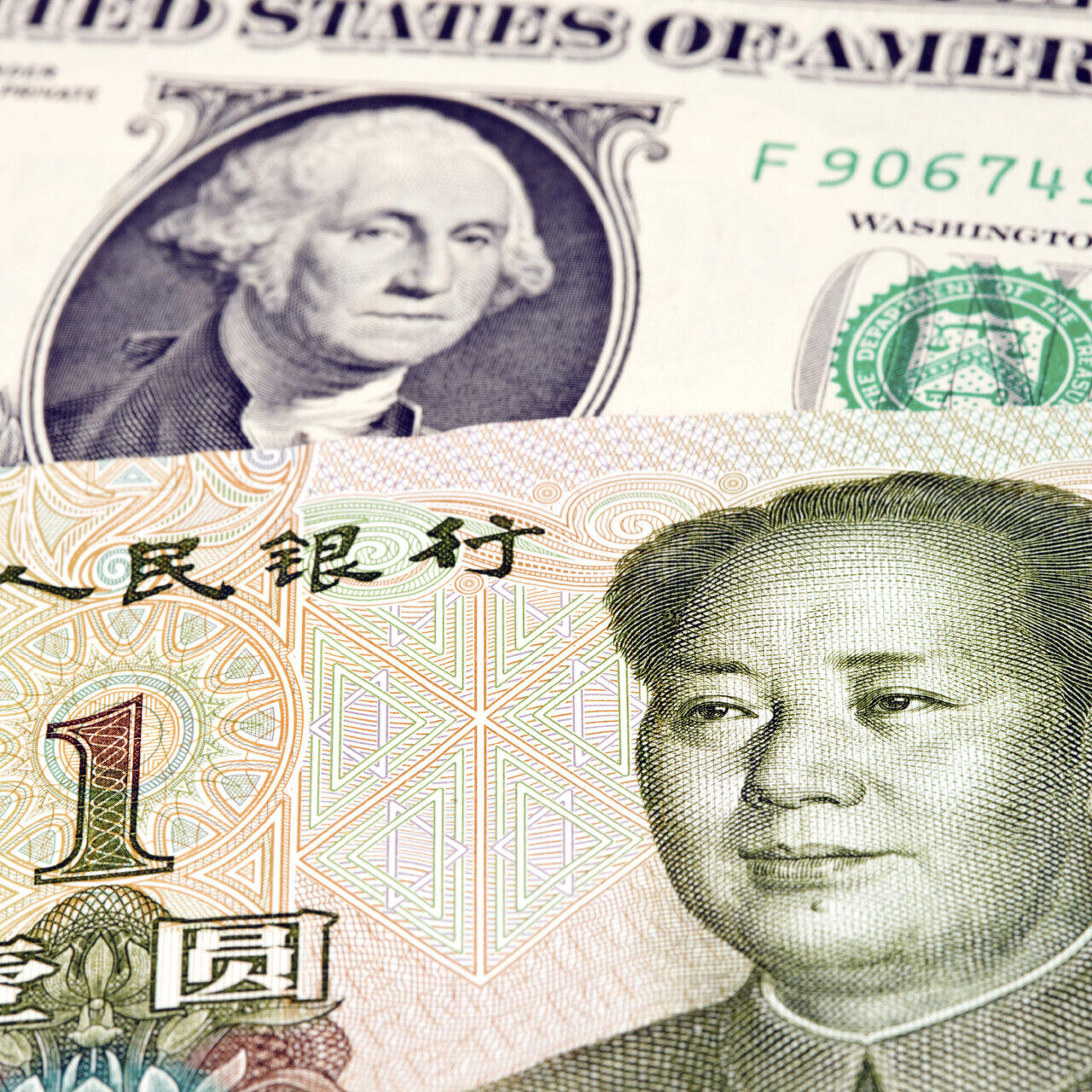
USD/CNH eased as policymakers continued to keep the daily fix under 7.20. In fact, the CNY fix was even set stronger at 7.1934 than the day before (at 7.1996). Pair was last at 7.2838, OCBC’s FX analysts Frances Cheung and Christopher Wong note.

CNH may still trade under pressure

“Fixing pattern suggests that PBoC is doing whatever it takes to restraint the RMB from over-weakening after the initial round of knee-jerk depreciation post-US election outcome. That said, tariff headlines served as a constant reminder that wider tariffs could soon hit when Trump comes on board officially in Jan2025. PBoC may continue to restraint the RMB from excessive weakening via daily fix, but likely they may have to deploy offshore funding squeeze (if need arises) to ensure more effective transmission.”

“CNH may still trade under pressure expectations for further rate cuts at home while economic recovery remains uneven. Caixin services PMI was weaker than expected while manufacturing PMI was stronger than expected. Housing market has also showed very mixed signs of stabilisation. While there may be other stimulus support measures to support the domestic economy, these are at best mitigating factors only.”

“Meantime the bias for RMB may be skewed towards further weakening (notwithstanding some short-term technical correction). Daily momentum is mild bullish while RSI shows signs of turning from near-overbought conditions. Corrective pullback not ruled out. Support at 7.2745 and 7.2440 (21 DMA). Resistance at 7.32, 7.3450 levels.”

Author

FXStreet Insights Team

The FXStreet Insights Team is a group of journalists that handpicks selected market observations published by renowned experts. The content includes notes by commercial as well as additional insights by internal and external analysts.


More from FXStreet Insights Team
Share:

Editor's Picks

AUD/USD stays bid above 0.7100 on Australian trade data, Mideast optimism

AUD/USD clings to minor recovery gains above 0.7100 in the Asian session on Thursday as a new Israel-Lebanon ceasefire keeps a lid on the safe-haven US Dollar. Meanwhile, strong AustralianTrade Balane data also help the Aussie pair sustain the bounce from weekly lows.

USD/JPY hovers near the 160.00 intervention threshold on Mideast tensions

USD/JPY struggles to find acceptance above 160.00 and retreats from a one-month high in the Asian session on Thursday amid fears that authorities will step in again to prop up the Japanese Yen. Furthermore, a new Israel-Lebanon ceasefire caps the US Dollar and supports the currency pair. However, renewed US-Iran tensions keep the downside limited in the Greenback and the pair.

Gold rebounds from one-week low as Israel-Lebanon truce pressures safe-haven USD

Gold gains some positive traction on Thursday and climbs to the $4,475 area during the Asian session, reversing a major part of the previous day's slide to a one-week low. The Israel-Lebanon truce prompts some profit-taking around the US Dollar and supports the commodity. 


Ethereum: Long-term holders' capitulation drives ETH below $1,800

Ethereum has fallen below $1,800 on Wednesday, the first time since May 2025 following accelerated spot selling pressure and distributions from long-term holders. The Age Consumed metric, which tracks the movement of previously idle tokens or long-term holders' coins, spiked over the past two days as prices declined, indicating increased selling activity among this cohort.

Kevin Warsh takes the Fed helm: What it means for the US Dollar
The Federal Reserve moves away from the highly predictable "forward guidance" model of the Jerome Powell era to a new “Kevin Warsh environment”, characterized by less communication, more policy surprises, and an increased focus on the Fed's complex balance sheet.
Recession on paper: What really moves the Canadian Loonie now?

Statistics Canada handed the headline writers a gift and the analysts a headache. Real GDP shrank 0.1% on an annualized basis in the first quarter, and with the fourth quarter of 2025 revised down to a 1.0% contraction, that is two negative quarters in a row, the textbook definition of a technical recession and Canada's first since the pandemic.