US: what to expect from the trade deadline this week - Nomura
- US poised to impose initial round of tariffs
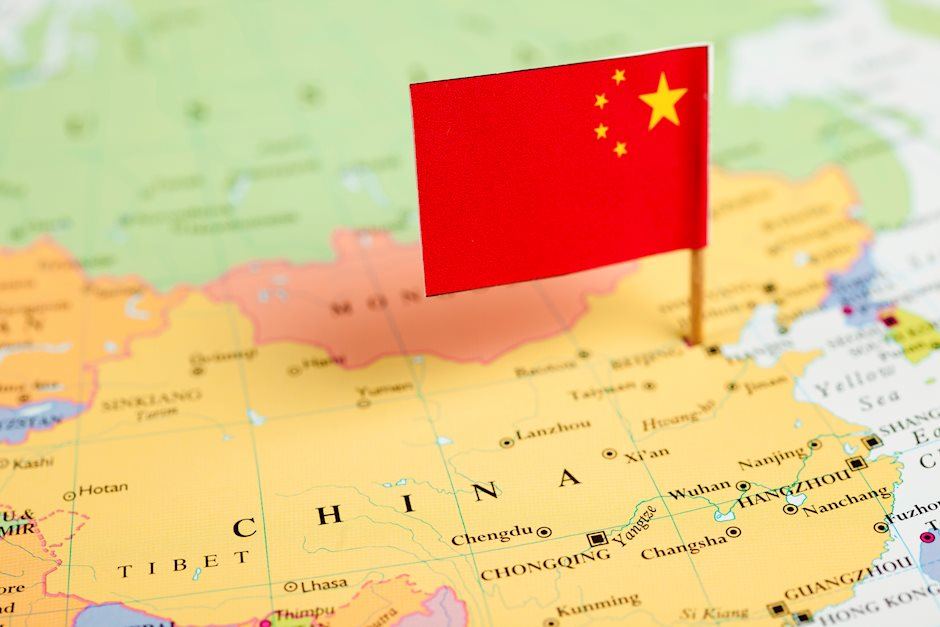

Analysts at Nomura explained that the US faces a deadline of 15 June (Friday) for releasing an updated list of $50bn in Chinese imports that will be subject to a 25% tariff. This note provides background and outlines some possible implications of Friday’s announcement.
Key Quotes:
What’s happening on 15 June?
"On 29 May, the Trump administration announced a self-imposed 15 June deadline for finalizing the list of $50bn in imports from China that will be subject to a 25% tariff as part of the ongoing Section 301 investigation into China’s intellectual property (IP) practices.1 The statement said that tariffs will be imposed “shortly thereafter.” It appears increasingly likely that the administration will impose the initial round of tariffs either on Friday or early next week, likely resulting in an immediate and proportional response from China. How large are the tariffs and what imports and exports will they affect? Based on the initial list from the US, the tariffs will primarily target imports of machinery, mechanical appliances and electrical equipment (Figure 1). The retaliatory list from China focuses on US exports of transportation (vehicles, aircraft and vessels) and agricultural products (Figure 2). From a macroeconomic perspective, the tariffs are unlikely to have a material impact. The combined amount of revenue raised by the tariffs will be roughly $25bn or 0.1% of GDP
The main risks to the outlook from these tariffs, barring further escalation, involve business confidence and financial conditions. Business confidence retreated in April as businesses struggled to interpret US trade announcements on imports of steel and aluminum and the Section 301 China investigation. While confidence rebounded in May, as trade tensions cooled somewhat, the recent imposition of tariffs on imports of steel and aluminum from the EU, Canada and Mexico, combined with the initial tariffs on China and subsequent retaliation, could result in business confidence deteriorating over the near term.
What are the possible outcomes on Friday after announcing the final list?
- 1. Base case: The US imposes the tariffs almost immediately, either on Friday or early next week. China responds proportionately and both countries take a pause to let negotiations continue.
- 2. Worst case: The US imposes the tariffs almost immediately, either on Friday or early next week. China responds proportionately and the US decides to respond aggressively by going after the additional $100bn in imports from China that President Trump mentioned a few months ago.
- 3. Best case: The US delays imposing the tariffs to give more time for negotiations.
We think the most likely outcome will involve the US imposing the initial round of tariffs and a subsequent response from China before both countries pause to let negotiations continue. However, there remains a material risk that the Trump administration escalates the trade conflict further by imposing additional tariffs on Chinese imports in response to the initial retaliation from China. This situation poses the largest risk to the economic outlook as it could involve a spiral of escalating tariffs.
Why might the administration feel emboldened to levy the tariffs?
In preparation for the US-North Korea summit, Secretary of State Pompeo asked White House trade policy advisors to tone down their aggressive approach towards China (source: FT). With the summit behind us, officials may now feel less encumbered by foreign policy matters and could push ahead with the proposed tariffs. Moreover, as shown at the recent G7 summit and with the recently imposed steel and aluminum tariffs on imports from the EU, Canada and Mexico, President Trump appears to be taking a more antagonistic approach towards US trade policy, in contrast with his first year in office which was largely characterized by major policy announcements that were watered down later. Finally, targeting imports from China could resonate with President Trump’s political base, likely gaining importance as the November midterms draw closer.2
What are some reasons that the administration might delay imposing the tariffs?
Recently some members of Congress launched initiatives to reassert some authority over US trade policy. This includes proposed legislation to thwart the Commerce Department’s ZTE deal and Senator Corker’s bill that would restrict the President’s Section 232 authority. The Trump administration may tone down its aggressive approach towards China in order to discourage such legislation. In addition, the economic drag from an escalating trade war with China could be material. Finally, the US-North Korea summit, which the administration has touted as a successful initial first step, could result in additional goodwill between the US and China. Moreover, a proposal by China to purchase additionally about $70bn worth of US agricultural and energy-related goods could make the US defer the implementation of new tariffs on Chinese goods.
What other deadlines are there to watch out for?
In addition to the 15 June deadline for the final product list, the White House announced a 30 June deadline for listing the proposed investment restrictions and export controls “for Chinese persons and entities related to the acquisition of industrially significant technology.” The investment restrictions have so far received less attention, but could be similarly disruptive to US-China relations and by prompting retaliation from China. In addition, while the US reached an agreement with the Chinese telecommunications manufacturer ZTE, legislation currently in Congress could derail the deal by retroactively limiting the President’s authority to lift previous ZTE sanctions. While the prospects for that legislation remain uncertain, it will be worth monitoring going forward. Were the bill to pass, with re-imposed restrictions on ZTE, it could mark another strain in US-China relations."
Author
Ross J Burland
FXStreet
Ross J Burland, born in England, UK, is a sportsman at heart. He played Rugby and Judo for his county, Kent and the South East of England Rugby team.