US President Donald Trump: Canada and Mexico tariffs to start February 1
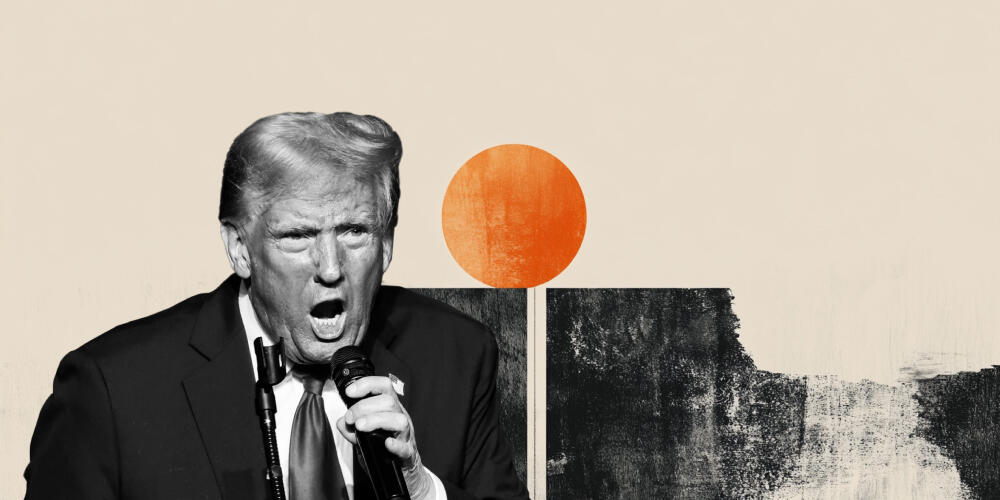
United States (US) President Donald Trump ran through a long list of grievances while delivering his remarks during the World Economic Forum hosted in Davos, Switzerland on Thursday. President Trump reiterated his concerns that the US' trade deficit with Canada, which amounts to 4% of the US' total trade imbalance, is unsustainable. President Trump also floated tax cuts for US businesses, asking the Organization of the Petroleum Exporting Countries (OPEC) to lower Crude Oil prices, and re-floated his ongoing threats of ambiguous, sweeping tariffs on US imports from other countries. President Donald Trump also took the opportunity to remind everyone at Davos that he will single-handedly deliver extreme tax cuts while simultaneously shrinking the US spending deficit, and also vowed to attempt to subvert the operational independence of the US Federal Reserve (Fed).
President Trump also spoke later on Thursday, reiterating tariffs on Canada and Mexico to begin on February 1.
Key highlights
US has largest amount of oil and gas of any country and we are going to use it.
US House and Senate will pass tax-cut measures.
Congress will pass the largest tax cut in American history.
I will ask OPEC to lower oil prices.
I will ask Saudi's MBS for $1 trillion in investments.
I will demand lower interest rates.
I'm asking NATO nations to increase defense spending to 5% of GDP.
EU tariffs make it very difficult to bring products into Europe.
I will do something about the trade deficit with the EU.
We need double the energy we have in the US for AI to be as big as we want it.
I will bring the corporate tax rate to 15% if the product is made in the US.
We can't continue current trade deficit levels with Canada.
I want to obliterate US debt, which will happen rapidly.
I will meet Putin soon to end the war in Ukraine.
I see US-China relationship being very good.
More Trump highlights:
I expect the Fed to listen to me on interest rates.
I’m not sure we should be spending anything on NATO.
I'm signing action related to AI.
Trump signs action to form internal working group on Crypto.
Trump reiterates February 1st date for Canada and Mexico tariffs.
Trump's crypto working group to study a US digital asset stockpile.
Author

Joshua Gibson
FXStreet
Joshua joins the FXStreet team as an Economics and Finance double major from Vancouver Island University with twelve years' experience as an independent trader focusing on technical analysis.
















