US Coronavirus Delta spike: The caveat to US dollar strength and the Fed's max employment goal
- US dollar rallies despite the alarming rate of coronavirus Delta spreading in the US.
- US president Biden to address the nation on Thursday with plans to curb the epidemic.
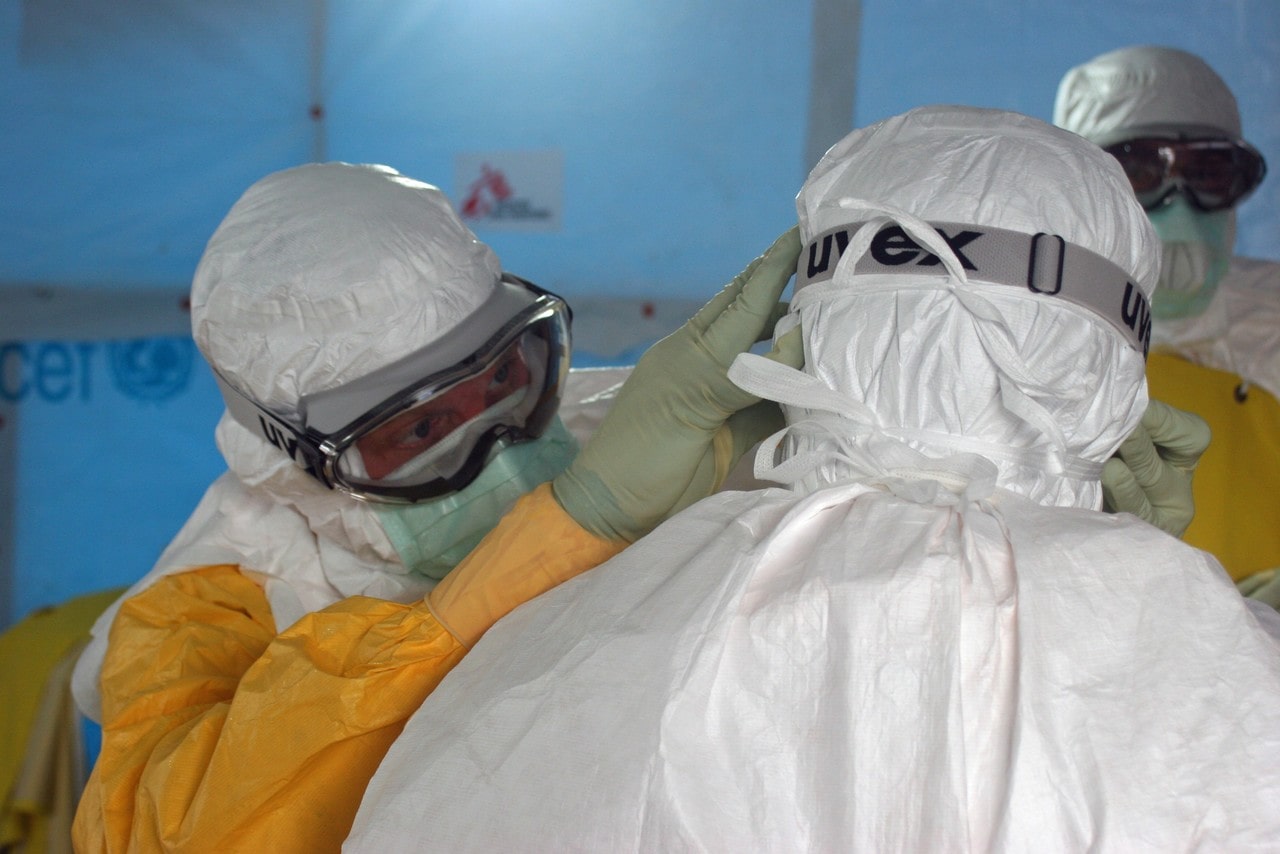
While the US dollar is strong at the start of the week, (DXY is up today for the first time after six straight down days and has recouped its post-NFP losses to trade near 92.50), it walks a tight rope above the abyss.
It all boils down to the Federal Reserve's caution over the spread of the highly contagious Delta coronavirus variant and its effect on consumer confidence and the central bank's goal of reaching maximum employment.
On Friday, the US printed a terrible miss of expectations in the Nonfarm Payrolls jobs market data. This followed the worst Consumer Confidence data from August in over six months at what was through to be the peak of new cases and deaths.
However, cases have continued to rise and there are no signs of an apex in the nation's epidemic.
The population has just enjoyed a national holiday and it is feared that this will cause a spike in new cases.
Nationwide, the number of covid-19 patients in hospitals has more than doubled since Labor Day last year, from 38,192 on Sept. 7, 2020, to 99,270 by Sept. 6, 2021,'' per data reviewed by The Washington Post and published by the news agency today.
''It is an illustration of how the delta variant has hampered progress in curbing the pandemic even as vaccines became widely available,'' The Washington Post wrote.
The US has recorded roughly 650,000 COVID-19 deaths and last week exceeded 40 million cases.
Reuters data shows that more than 20,800 people have died in the United States from COVID-19 in the past two weeks, up about 67% from the prior two-week period.
''Hospitalizations have grown, with seven US states - Alaska, Georgia, Hawaii, Idaho, Kentucky, Tennessee and Washington - reporting records this month,'' the news agency reported.
Vaccinations are key
As the Delta variant surge continues throughout much of the U.S., there has been a renewed effort to jump-start the country’s stalled vaccination program.
Here’s the latest data, updated on Sept. 7 (Source: medical Economics):
- Positive tests: 40,018,318.
- Patient deaths: 648,998.
- Total vaccine doses distributed: 450,175,825.
- Patients who've received the first dose: 206,908,710.
- Patients who’ve received the second dose: 175,968,266.
- % of the population fully vaccinated: 53%.
This data represents three-quarters of adults in the United States that have received at least one dose of the coronavirus vaccine as of Tuesday, according to tracking by The Washington Post.
''As the country headed into Labor Day, 74.9 percent of people 18 and older had received at least their first shot, The Post’s data shows. On Tuesday, the White House said an additional 1.5 million doses were administered over the holiday weekend, pushing adult vaccinations to 75 percent.,'' the Washington Post wrote on Tuesday.
Another reason to take stronger measures to control the spread of the virus is to reduce the risk that another, more dangerous, variant will arise.
“The biggest concern is that when the coronavirus is allowed to spread from person to person, there is a risk that the virus will mutate into a form that is no longer susceptible to the immune protection generated by the vaccines,” said Dr. Lewis S. Nelson, professor and chair of emergency medicine at Rutgers New Jersey Medical School.
Meanwhile, President Joe Biden on Thursday will present a six-pronged strategy intended to fight the spread of the highly contagious coronavirus Delta variant and increase US COVID-19 vaccinations, the White House said on Tuesday.
White House spokeswoman Jen Psaki told reporters that he will lay out the six-pronged strategy "working across the public and private sectors to help continue to get the pandemic under control."
"We need to continue to take more steps to make sure school districts are prepared and make sure communities across the country are prepared," Psaki added.
On Wednesday, Biden is scheduled to meet with White House COVID-19 advisers.
DXY technical & fundamental analysis
Meanwhile, the US dollar is enjoying a positive correction at the start of this week and has moved back into positive territory, despite the risks pertaining to Delta.
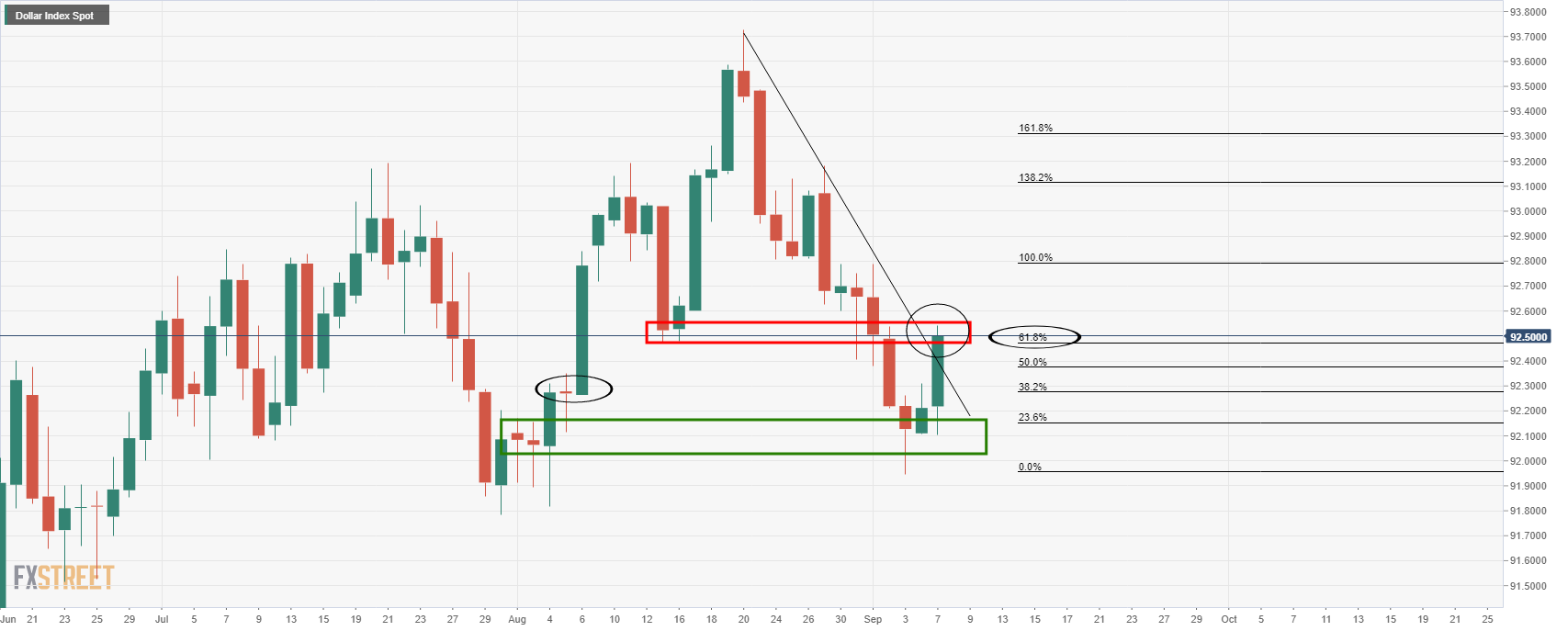
The price has broken into critical resistance and has even priced the dynamic trendline resistance.
Should the price break higher, closing beyond a 61.8% Fibonacci on a daily closing basis, then the bulls will be well and truly in the driver's seat.
However, the caveat is how well the vaccination programme goes in the US between now and the next series of months of jobs data this final quarter.
Should there be little improvement in Consumer Confidence nor headway towards the Fed's maximum employment goals, then there will be little chance of a Fed taper this side of 2022.
In such a scenario, the US dollar could lose out to other nations where headway has been made towards tapering of their QE programmes leaving the US dollar vulnerable to the downside.
This week's European Central Bank meeting will be critical in this regard. A hawkish surprise could boost the euro and subsequently weigh on the DXY which is heavily weighed against the single currency.
In doing so, the DXY will be back looking into the abyss ahead of the next Fed meeting later this month.
Author

Ross J Burland
FXStreet
Ross J Burland, born in England, UK, is a sportsman at heart. He played Rugby and Judo for his county, Kent and the South East of England Rugby team.