Taiwan Semiconductor Earnings and Forecast: TSM stock advances after beating EPS, missing Q4 revenue consensus
- Taiwan Semiconductor produces record EPS above Wall Street estimates.
- TSM stock rises in Thursday premarket.
- Q4 revenue missed earlier estimates by about $1 billion.
- Taiwan Semiconductor CEO C.C. Wei cuts 2023 capex as much as $4.3 billion.
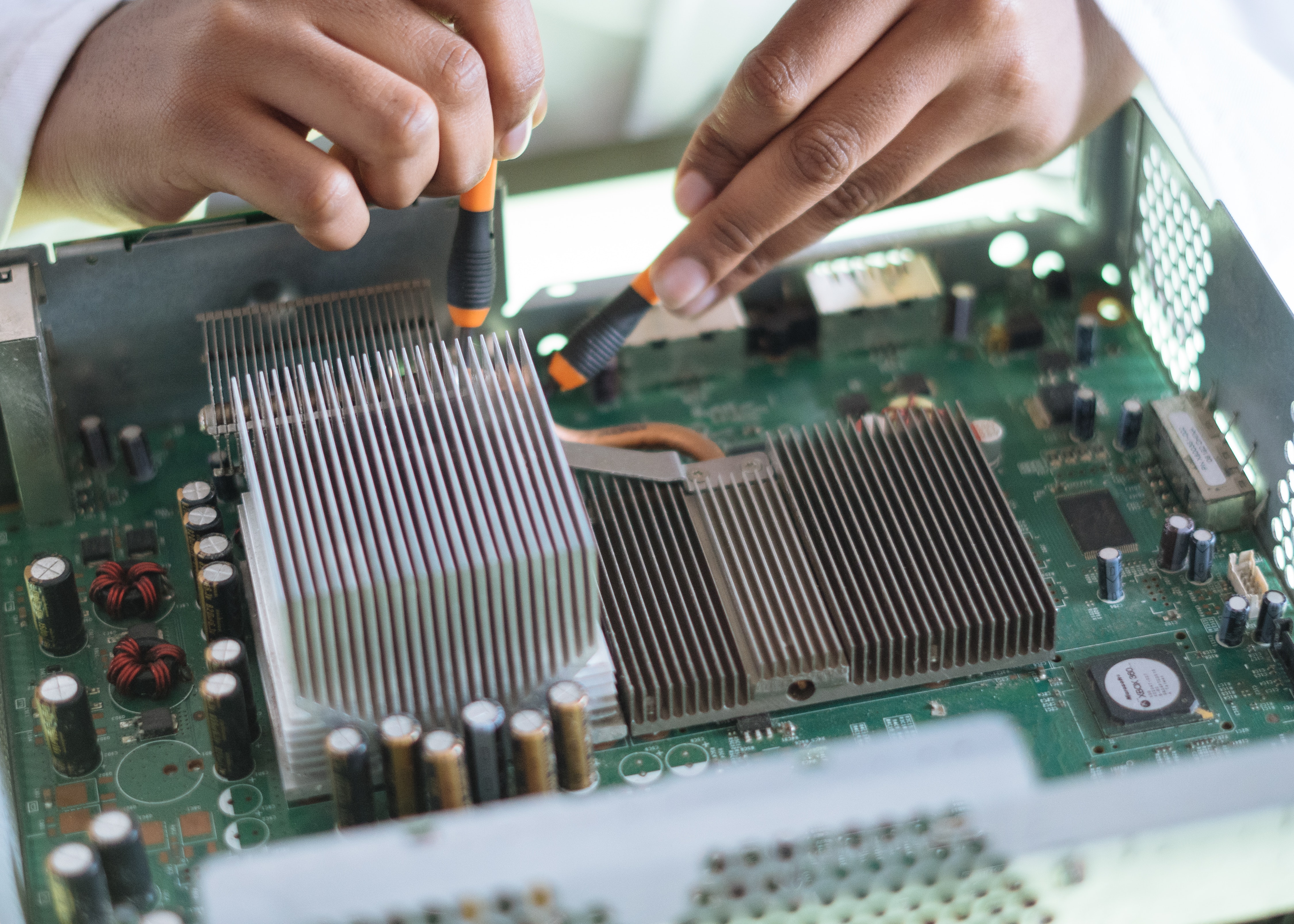
Taiwan Semiconductor (TSM) stock advanced 1.8% early Thursday after the premier chip foundry in the world posted a mixed Q4. Shares of the Warren-Buffet-backed stock are trading at $83.25 after Taiwan Semi posted earnings per share of $1.82, 5 cents ahead of Wall Street estimates, but revenue that missed consensus by nearly $1 billion.
Taiwan Semiconductor earnings: Capex to be curtailed in 2023
Taiwan Semiconductor, under CEO C.C. Wei, reported fourth quarter sales of $19.93 billion. Wall Street on average had estimated $20.92 billion in sales for the quarter, but this miss did not greatly affect the share price, which rose to $83.25 in Thursday's premarket.
The major reason that TSM stock did not negatively react to the quarter's revenue miss is that executives had already warned the market on Tuesday that sales had dropped below expectations. December revenue of $6.32 billion dropped 13.5% from November. This jives with earlier reporting that the broad semiconductor industry was seeing a slowdown in sales beginning in November. This slowdown is expected to continue through the first half of the year, according to Taiwan Semi's C-suite.
Despite the revenue miss, sales still rose a robust 26% YoY. This went hand in hand with EPS that surged 58% to paint a picture of an extremely healthy company even as executives worried over the next six months.
"We forecast the semiconductor cycle to bottom sometime in first half and see a recovery in second half 2023," CEO C.C. Wei said. The chief executive added that AI-enabled chips would spur the rebound in the second half of the year.
In order to deal with the constraints on sales in Q1, the company said it will cut capex from 2022's $36.3 billion to a new range between $32 and $36 billion in 2023. Management guided for Q1 revenue between $16.7 billion and $17.5 billion, which is a bit behind the $17.57 billion in sales derived from Q1 2022.
5-nanometer chips accounted for 32% of wafer revenue during the fourth quarter, and less advanced 7-nanometer chips made up 22% of the total. This means that more than half of Taiwan Semiconductor's revenue stemmed from the advanced chips where it holds a heavy lead among other producers like Samsung and Intel (INTC). Taiwan Semiconductor is a major supplier for both Nvidia (NVDA) and Apple (AAPL).
In late December the company announced that it had begun production of 3-nanometer chips and is considering building a new foundry in Germany. This news came as the ink was yet to dry on Taiwan Semiconductor's $40 billion foundry project in Arizona.
Taiwan Semiconductor stock forecast
TSM stock's premarket rally has pushed it above the resistance zone at and slightly above the $83 price level. This means that with the new range high achieved bulls will now focus on the next profit-taking levels at $91 and $96.29. These levels worked as resistance in mid-August and late May, respectively. The 9-day moving average has just crossed over the 21-day moving average, which is typically a harbinger of a rally. Expect this one to have legs, but watch out for the Relative Strength Index (RSI) entering overbought territory. Currently, the RSI already reads above 63 on the daily chart below. TSM should be able to find support back at recent resistance near $83 or where the two moving averages crossed over eachother just above $77.

TSM daily chart
Author

Clay Webster
FXStreet
Clay Webster grew up in the US outside Buffalo, New York and Lancaster, Pennsylvania. He began investing after college following the 2008 financial crisis.














