Powell speech: Will continue to make decisions meeting by meeting
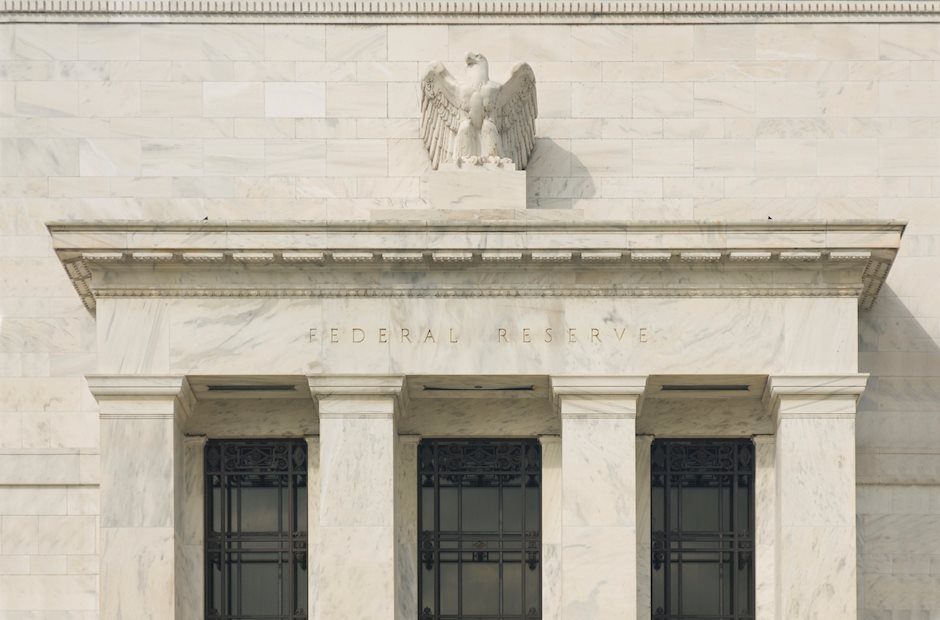

Federal Reserve Chairman Jerome Powell explains the decision to leave the policy rate, federal funds rate, unchanged at the range of 5.25%-5.5% and responds to questions in the post-meeting press conference.
Key quotes
"The Summary of Economic Projections are not a plan or any kind of decision."
"Assessment of policy will adjust."
"If the economy remains solid and inflation persists, will keep rates where they are for as long as needed."
"The opposite is also true in terms of rate cuts."
"Policy is well-positioned, will continue to make decisions meeting by meeting."
"We are practicing a slight element of conservatism on our inflation outlook."
"We don't have high confidence in forecasts."
"We welcome today's inflation reading, hope for more like that."
"We need more confidence on inflation moving back down to 2%."
"The test for cutting rates is more confidence that inflation is moving toward 2%."
"We have a fairly conservative forecast on inflation, if we get better readings, I think we will see forecasts come down."
"We all agree that we are data dependent."
"No one on the Committee has a strong commitment to a rate forecast."
"We have no commitment to a particular rate cut."
"Policymakers are not trying to send a strong signal with forecasts."
Dot Plot FAQs
The “Dot Plot” is the popular name of the interest-rate projections by the Federal Open Market Committee (FOMC) of the US Federal Reserve (Fed), which implements monetary policy. These are published in the Summary of Economic Projections, a report in which FOMC members also release their individual projections on economic growth, the unemployment rate and inflation for the current year and the next few ones. The document consists of a chart plotting interest-rate projections, with each FOMC member’s forecast represented by a dot. The Fed also adds a table summarizing the range of forecasts and the median for each indicator. This makes it easier for market participants to see how policymakers expect the US economy to perform in the near, medium and long term.
The US Federal Reserve publishes the “Dot Plot” once every other meeting, or in four of the eight yearly scheduled meetings. The Summary of Economic Projections report is published along with the monetary policy decision.
The “Dot Plot” gives a comprehensive insight into the expectations from Federal Reserve (Fed) policymakers. As projections reflect each official’s projection for interest rates at the end of each year, it is considered a key forward-looking indicator. By looking at the “Dot Plot” and comparing the data to current interest-rate levels, market participants can see where policymakers expect rates to head to and the overall direction of monetary policy. As projections are released quarterly, the “Dot Plot” is widely used as a guide to figure out the terminal rate and the possible timing of a policy pivot.
The most market-moving data in the “Dot Plot” is the projection of the federal funds rate. Any change compared with previous projections is likely to influence the US Dollar (USD) valuation. Generally, if the “Dot Plot” shows that policymakers expect higher interest rates in the near term, this tends to be bullish for USD. Likewise, if projections point to lower rates ahead, the USD is likely to weaken.
Author
Eren Sengezer
FXStreet
As an economist at heart, Eren Sengezer specializes in the assessment of the short-term and long-term impacts of macroeconomic data, central bank policies and political developments on financial assets.