|

Political risks creep back into the EUR – Barclays
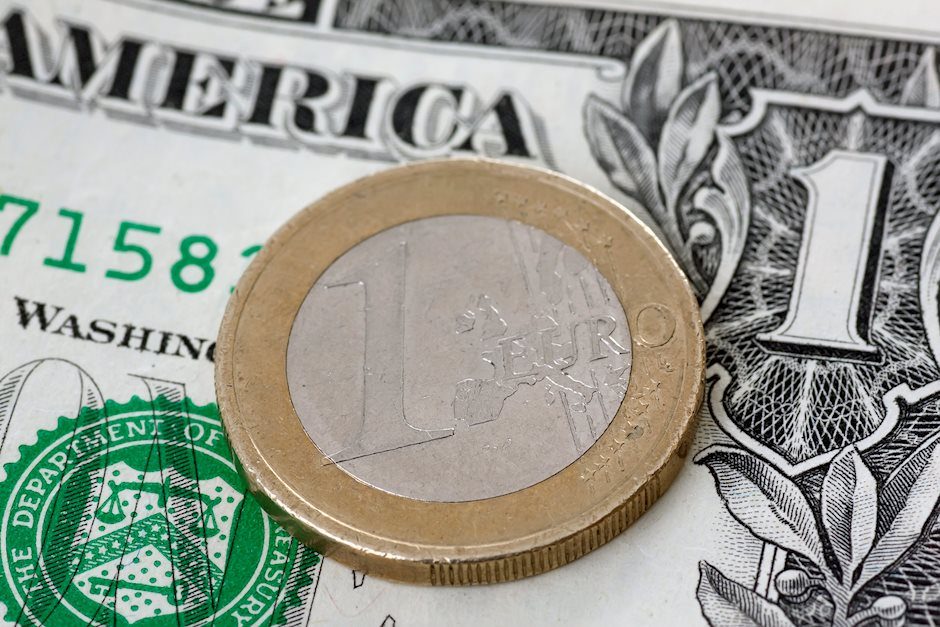
Barclays’ Analysts out with the latest review on the German election, evaluating its impact on the Euro.

Key Quotes:

“If confirmed, the surprising gains by alternative parties and poor performance of the centre establishment parties in Germany's election subtly reinserts politics into the debate over the EUR's value.

Most of the EUR's gains have come since the French election, with many pointing to the reduction in perceived political risks to the EU and EMU as important contributors to the common currency's ascent.

Yet, as we noted following the French election has gained steadily in all of this year's elections, despite the French two-stage electoral system keeping Front National out of government. Indeed, elections in Europe are going much as we predicted at the start of the year.  

However, in our view, most of the EUR's gains are due to the sharp improvement in the euro area economy in the last 18 months and the German election will do little to endanger that. Hence, we do not expect significant EUR downside to result from the election.

But, it likely will sap further EUR momentum that has stalled in the last two months. Longer-term asset allocators and reserve managers may pause in thinking that long-term political risks have disappeared from the euro area, while short-term and leveraged investors may take a more cautious approach in a currency with substantial negative carry if expectations for near term appreciation fade.

Looking ahead, results of the German election may cause more FX market focus on and angst over the Italian election in early 2018”

Author

Dhwani Mehta

Dhwani Mehta

FXStreet

Residing in Mumbai (India), Dhwani is a Senior Analyst and Manager of the Asian session at FXStreet. She has over 10 years of experience in analyzing and covering the global financial markets, with specialization in Forex and commodities markets.


More from Dhwani Mehta
Share:

Editor's Picks

EUR/USD retreats toward 1.1700 ahead of Trump speech at Davos

EUR/USD consolidates its weekly gains and edges lower toward 1.1700 in the European session on Wednesday. US President Donald Trump will deliver a speech at the World Economic Forum later in the day that could provide key insights into the EU-US relations moving forward.

GBP/USD declines to 1.3400 region after mixed UK inflation data

GBP/USD struggles to build on its weekly gains and declines to the 1.3400 region on Wednesday. The data from the UK showed on Wednesday that the annual CPI inflation rose to 3.4% in December from 3.2% in November. In this period, the core CPI increased by 3.2% as expected.

Gold stays within touching distance of new record-high near $4,900

Gold extended its impressive upsurge to a fresh all-time high near $4,900 earlier in the day before edging slightly lower. Markets remain risk-averse as investors eagerly await US President Donald Trump's speech at Davos while the EU-US tensions remain high over the Greenland issue.

When is the US President Trump’s speech at WEF in Davos and how could it affect EUR/USD

United States (US) President Donald Trump is scheduled to deliver his speech at the World Economic Forum (WEF) in Davos after 13:00 GMT. Trump’s trip to Davos was delayed as Air Force One was forced to turn around due to a "minor electrical issue".

Greenland tariffs: What happened, and how to position for the new Europe risk premium

Over the weekend, President Trump threatened a new round of tariffs on goods from Denmark, Norway, Sweden, France, Germany, the Netherlands, Finland and the UK, with reporting flagging 10% from February 1 and a possible step-up later.

BNB Price Forecast: BNB loses strength as crypto market drops

BNB (formerly Binance Coin) loses ground as the broader cryptocurrency market falls, recording a 1% drop at the time of writing on Wednesday. Retail interest in the exchange token is declining, as evidenced by the massive wipeout of long positions and a decline in futures Open Interest.