GBP/JPY maintains position around 196.00 after recovering losses
- GBP/JPY trims its daily losses after the interest rate decision by the BoJ.
- BoJ raised the short-term rate target by 15 basis points to the range of 0.15%-0.25%, from 0%-0.1%.
- The Pound Sterling could struggle due to a potential BoE rate cut on Thursday.
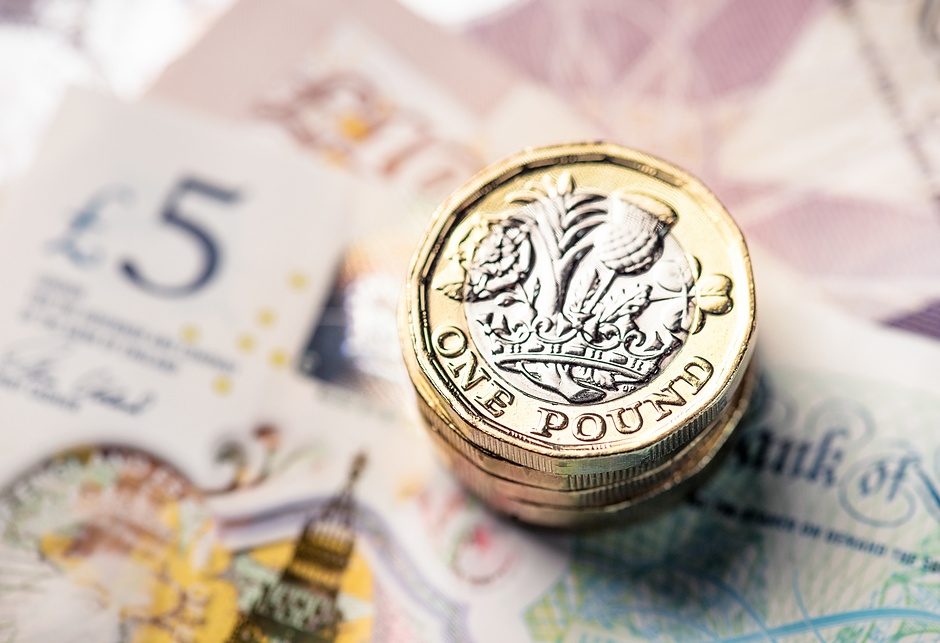

GBP/JPY pares its intraday losses after the release of the Bank of Japan’s (BoJ) interest rate decision on Wednesday. The GBP/JPY cross trades around 196.20 during the Asian hours, with the Japanese Yen (JPY) loses ground despite the BoJ board members deciding to raise the short-term rate target by 15 basis points (bps) from the range of 0%-0.1% to 0.15%-0.25%.
Additionally, the BoJ decided to taper Japanese government bonds (JGB) buying to ¥3 trillion ($19.07 billion) per month from ¥6 trillion as of the first quarter of 2026. BoJ Press Conference will be eyed to gain more impetus on the Japanese policy trajectory.
Japan’s Chief Cabinet Secretary Yoshimasa Hayashi stated on Tuesday that the Bank of Japan and the government will closely coordinate. Hayashi emphasized that the BoJ will work closely with the government to implement appropriate monetary policies aimed at achieving the inflation target.
On the GBP front, traders continue to price in a potential rate cut by the Bank of England (BoE) on Thursday, which puts downward pressure on the Pound Sterling (GBP) and limits the upside of the GBP/JPY cross. Reuters reported nearly 58% odds that the BoE will lower its borrowing costs by 25 basis points (bps) to 5.0%.
Additionally, the US Federal Reserve (Fed) is expected to keep rates unchanged in July, with the decision due on Wednesday. However, there is growing anticipation of a rate cut in September, which is putting pressure on the USD and providing support for other riskier currencies like the British Pound.
Interest rates FAQs
Interest rates are charged by financial institutions on loans to borrowers and are paid as interest to savers and depositors. They are influenced by base lending rates, which are set by central banks in response to changes in the economy. Central banks normally have a mandate to ensure price stability, which in most cases means targeting a core inflation rate of around 2%. If inflation falls below target the central bank may cut base lending rates, with a view to stimulating lending and boosting the economy. If inflation rises substantially above 2% it normally results in the central bank raising base lending rates in an attempt to lower inflation.
Higher interest rates generally help strengthen a country’s currency as they make it a more attractive place for global investors to park their money.
Higher interest rates overall weigh on the price of Gold because they increase the opportunity cost of holding Gold instead of investing in an interest-bearing asset or placing cash in the bank. If interest rates are high that usually pushes up the price of the US Dollar (USD), and since Gold is priced in Dollars, this has the effect of lowering the price of Gold.
The Fed funds rate is the overnight rate at which US banks lend to each other. It is the oft-quoted headline rate set by the Federal Reserve at its FOMC meetings. It is set as a range, for example 4.75%-5.00%, though the upper limit (in that case 5.00%) is the quoted figure. Market expectations for future Fed funds rate are tracked by the CME FedWatch tool, which shapes how many financial markets behave in anticipation of future Federal Reserve monetary policy decisions.
Author
Akhtar Faruqui
FXStreet
Akhtar Faruqui is a Forex Analyst based in New Delhi, India. With a keen eye for market trends and a passion for dissecting complex financial dynamics, he is dedicated to delivering accurate and insightful Forex news and analysis.