|

Fed's Logan: Must be prepared to keep raising interest rates for longer than anticipated

"We must remain prepared to continue rate increases for a longer period than previously anticipated, if such a path is necessary to respond to changes in the economic outlook or to offset any undesired easing in conditions," Dallas Federal Reserve President Lorie Logan said on Tuesday, as reported by Reuters.

Additional takeaways

"Even after pausing rate hikes, need to stay flexible, tighten further if conditions call for it."

"Need continued gradual rate hikes until see convincing evidence inflation falling to 2% in sustainable, timely way."

"Tightening policy too little is top risk."

"Tightening too much or too fast risks weakening labor market more than necessary."

"Should not lock in a peak Fed policy rate or precise rate path."

"Has been some progress on inflation, will need to see slower inflation in services."

"Little sign of improvement in core services ex housing inflation; symptomatic of tight labor market."

"Need better balance in labor market to bring inflation sustainably back to 2%."

"US job market is incredibly strong; likely to need substantially slower wage growth to reduce inflation."

Market reaction

The US Dollar Index showed no immediate reaction to these comments and was last seen trading flat on the day at around 103.30.

Author

Eren Sengezer

As an economist at heart, Eren Sengezer specializes in the assessment of the short-term and long-term impacts of macroeconomic data, central bank policies and political developments on financial assets.


More from Eren Sengezer
Share:

Editor's Picks

AUD/USD turns south toward 0.6900 as USD firms up

AUD/USD sees fresh selling and drops toward 0.6900 in late Asian trading on Monday, as renewed US Dollar strength weighs on the pair amid lingering Middle East and Russia-Ukraine geopolitical tensions. Focus remains on Oil prices, Treasury bond yields, and RBA expectations for fresh trading impetus in the major.

USD/JPY retakes 158.00 amid hawkish BoJ bets, firmer USD

USD/JPY erases losses and retakes 158.00 in the Asian session on Monday, trading within a one-week-old range. Geopolitical uncertainty continues to underpin the US Dollar, despite fading Fed rate hike hopes, supporting the pair's rebound. However, further upside could be capped by hawkish BoJ expectations and looming intervention risks that could support the Japanese Yen.

Gold bulls remain on the sidelines as USD rallies to fresh YTD peak

Gold struggles to capitalize on a modest Asian session uptick, and currently trades just below $4,150, nearly unchanged for the day amid mixed cues. As investors look past Friday's disappointing US jobs data, the US Dollar regains strong positive traction and rallies to a fresh high since April 2025. This is seen as a key factor capping the commodity, though receding bets for an October rate hike by the Federal Reserve help limit the downside.

Dogecoin: ETF inflows and technicals fuel recovery
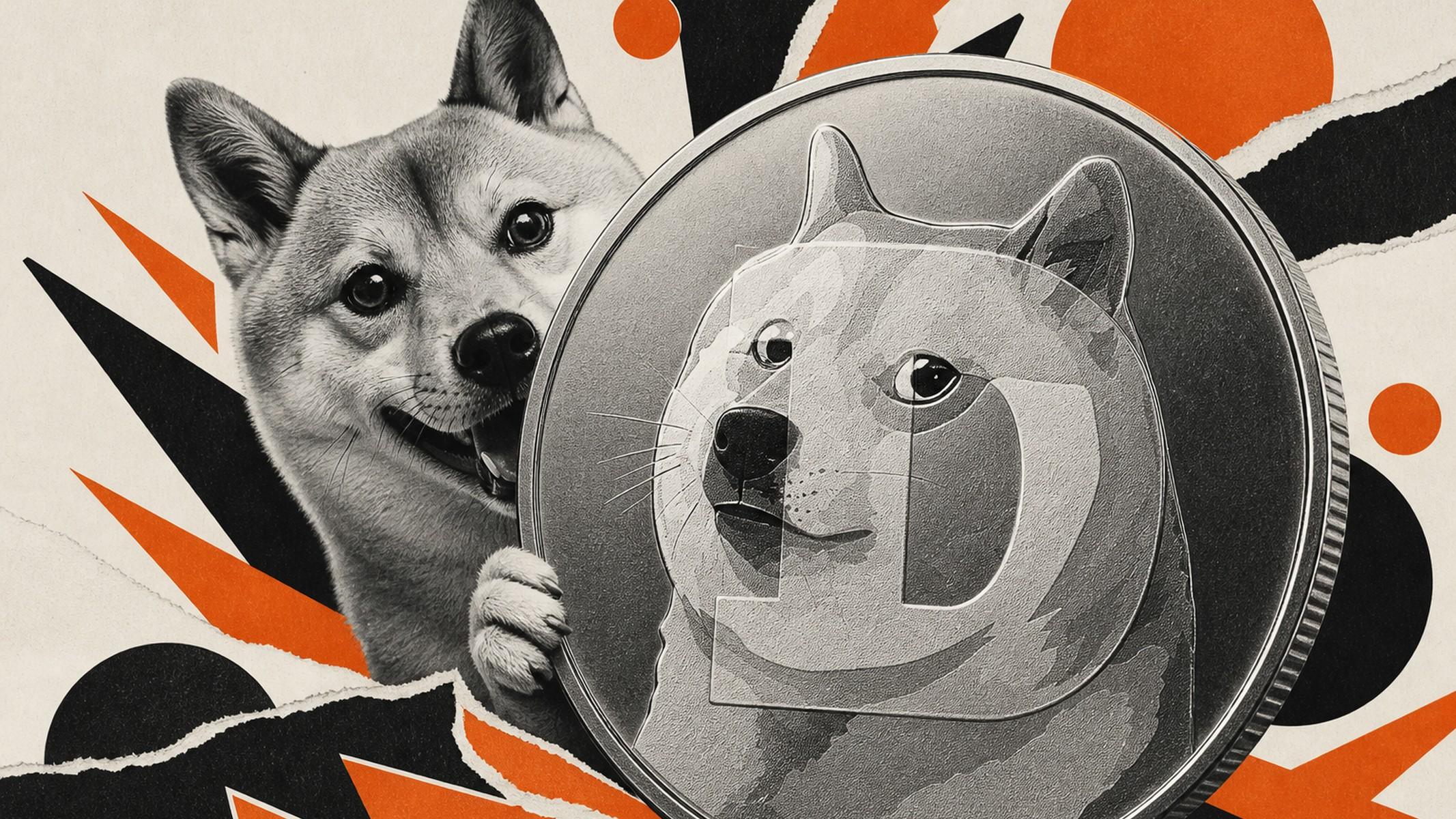
Dogecoin (DOGE) extends its gains, trading above $0.096 on Monday after finding support around the key support zone last week. Continued inflows into spot DOGE Exchange Traded Funds (ETFs), alongside strengthening derivatives metrics, indicate improving market sentiment. Meanwhile, the constructive technical outlook suggests the meme coin could extend its gains if the key level holds.
Economics week ahead
In the U.S., the September ISM Services index is expected to ease modestly while continuing to signal expansion, with particular attention on whether price pressures remain elevated. In Canada, the labor market likely rebounded in September, although broader trends still point to a cooling pace of employment growth.
The Euro is near a one-year low: Inflation could trigger its rebound, not its fall

EUR/USD has fallen to its lowest level since May 2025. The pair hit 1.1312 on Wednesday and trades well below the January peak of 1.2082. The decline reflects a powerful combination of US Dollar strength, geopolitical uncertainty and renewed concerns about Europe's exposure to higher energy prices.