EUR/JPY continues drifting higher on wide interest-rate differential, lack of intervention
- EUR/JPY extends its uptrend as the Euro outperforms the Japanese Yen due to the higher interest rates in the Eurozone.
- After suspected direct intervention by the Japanese authorities to strengthen the Yen in early May there have been no follow ups.
- Weak data from Japan has lowered expectations the BoJ will be in a position to continue raising interest rates, further weakening JPY.
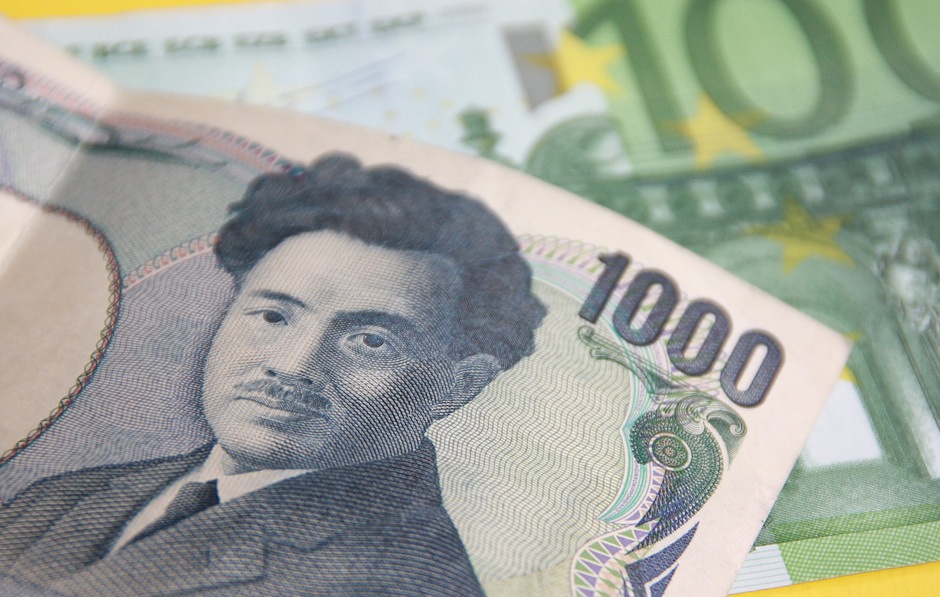

EUR/JPY extends its uptrend on Monday, clocking up gains of over two-tenths of a percent to reach 169.50s, as the wide interest-rate differential between the Eurozone and Japan continues to favor the Euro (EUR) over the Japanese Yen (JPY) – relatively higher interest rates attract greater foreign capital inflows.
Additionally, in the absence of recent direct intervention in currency markets by the Japanese authorities to strengthen the JPY, the pair has been allowed to creep higher. The last time a suspected intervention took place was in late April and early May when EUR/JPY experienced sharp declines for no apparent reason leading to unconfirmed speculations of intervention.
The Bank of Japan’s (BoJ) decision to not repeat a reduction in its bond buying operations on May 17 despite doing so on May 13 further led the JPY to weaken. Reductions to bond buying are seen as a form of policy tightening – like raising interest rates – thus the decision not to go ahead was seen as a slight shift to an easier stance.
A string of weak data releases in Japan, including a surprise 2.0% annualized drop in Q1 GDP, Tokyo CPI coming out lower than expected, and weak wage growth data in Q1 further suggest the BoJ will probably delay its next interest rate hike, after a one-off raise in March, giving EUR/JPY a back wind.
The Euro, meanwhile, is strengthening as positive data for the region suggests the European Central Bank (ECB) will not need to cut interest rates as quickly as previously thought, in order to stimulate economic growth. Q1 GDP data showed a 0.3% rise after two quarters of contraction and the strongest quarter of growth since Q3 of 2022. The Euro was also supported by relatively strong Eurozone PMI data for April.
The ECB is widely expected to cut interest rates in June but recent comments from ECB board member Isabel Schnabel suggested the governing council might not follow up the cut in June with a cut in July. On Monday ECB policymaker Martin Kazaks gave the go ahead for rate cuts, saying inflation was gradually falling to the ECB’s 2.0% target, however, he added “the process (of cutting interest rates) needs to be gradual and we must not rush it.”
Author
Joaquin Monfort
FXStreet
Joaquin Monfort is a financial writer and analyst with over 10 years experience writing about financial markets and alt data. He holds a degree in Anthropology from London University and a Diploma in Technical analysis.