EUR/GBP hovers around 0.8400, remains under pressure after PMI data releases
- EUR/GBP loses ground after PMI data releases from both economies.
- The Eurozone Composite PMI eased to 50.1 in July, reaching a five-month low.
- S&P Global Composite PMI rose to 52.7 in July from the previous reading of 52.3.
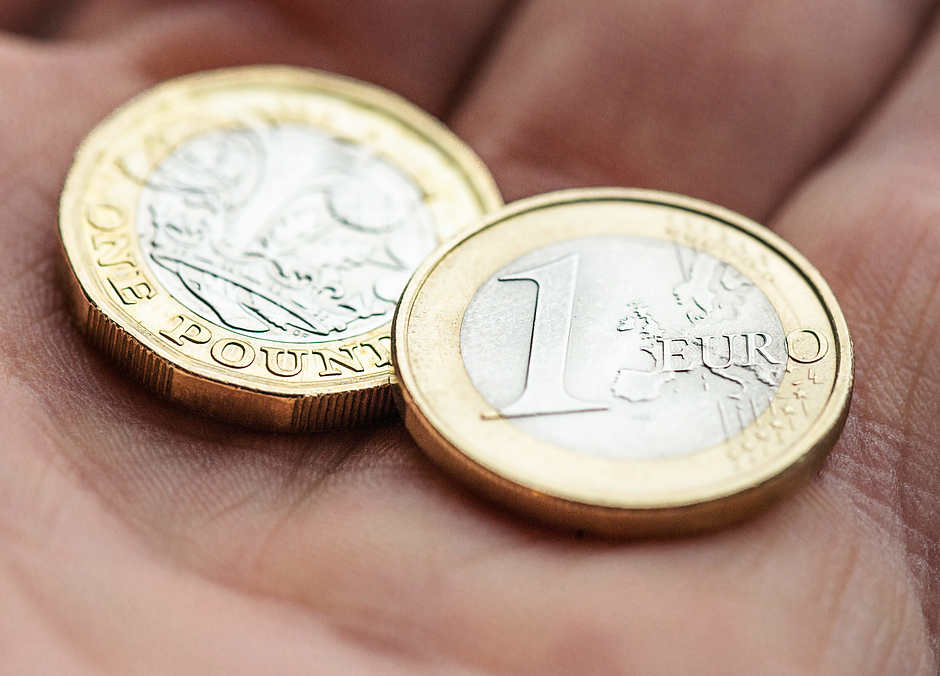

EUR/GBP extends its losses for the third successive day, trading around 0.8400 during the European hours on Wednesday. The EUR/GBP cross faces renewed selling pressure following the release of disappointing HCOB Purchasing Managers Index (PMI) data from the Eurozone and Germany.
Wednesday's data indicated a further contraction in the Eurozone's manufacturing sector, with a decline in services sector activity for July. The Eurozone Manufacturing PMI fell to 45.6 in July from 45.8 in June, missing the market consensus of 46.1 and marking a seven-month low.
The bloc’s Services PMI declined from 52.8 in June to 51.9 in July, falling short of the expectations of 53.0 and hit a four-month low. The HCOB Eurozone Composite PMI eased to 50.1 in July vs. 51.1 expected and June’s 50.9 figure. The index reached a five-month low.
The German manufacturing sector's contraction unexpectedly worsened, with the PMI dropping to 42.6 in July from 43.5 in June, significantly below the forecast of 44.0. This marks the lowest level in three months. Similarly, the services sector underperformed, with the Services PMI falling to 52.0 in July from 53.1 in June, missing market expectations of 53.1 and hitting a four-month low.
In the United Kingdom (UK), the S&P Global Composite PMI rose to 52.7 in July from the previous reading of 52.3. The Manufacturing PMI increased to 51.8 from the prior 50.9, indicating improved performance in the manufacturing sector. However, the Services PMI declined slightly to 52.4, missing the expected reading of 52.5 for July.
The reduced likelihood of an August rate cut by the Bank of England (BoE) is expected to support the British Pound (GBP) and weaken the EUR/GBP cross. Traders are awaiting the UK PMI activity survey results, which will be released during Wednesday’s London market session.
Economic Indicator
HCOB Composite PMI
The Composite Purchasing Managers’ Index (PMI), released on a monthly basis by S&P Global and Hamburg Commercial Bank (HCOB), is a leading indicator gauging private-business activity in the Eurozone for both the manufacturing and services sectors. The data is derived from surveys to senior executives. Each response is weighted according to the size of the company and its contribution to total manufacturing or services output accounted for by the sub-sector to which that company belongs. Survey responses reflect the change, if any, in the current month compared to the previous month and can anticipate changing trends in official data series such as Gross Domestic Product (GDP), industrial production, employment and inflation. The index varies between 0 and 100, with levels of 50.0 signaling no change over the previous month. A reading above 50 indicates that the private economy is generally expanding, a bullish sign for the Euro (EUR). Meanwhile, a reading below 50 signals that activity is generally declining, which is seen as bearish for EUR.
Read more.Last release: Wed Jul 24, 2024 08:00 (Prel)
Frequency: Monthly
Actual: 50.1
Consensus: 51.1
Previous: 50.9
Source: S&P Global
Author
Akhtar Faruqui
FXStreet
Akhtar Faruqui is a Forex Analyst based in New Delhi, India. With a keen eye for market trends and a passion for dissecting complex financial dynamics, he is dedicated to delivering accurate and insightful Forex news and analysis.