|

BoE must raise rates to 2.5% next year to curb inflation, says think-tank – FT
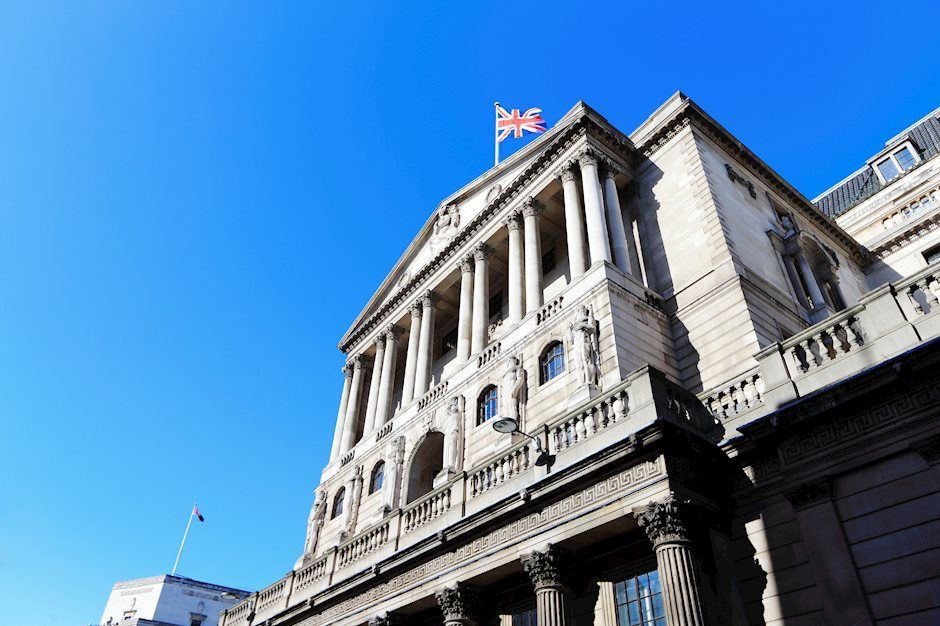
Early Wednesday morning in Asia, the UK’s think tank National Institute of Economic and Social Research (NIESR) crossed wires via the Financial Times (FT) by saying, “The Bank of England will need to raise interest rates to 2.5% and keep them there until the middle of the decade in order to bring soaring inflation under control.”

The news also quotes NIESR Deputy Director Stephen Millard saying that the BoE could be overestimating how far demand headwinds will curb inflation.

Additional quotes

We expect inflation to come down fairly quickly, and so do the bank, but on higher interest rates than are in the BoE forecasts.

Despite the projection that higher rates would be necessary to contain inflation, NIESR said the central bank would have to navigate carefully the ‘treacherous waters’ caused by a tension between ‘allowing inflation expectations to anchor and . . . plunging the economy into a deep recession’.

Since we closed the forecast we had results which indicate that consumer confidence has plummeted quite a bit. This might be associated with a rise in ‘precautionary saving’ which could mean that ‘consumption isn’t going to be as strong as we predict’.

While we expect consumption to grow overall due to households using their pandemic savings, aggregates can hide what’s happening at the disaggregate level.

GBP/USD remains pressured

GBP/USD stays directed towards the yearly low surrounding 1.2260 following the news, on the back foot around 1.2315 by the press time.

Read: GBP/USD steadies around 1.2300 as investors await US CPI, Brexit NIP jitters

Author

Anil Panchal

Anil Panchal

FXStreet

Anil Panchal has nearly 15 years of experience in tracking financial markets. With a keen interest in macroeconomics, Anil aptly tracks global news/updates and stays well-informed about the global financial moves and their implications.


More from Anil Panchal
Share:

Editor's Picks

EUR/USD weakens below 1.1700 as Middle East tensions drive US Dollar strength

The EUR/USD pair trades with mild losses around 1.1685, the lowest since late January, during the early Asian session on Tuesday. The US Dollar gathers strength against the Euro as escalating tensions in the Middle East boost safe-haven currencies. The preliminary reading of the Harmonized Index of Consumer Prices from the Eurozone will be published later on Tuesday.  

GBP/USD hits new yearly lows near 1.3300

GBP/USD adds to the recent bearish tone, approaching to the key 1.3300 support to reach fresh YTD troughs against the backdrop of the robust performance of the US Dollar. Indeed, Cable’s decline comes amid the firm demand for the safe-haven space in the wake of the US and Israel attacks to Iran.

Gold clings to gains as US-Iran conflict continues to underpin safe-haven assets

Gold retains positive bias for the fifth consecutive day on Tuesday as rising geopolitical tensions in the Middle East continue to underpin safe-haven assets. However, a bullish US Dollar could keep the bullion below its highest level since late January, set on Monday, warranting caution before positioning for any further appreciation.

Strategy lifts holdings to 3.4% of Bitcoin's total supply amid inflows into crypto products

Strategy continued its accumulation of the top crypto last week, acquiring 3,015 BTC for $204 million amid renewed interest in crypto products after four weeks of outflows.

The Fed is finally talking about AI – Here's why it matters for the US Dollar

AI is moving from earnings calls into the heart of monetary policy discussions, forcing Federal Reserve officials to confront a new question: How to act if AI reshapes inflation, employment and interest rates at the same time?

Grass 20% bullish breakout defies broader market weakness

Grass (GRASS) is edging up above $0.30 at the time of writing on Monday. The token’s notable 20% intraday surge stands out amid heightened volatility in the broader crypto market.