AUD/USD ignores China trade data, remains above 50-day EMA
- AUD/USD shrugs off weaker than expected China trade data.
- Soft USD and upbeat trade sentiments favor the Aussie.
- Light economic calendar shifts market focus to trade/political headlines.
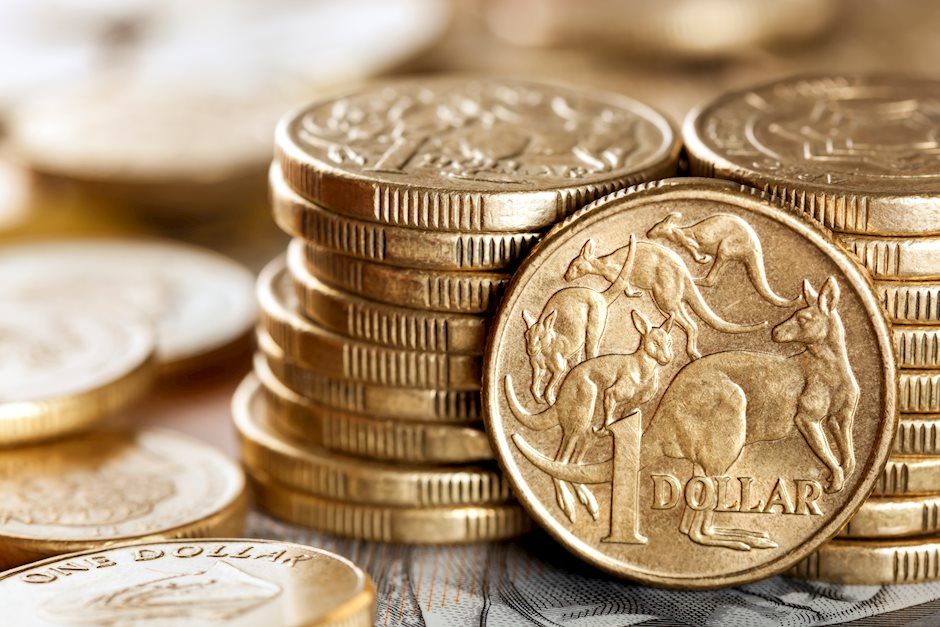

AUD/USD shows little reaction to weaker-than-expected China trade surplus, highlighting the US-China trade war impact, as it takes the bids to 0.6850 during the initial Asian session on Monday.
The Aussie pair recovered heavily during the last week as the Reserve Bank of Australia’s (RBA) no rate change for now and a 44-year high Current Account joined hands with trade positive headlines from the US and China.
In addition to the already confirmed October meeting between the US and Chinese diplomats, the House economic advisor Larry Kudlow recently conveyed that a group of China’s deputy ministers will visit the US later this month.
It should also be noted that the US Dollar (USD) weakness on the back of downbeat Nonfarm Payrolls (NFP) acts as an additional force behind the Aussie’s run-up.
China released its August month trade data during the weekend and marked the impact of the US-China trade war as its exports to the US fell 16% YoY following a 6.5% drop in July while imports from the US slumped 20% on a yearly basis.
Given the mostly silent economic calendar, except July month Australian Home Loans, investors are more likely to keep eyes on trade/political headlines for fresh direction.
Technical Analysis
The 0.6840/30 area comprising 50-day exponential moving average (EMA) and June month low acts as near-term key support-zone, a break of which opens the door for the pair’s fresh declines to 21-day EMA level of 0.6800. Meanwhile, 100-day EMA and July 10 low can restrict the pair’s upside around 0.6905/10.
Author
Anil Panchal
FXStreet
Anil Panchal has nearly 15 years of experience in tracking financial markets. With a keen interest in macroeconomics, Anil aptly tracks global news/updates and stays well-informed about the global financial moves and their implications.