FTMO, top step, and Accelerated Prop Group: The next generation of prop trading

The path to financial freedom is paved with challenges, and for traders and investors, choosing the right proprietary trading firm can make all the difference. The focus falls on three notable names in the industry: Top Step, FTMO, and the up-and-coming Accelerated Prop Group (APG). Each offers a unique approach to helping you unlock the door to the next generation of prop trading.
But What are the Benefits of Prop Trading?
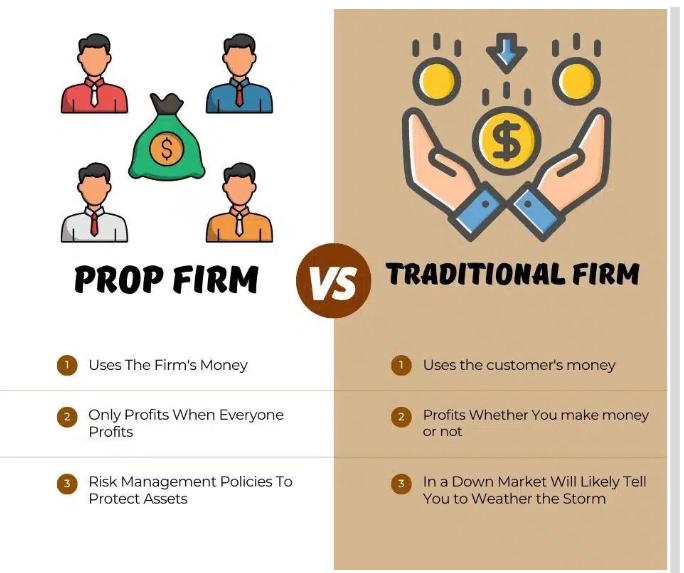
Prop firms are not only more collaborative but also offer better risk management than traditional firms. As well as this, prop traders have access to larger amounts with which to trade.
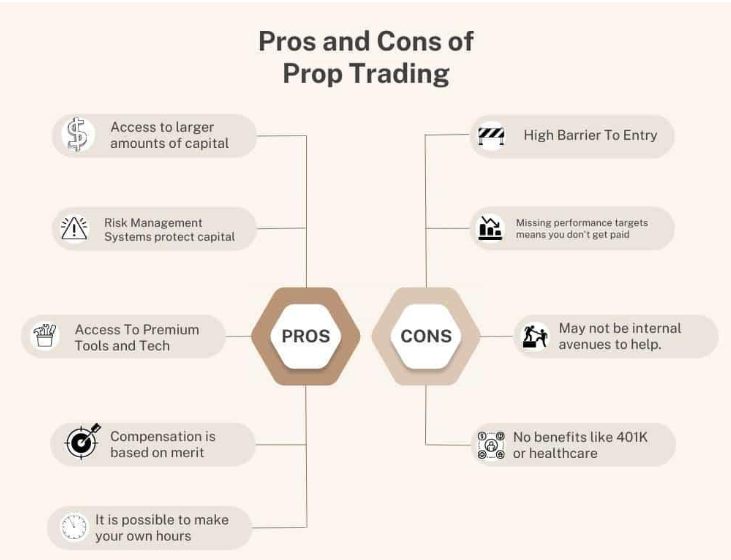
APG’s low barrier to entry and 24/7 internal support network are helping to make prop trading a safer and more profitable place. Read on to find out more!
APG: The Next Generation Prop Trading Firm
APG is the new kid on the block, but it's quickly turning heads with its innovative features and market-leading methods. They've crafted a two-step Evaluation Process that sets them apart from the competition. Most prop firms impose a 30-day time limit to pass evaluations, but not APG. This flexibility is a breath of fresh air for traders. With APG, the old saying ‘time is money’ takes on a new meaning.

Additionally, APG offers little to no spreads, ensuring minimal interference in your trades. In what is a huge feature, APG provides quicker access to your profits by offering bi-weekly payments. No more waiting 30 days for your money!
The leverage is another winning point; APG offers 1:100 leverage, higher than the 1:60 typically offered by other firms. Plus, their pricing is more affordable, giving you better value for your money.
Finally, APG University offers comprehensive training and courses for those who are new to the prop trading world. Tailored mentorships offer tips on trading psychology and risk management to name a few…
Explore APG’s Proprietary Trading Courses and Take the First Step towards Success here.
Top Step: The Path to a Better Lifestyle
Top Step's vision and mission focus on transforming traders into better traders with healthier habits. They've funded thousands of traders globally, paying out millions in withdrawals. Their accolades, including being on the Inc. 5000 list and recognized by Crain's as one of the best places to work in Chicago, speak to their success.
Top Step's approach involves the Trading Combine, an experiential learning and evaluation program for futures traders. However, it's essential to note that their Maximum Loss Limit (MLL) calculation differs from APG.
While other prop firms often calculate MLL based on unrealized profits intraday (high water mark), Top Step calculates it based on your end-of-day balance, offering more trading room. The Trading Combine encourages discipline and skills growth in simulated markets.

FTMO: Learning by Doing
FTMO is another established name in the prop trading world. Their 2-step Evaluation Process involves the FTMO Challenge and Verification stages, which traders must pass to access an FTMO Account. Once qualified, traders can earn up to 90% of their profits, a tempting proposition, and one that is matched by APG but not Top Step.
The Path to Financial Freedom
As traders look to the next generation of proprietary trading, they are presented with various choices. APG stands out with its flexible evaluation process, more frequent payouts, and enhanced leverage and pricing, making it perhaps the most enticing option for those wishing to get into proprietary trading.
Top Step focuses on nurturing improved trading practices, emphasizing healthy habits. Meanwhile, FTMO offers a comprehensive 2-step evaluation process, coupled with significant profit-sharing potential.
Each of these three firms boasts unique strengths tailored to different trader preferences and objectives. It's essential to consider one's individual trading style, goals, and priorities when selecting the most suitable prop trading firm. Ultimately, the road to financial freedom is a personal voyage, and these firms could be the key that unlocks the door.
For more information: Visit APG's website
This article is sponsored content
Author

Cavell Poleon Team
Cavell Poleon