CFTC commissioner: Crypto exchanges shouldn't 'self-certify' tokens
/business-man-hands-signing-on-document-at-his-desk-16721898_XtraLarge.jpg)

Commissioner Christy Goldsmith Romero wants crypto exchanges blocked from self-certifying crypto and crypto products before going live on their platforms.
A commissioner from the Commodity Futures Trading Commission (CFTC) has called on Congress to stop allowing cryptocurrency exchanges to “self-certify” and list tokens without oversight.
CFTC commissioner Christy Goldsmith Romero told an audience at a Jan. 18 University of Pennsylvania event focused on FTX that the current process wasn't adequate to ensure proper oversight, saying:
I urge Congress to avoid permitting newly-regulated crypto exchanges to self-certify products for listing, under the current process that limits CFTC oversight.
"It is critical to institute guardrails against regulatory arbitrage, and that includes prohibiting the use of the self-certification process," she added.
Currently, crypto exchanges can “self-certify” their product's safety before listing unless the CFTC blocks the listing within 24 hours.
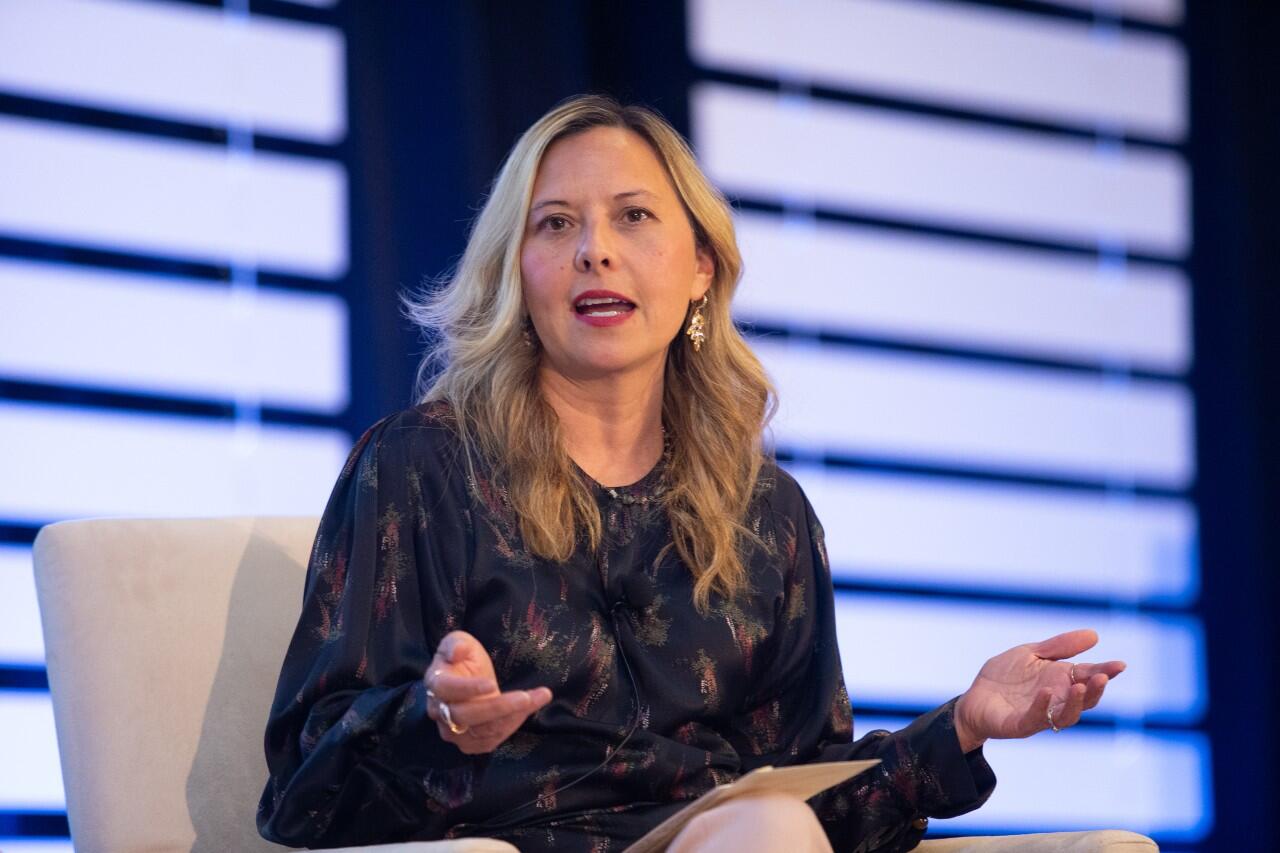
CFTC Commissioner Christy Goldsmith Romero Source: Twitter
She said this process used to list products such as crypto futures isn’t adequate for that type of asset.
Goldsmith Romero added crypto businesses looking to issue tokens could use the CFTC’s crypto regulatory framework to circumvent registration with the Securities and Exchange Commission (SEC).
Proposals to give the CFTC an increased role in oversight of the crypto industry were introduced to Congress in 2022.
Crypto ‘gatekeepers’ need to ‘step up’
During her speech, the commissioner also called on lawyers, compliance professionals, celebrities, venture capital firms and pension fund investors to conduct better due diligence on crypto firms.
Gatekeepers themselves also need to step up, and call for compliance, controls, and other governance, without allowing the promise of riches and the company’s marketing pitch to silence their objections to obvious deficiencies.
Remarking on FTX, which declared bankruptcy in November 2022 after mishandling and misplacing customer funds, Goldsmith Romero said these entities “should have seriously questioned the operational environment at FTX in the lead-up to its meltdown.”
“If the digital asset industry wants to regain any amount of public trust, it has some work to do,” she added.
Some crypto industry observers have continued to argue that the circumstances behind FTX's collapse should not be pegged to the digital asset space or a lack of regulation.
SEBA Hong Kong's managing director Ludovic Shum told Cointelegraph during an interview this week that the fall of FTX could have easily happened in any other industry.
"At the end of the day, it goes back to the trust regarding the checks and balances [...] It was just unfortunate that it happened in this fast-growing area of the crypto world where it could have easily happened to banks, securities, houses, asset managers," said Shum.
Meanwhile, Lachlan Feeney, Founder and CEO of blockchain development agency Labrys said the industry needs more oversight, not necessarily regulation to prevent another disaster.
The FTX scandal didn’t happen because of a lack of regulation. FTX operated [allegedly] illegally; disregarding the existing regulations rather than capitalizing on an absence of regulation.
"There should probably be more oversight to stop unscrupulous players and activity before situations escalate, but we don’t need masses of new regulation and red tape that deters innovation. We need clarity on the existing regulations," he said in a statement to Cointelegraph.
Author
Cointelegraph Team
Cointelegraph
We are privileged enough to work with the best and brightest in Bitcoin.