Bitcoin Price Analysis: The Irony of BTC/USD plummeting to $3,200 amid the halving
- Bitcoin retreated to $6,575 from $7,500 just weeks before the halving punching holes in a pre-halving rally.
- Bitcoin price is its first cycle degree bear market according to Ross Ulbricht, founder of Silk Road.

Bitcoin price is balancing above $6,800 (immediate support). At the same time, buyers are fighting to break loose from the hurdles the sellers have put at $6,900 (immediate resistance). BTC/USD is trading at $6,890 following a subtle 0.43% growth on the day. Intriguingly, the prevailing trend is bullish while the volatility keeps expanding.
Bitcoin price possible drop to $3,200
According to Ross Ulbricht, the founder of Silk Road believes that Bitcoin volatility associated with the crash on March 20 is likely to keep Bitcoin bearish until sometime in June or July. He adds that Bitcoin went through a ‘cycle-degree bull market” during the run-up to $20,000 in 2017. At the moment, the wave has turned to “Bitcoin’s first cycle degree bear market” and the “largest yet.” Writing on his personal Medium, Ulbricht says that:
A break below the major low of $3,200 will be a solid confirmation of this, at which point we will be trying to determine when the final low is in. This will be a major buying opportunity. If the price rises above the peak near $14,000, we will have to reevaluate our interpretation, but at this point that seems like a very unlikely scenario.
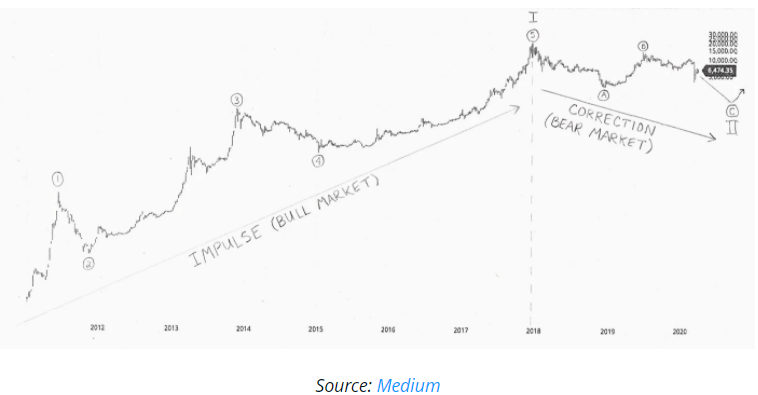
Bitcoin May halving
Bitcoin is heading into its third halving event which scheduled to take place in May. The two past halvings have seen Bitcoin rally to new all-time highs. However, this upcoming halving is unlikely to result in a price rally, at least not in the same measure as it was experienced in 2017. Just weeks before the event, Bitcoin retreated from highs above $7,500 to levels around $6,575. On the contrary, this supposed to be the time for a pre-halving rally as investors take position in anticipation of a post halving rally.
On the other hand, the COVID-19 pandemic could be a significant factor as to why Bitcoin may not rally. Instead, as Ulbricht says, there is a possibility of a bearish cloud sticking around until June or July with a possible plunge to $3,200.
Author

John Isige
FXStreet
John Isige is a seasoned cryptocurrency journalist and markets analyst committed to delivering high-quality, actionable insights tailored to traders, investors, and crypto enthusiasts. He enjoys deep dives into emerging Web3 tren