Bitcoin core developer calls Ordinals a “vulnerability” for the BTC blockchain
- Bitcoin core developer Luke Dashjr argues that Ordinals are a vulnerability that is driving up transaction costs and needs to be removed.
- Fixing the vulnerability would remove Ordinals from the BTC blockchain, eliminating spam from inscriptions.
- BTC price rallied nearly 11% in the past week, driving Bitcoin to $44,700 on Friday.
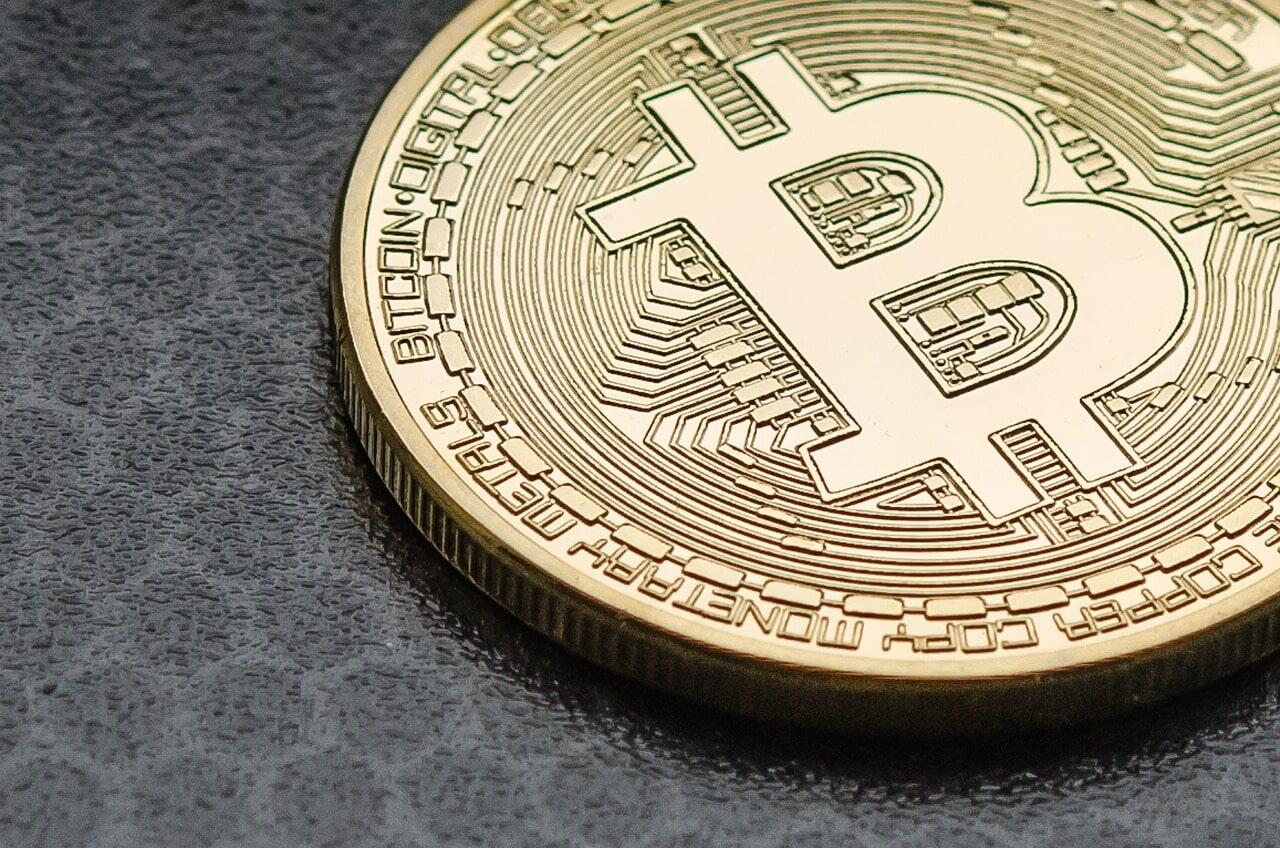
Bitcoin community on the internet is embroiled in a debate on whether Ordinals are a vulnerability to the BTC blockchain. While Bitcoin core developers like Luke Dashjr consider inscriptions as spam, they are being considered an evolution of the BTC blockchain by others, on the social media platform X.
Also read: Solana continues to see inflows from the Ethereum chain, SOL price sustains above $72
Ordinals are now identified as a vulnerability
Luke Dashjr told his 83,300 followers in a recent tweet on X that inscriptions are exploiting a vulnerability in Bitcoin Core to spam the blockchain. Since 2013, Bitcoin Core allows users to set a limit on the size of extra data in transactions that they relay. Inscriptions bypass this limit and this makes them a “vulnerability.”
Dashjr says that Bitcoin Core is still vulnerable in the upcoming v26 release and the developer hopes to finally fix the issue before v27 next year.
PSA: “Inscriptions” are exploiting a vulnerability in #Bitcoin Core to spam the blockchain. Bitcoin Core has, since 2013, allowed users to set a limit on the size of extra data in transactions they relay or mine (`-datacarriersize`). By obfuscating their data as program code,…
— Luke Dashjr (@LukeDashjr) December 6, 2023
The developer argues that miners are expected to be honest and not malicious, however allowing inscriptions on the Bitcoin blockchain racks up the transaction fees. While it is beneficial to miners, it is an attack on the BTC blockchain network.
Inscriptions are considered a technical vulnerability that could influence Bitcoin users in the long term as a result of its impact on the network’s security and integrity.
At the time of writing, Bitcoin price is $43,694 on Binance. The asset yielded nearly 11% gains for BTC holders on Binance, in the past week.
Author

Ekta Mourya
FXStreet
Ekta Mourya has extensive experience in fundamental and on-chain analysis, particularly focused on impact of macroeconomics and central bank policies on cryptocurrencies.