The real cost of inflation
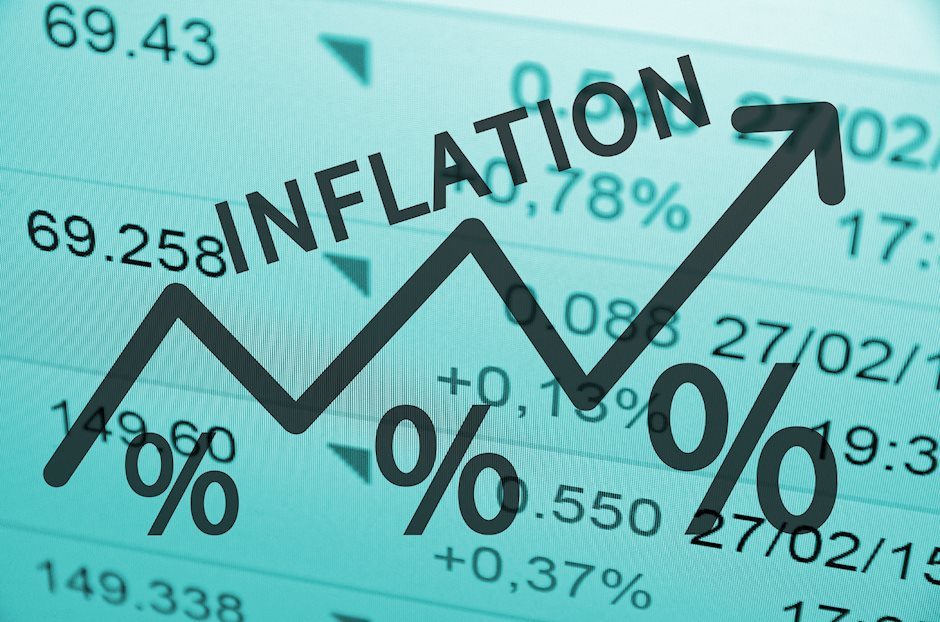

Inflation has been part of America’s history since the very early years of the country. It has been brought on by supply chain breakdowns, demand of goods, production cost fluctuations, the list goes on and on. Throughout the history of the country there have been many inflation fluctuations and recessions, but in the past year we have experienced the largest inflation rise in the past 30 years.
Keeping inflation at 2% or less each year
The Federal Reserve aims to keep inflation at 2% or less each year, but in 2021 there was an inflation rate of nearly 7%. This puts America at the eighth-highest inflation rate in the world. The US has tried different strategies to control runaway inflation, but these strategies can sometimes lead to unintended consequences. Strategies like reducing the amount of money in circulation, decreasing bond prices, and increasing interest rates in the central bank can lead to problems in the economy.
The strategies for reducing inflation can lead to recessions. This often leads to job loss which begins the cycle of inflation all over again. With less jobs there are less workers to produce goods which raises the cost of production as well as limits the amount being produced to keep up with supply demands. Even with the strategies that are put into reducing inflation, it is an inevitable occurrence in the economy.
So what can be expected from ongoing inflation rates? There are some positive aspects of inflation such as lower unemployment rates and higher wages. In 2021, unemployment dropped to 4.2% and the hourly wages rose by 5%. There are also negative aspects to inflation. Interest rates are expected to rise 3% in the next few years, and savings rates are expected to decrease. The Cost of Living will also increase and so social security is going to rise nearly 6% in order to combat that.
So how can you protect yourself from the effects of inflation? First, consider continuing your education. 30 million Americans could be earning 70% more if they continue their education in undergrad or postgrad degrees. Investing money in stocks and commodities could also help, as investing can provide a solid ROI. Even just increasing the amount of money going into your personal retirement could help prepare for rising costs of goods and services after your working years.
Inflation is inevitable, unfortunately. With rates continuing to rise, it is most important to make sure that your own personal finances are protected.
Author
Jacob Wolinsky
ValueWalk
Jacob Wolinsky is the founder of ValueWalk, a popular investment site. Prior to founding ValueWalk, Jacob worked as an equity analyst for value research firm and as a freelance writer. He lives in Passaic New Jersey with his wife and four children.